Supreme Court Rejects Major Second Amendment Appeal
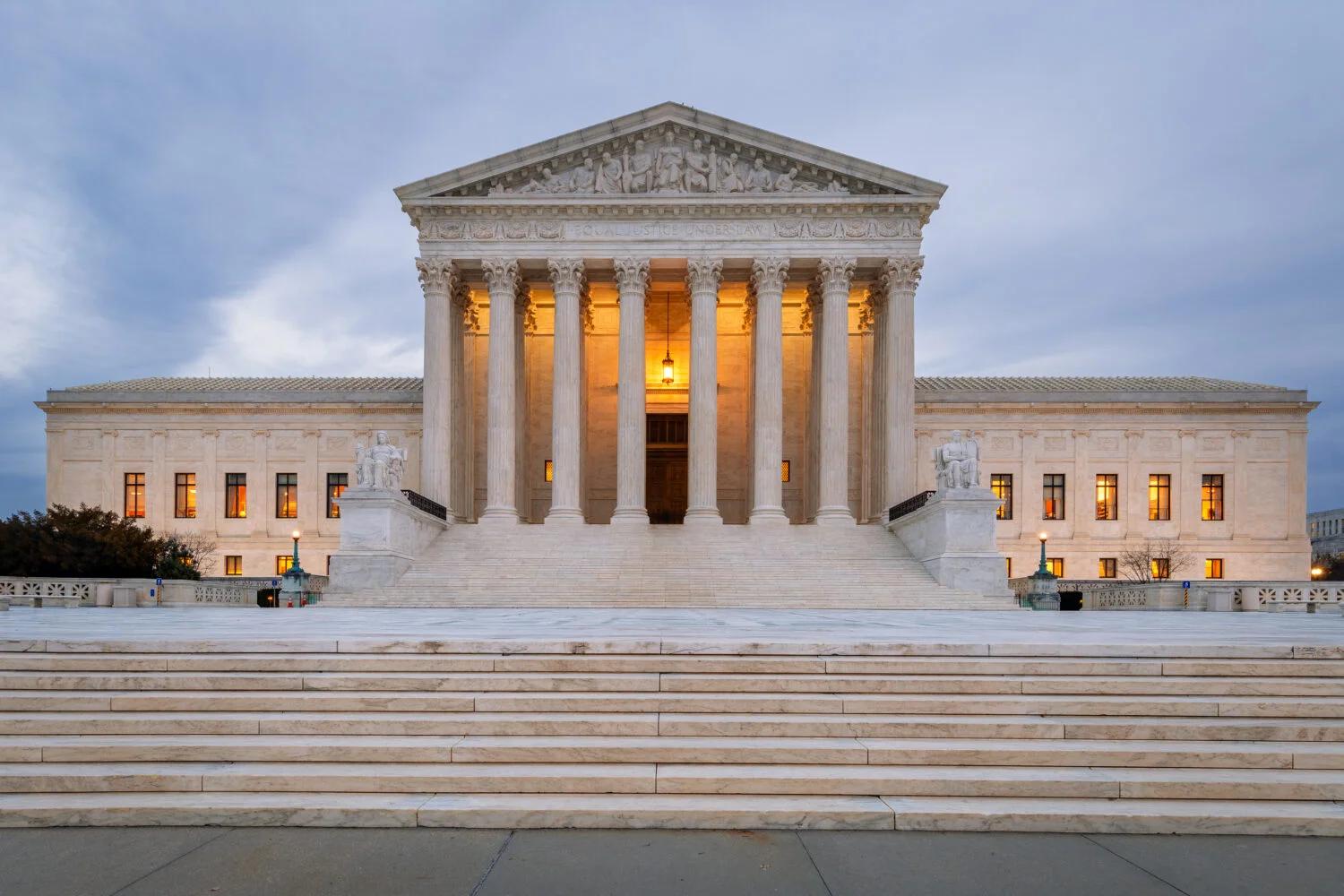
The U.S. Supreme Court declined to hear a significant Second Amendment case on September 8, 2026, leaving lower court rulings intact that restrict magazine capacity limits in three states. The justices provided no explanation for the refusal, a common practice when the Court denies certiorari petitions. Gun rights organizations immediately flagged the decision as a strategic setback in ongoing litigation challenging state-level magazine restrictions.
The rejected case involved constitutional challenges to magazine bans in California, New York, and Connecticut. Lower courts upheld these restrictions despite arguments that they violate the Second Amendment. Without Supreme Court intervention, the bans remain enforceable across all three states, affecting millions of gun owners who must comply with magazine capacity limits ranging from 10 to 15 rounds depending on jurisdiction.
Why It Matters for Gun Owners
Daily carriers and sport shooters face real consequences from magazine restrictions. New York residents cannot legally possess magazines holding more than 10 rounds for any firearm. California imposes the same 10-round limit. Connecticut allows up to 10 rounds. Violating these caps triggers criminal charges, potential confiscation, and fines.
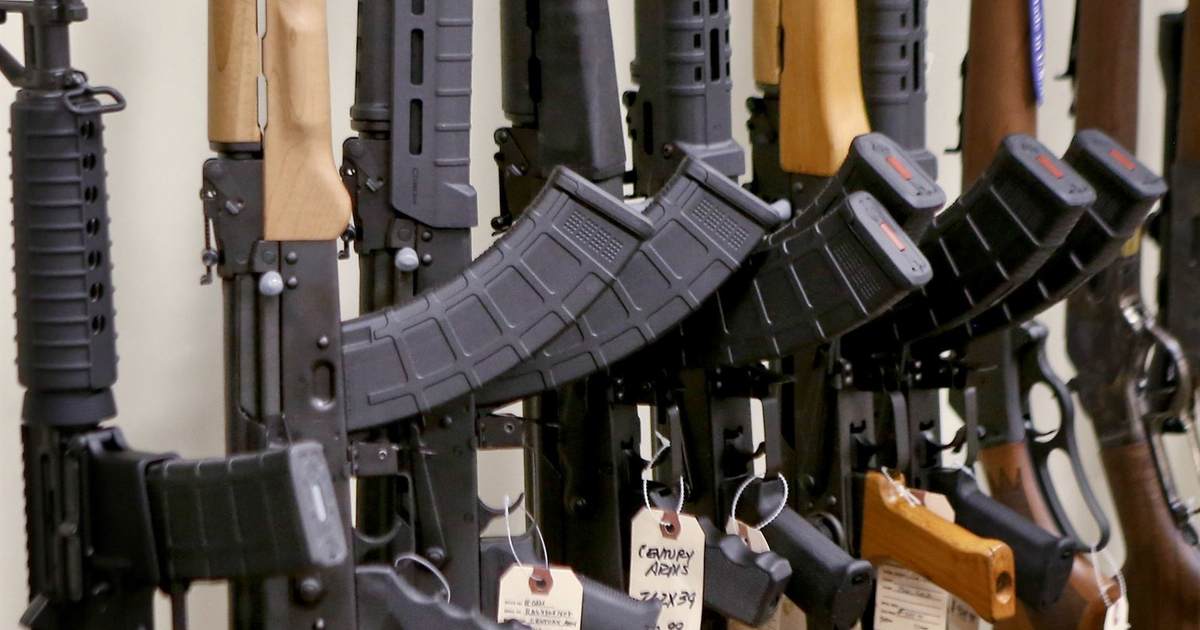
The Supreme Court's refusal signals judicial reluctance to revisit magazine regulations post-Bruen. The 2022 Bruen decision established that the Second Amendment protects arms "in common use" for lawful purposes. Gun rights advocates argue standard-capacity magazines—typically 15-17 rounds for pistols, 20-30 for rifles—qualify as common-use equipment. Lower courts disagreed, and SCOTUS declined to resolve the conflict.
This creates a fractured legal landscape. Magazine restrictions in some states stand unchallenged while similar bans face ongoing litigation elsewhere. Gun owners operating across state lines must track different rules for each jurisdiction. A 15-round magazine legal in Pennsylvania becomes contraband in New York upon crossing the border.
The decision also affects manufacturers. Companies producing firearms with standard-capacity magazines cannot legally ship to restricted states. This limits market access and drives up costs for compliant production runs targeting California, New York, and Connecticut.
Background
Magazine restrictions emerged in the 1990s as state lawmakers pursued gun control measures. California pioneered the approach, banning magazines over 10 rounds in 1999. New York and Connecticut followed with similar caps. These restrictions survived early constitutional challenges under the pre-Bruen standard, which gave governments wider latitude to regulate firearms.
The Bruen decision changed the analytical framework. The Supreme Court rejected historical tradition tests that allowed broad state regulation. Instead, Bruen requires courts to examine whether specific gun laws align with the Second Amendment's text and original public meaning. This opened doors for challenges to magazine bans.
Federal courts split on applying Bruen to magazine restrictions. Some courts upheld bans under revised analysis. Others struck down capacity limits. The Supreme Court's refusal to hear appeals leaves this disagreement unresolved, creating uncertainty for manufacturers, retailers, and gun owners across the nation.
DownRange Bottom Line
Magazine bans stay locked in place across California, New York, and Connecticut. The Supreme Court chose not to settle the constitutional question, leaving advocates with limited options. Second Amendment litigation continues in other circuits, but expect prolonged uncertainty on whether standard-capacity magazines receive federal protection.
Gun owners must verify local magazine laws before traveling or relocating. Compliance varies dramatically by state. The fractured approach encourages continued litigation while creating practical headaches for carriers, competitors, and manufacturers operating nationwide.