Gun Rights Groups File Emergency Injunction Against Maryland's Glock Lawsuit
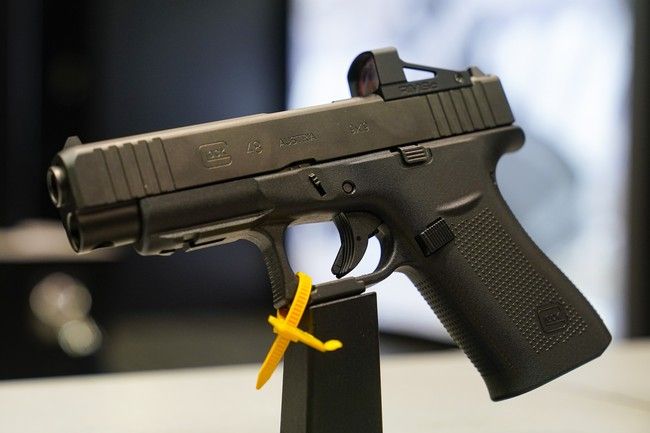
Second Amendment advocacy groups moved to block Maryland's legal action against Glock, which targets the company for alleged complicity in criminal use of its pistols. The state filed suit claiming Glock bears responsibility when third parties install aftermarket switches that convert semi-automatic weapons to fully automatic fire — devices already prohibited under the National Firearms Act. The groups argue Maryland is manufacturing a legal excuse to restrict a specific gun manufacturer's products.
Key Details
- Maryland named Glock, Inc. in a civil lawsuit over the company's alleged failure to prevent criminal modification of its pistols.
- The modifications in question use third-party devices (commonly called "Glock switches") that are already illegal under federal law.
- Gun rights organizations filed for an emergency injunction to halt the state's case before trial proceedings advance.
- The lawsuit represents a state-level attempt to hold a manufacturer liable for criminal actions taken by individuals using aftermarket parts.
Why It Matters for Gun Owners
If Maryland's lawsuit succeeds, it creates a dangerous precedent that manufacturers can be held accountable for crimes committed with illegal modifications to their products. This logic could extend to any gun maker: a state could theoretically sue Ruger, Smith & Wesson, or Springfield Armory for aftermarket parts made by third parties, regardless of the company's actual control over those components. For gun owners, this represents regulatory overreach disguised as product liability. If courts allow states to sue manufacturers over federally-prohibited modifications, the floodgates open for anti-gun jurisdictions to target any brand through litigation rather than legislation — a backdoor method to restrict access without passing new laws that might face Bruen scrutiny.
DownRange Analysis
Maryland's approach reveals the anti-gun playbook: when direct legislation fails, weaponize civil courts. The state is essentially arguing that Glock should be responsible for third-party criminal behavior — a standard no other manufacturer in any industry accepts. The federal government has already criminalized the devices Maryland is using to sue Glock. Expecting the manufacturer to police every criminal modification of its product is unreasonable and legally indefensible under Bruen's text-and-history analysis. The real issue: Maryland wants to eliminate Glock from its market without passing a law that explicitly does so. The injunction fight will likely turn on whether courts recognize this as an end-run around constitutional limits on gun restrictions. Gun owners should monitor this case closely — a loss here could invite copycat litigation nationwide.