NYPD Shoots Knife Attacker in Times Square After Two Victims Stabbed
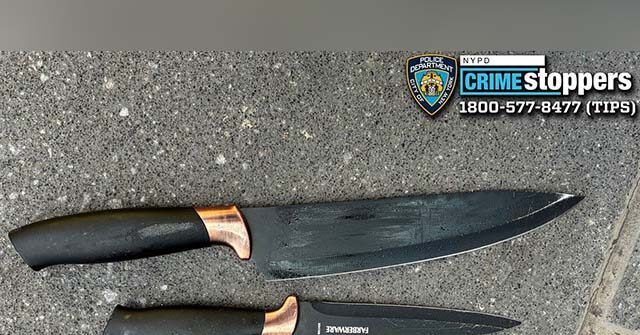
A woman armed with a knife fatally stabbed one person and wounded another in Times Square on September 2, 2026, before charging at NYPD officers who responded to the scene. Officers fired on the suspect after she advanced toward them with the blade. Video evidence documented the encounter, which ended the threat but raises questions about response protocols and officer safety in high-density urban environments.
Key Details
- One woman was killed by stabbing; one man was wounded in the same incident
- The suspect charged NYPD officers while armed with a knife after the initial stabbings
- Officers discharged their firearms, fatally striking the suspect
- Video footage of the encounter exists and has been released
- Incident occurred in Times Square, New York City—a high-traffic public area
Why It Matters for Gun Owners
This incident exposes a critical gap in New York's self-defense framework. Law-abiding New Yorkers carry knives as legal tools—but the state's restrictive handgun licensing system means most civilians cannot carry firearms for self-defense in public spaces. Times Square sees millions of visitors annually; none of them can legally carry concealed in New York. Officers arrived and responded with lethal force, which was appropriate—but private citizens witnessing this attack had no legal means to defend themselves or others before police arrived. The case underscores why constitutional carry advocates point to New York's model as fundamentally unequal: police retain firearms authority while average citizens cannot. Gun owners in constitutional carry states retain options New Yorkers simply do not possess.
DownRange Analysis
New York continues to enforce licensing schemes that survive legal challenge despite Bruen's textualist framework. This incident demonstrates the practical outcome: response times matter, but response times alone cannot protect everyone. The suspect's escalation from stabbing to charging armed officers suggests crisis behavior, not calculated criminal intent—yet civilians lacked even knife-parity tools to intervene. For gun owners nationwide, this serves as a reminder that constitutional carry states offer genuine self-defense options unavailable to New York residents. Officer safety protocols held; civilian vulnerability did not change. The question remains: how long does New York's licensing regime survive Bruen scrutiny when it demonstrably leaves civilians defenseless in public spaces where threats materialize faster than police can respond?