Federal Court Strikes Down Parts of NFA; Silencer Legal Fight Enters New Phase
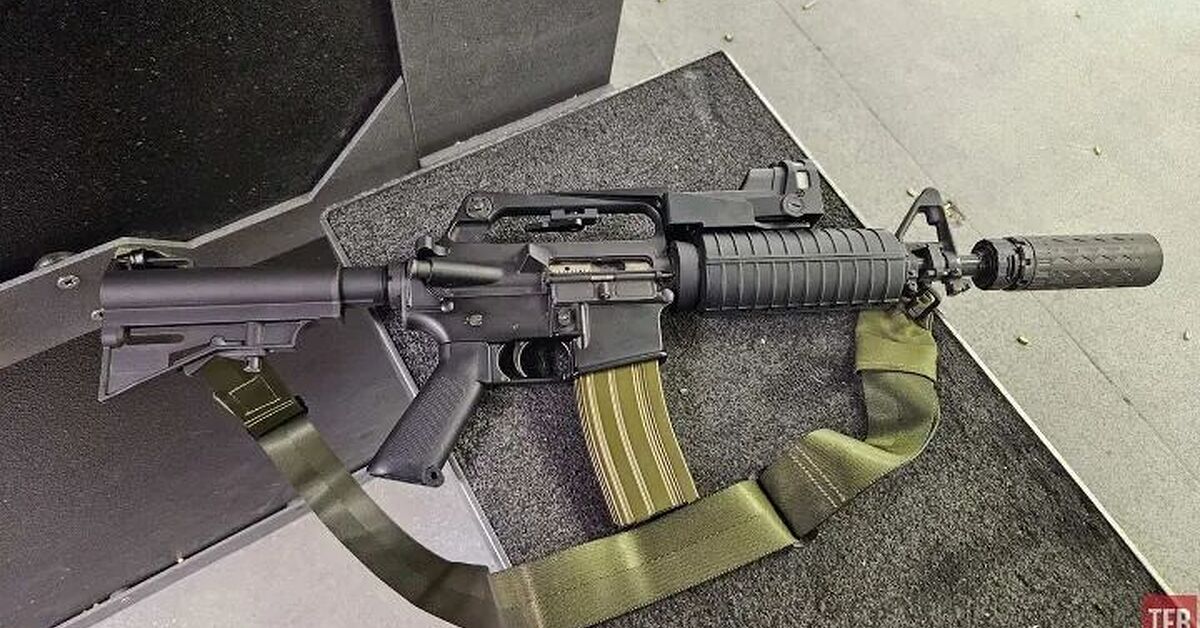
A federal court has ruled that portions of the National Firearms Act regulating silencers are unconstitutional, marking a major victory in ongoing litigation over suppressor restrictions. The decision eliminates certain statutory language but leaves critical questions unanswered about how the ATF will interpret and enforce remaining NFA provisions. Manufacturers like Yankee Hill Machine and gun owners nationwide now operate in legal gray territory as the ruling's practical implications unfold.
Key Details
- The court struck down specific language within the National Firearms Act that regulated silencer ownership and transfer.
- The ruling does not provide complete clarity on which NFA provisions survive or how the ATF should administer remaining requirements.
- Multiple enforcement and regulatory questions remain unresolved, creating uncertainty for suppressors in the near term.
- The decision follows years of Second Amendment litigation using Bruen framework arguments challenging the historical basis for silencer restrictions.
Why It Matters for Gun Owners
This ruling directly affects anyone holding a Form 4 silencer tax stamp or considering a suppressor purchase. The partial victory creates immediate confusion: will existing registrations remain valid? Will the ATF enforce the struck-down provisions during appeals? Gun owners in states that already restrict suppressors—California, New York, Delaware, and others—gain no practical relief unless federal law clarity reaches their local jurisdictions. Manufacturers face production and marketing uncertainty. Anyone building or buying a suppressor should document the legality of their specific transaction now, as the legal status may shift when courts clarify enforcement.
DownRange Analysis
Partial NFA victories are progress but create operational chaos. Courts rarely strike down one section and leave the rest untouched without explaining how agencies should implement what survives. The ATF will likely continue processing Form 4s and enforcing remaining NFA language unless specifically enjoined, creating a split-decision scenario where some silencer purchases are approved under old rules while the statutory foundation beneath them erodes. Expect appellate litigation to clarify the scope. Gun owners should not assume the NFA is finished—only that this particular challenge succeeded on specific grounds. Manufacturers need clear guidance before investment decisions. Monitor the appellate docket for the next ruling that defines what "portions" actually means.