Field-Tested Recipe Delivers Restaurant-Quality Bear Meat at Camp
A Beijing-style preparation method transforms tough wild bear into crispy, tender bites with sticky-sweet and spicy coating. Hunters who've struggled with gamey flavors or tough texture finally have a practical solution. The technique works equally well with venison, elk, or any lean wild game. Preparation time runs under 45 minutes once meat is processed and ready to cook.
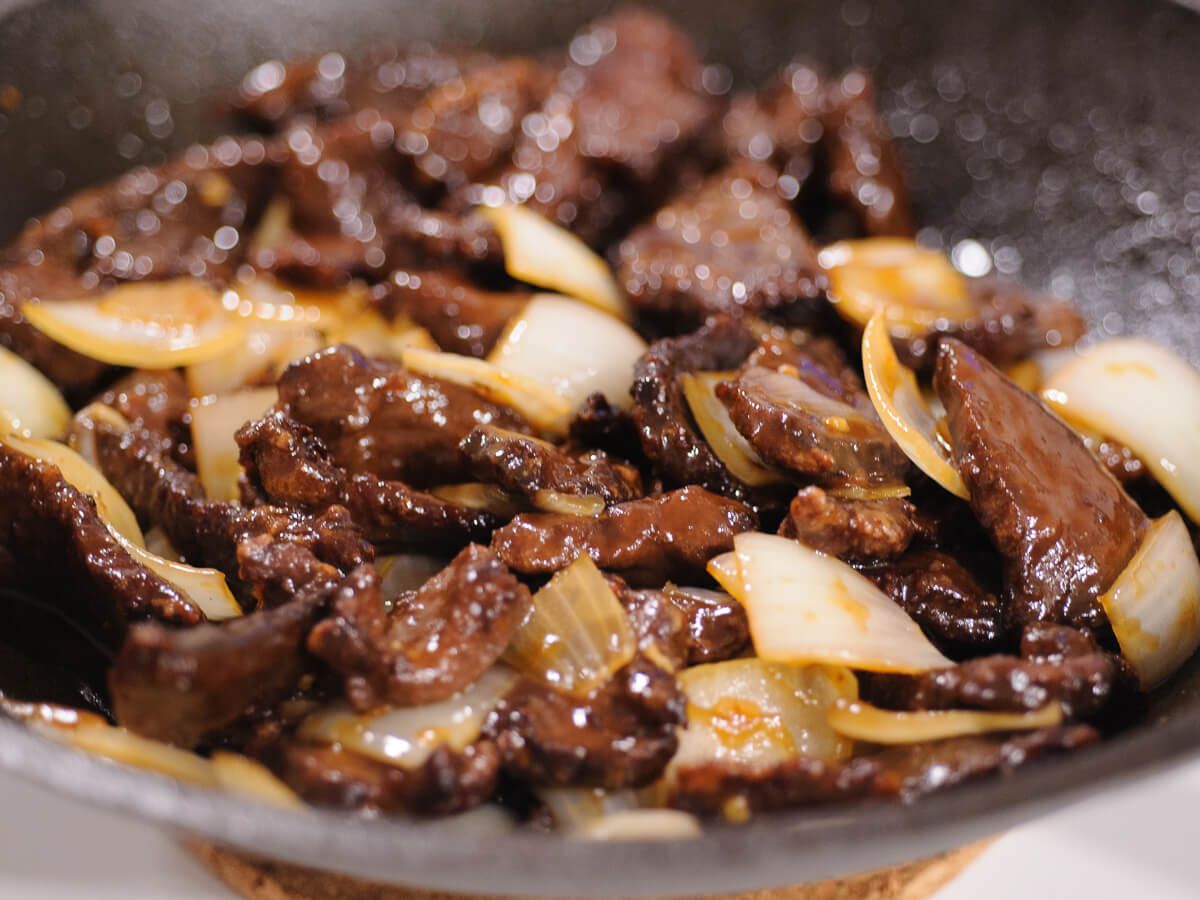
The recipe starts with bias-cut strips of bear meat, similar to beef stir-fry prep. Tenderizing happens through proper cutting angle and brief marination—no pounding required. A light cornstarch dusting creates the signature crispy exterior when fried. The sauce combines honey, soy, rice vinegar, and fresh chili peppers for genuine depth.
Why It Matters for Gun Owners
Field-dressing and processing wild game defines the hunt's final and most important step. Many hunters kill cleanly but waste meat through poor butchering or failed recipes. A proven cooking method that actually tastes good converts skeptics into regular wild game consumers.
Bear seasons open across multiple states and provinces. Montana, Idaho, Colorado, and British Columbia see heavy pressure. Success rates demand preparation for actual field conditions—limited equipment, one fire, improvised cookware. This Beijing preparation requires only a knife, cutting board, basic spices, and single cooking vessel.
Campfire cooking separates serious hunters from weekend plinking trips. Showing up with edible, restaurant-quality food builds credibility with guides, camp partners, and future hunting groups. Young hunters especially respond to recipes that taste better than gas station food.
The technique proves scalable. Cook for two at a campfire. Scale to 20 servings for a hunting lodge. The same knife skills and seasoning ratios apply across portions.
Background
Wild bear meat carries a reputation for toughness and extreme gamey flavor. Factory farming taught Americans to expect consistent, mild meat. Wild game tastes different—stronger mineral notes, varying fat content, muscle density from natural movement patterns.
Traditional bear recipes often mask flavor under heavy spicing or cream sauces. Chinese cooking methods, however, embrace bold flavors while maintaining meat texture. The Beijing-style approach respects the ingredient rather than overpowering it.
Cornstarch coating techniques originate from Sichuan province kitchens. Professional hunters in remote regions perfected these methods across decades. The method transfers perfectly to backcountry camps where fresh ingredients remain limited.
Rice vinegar and honey balance each other's sweetness and acidity. Soy provides umami depth that enhances rather than masks wild game character. Fresh chilies add heat that stimulates saliva production—essential for enjoying rich meat at elevation and after physical exertion.
DownRange Bottom Line
Hunters who kill game must commit to making it edible. This Beijing bear recipe eliminates excuses. Ingredients fit in a pack. Preparation requires basic knife skills. Results taste genuinely good—not "good for wild game."
Start with bear. Perfect the technique with venison. Apply to elk shoulders that challenge most camp cooks. A single successful camp meal converts hunting partners into believers and brings hunters back to the field season after season.
Get the knife sharp. Cut against the grain. Season properly. Don't overcook. That's the formula for wild game respect.