Colombia Restores Concealed Carry After 10-Year Government Ban
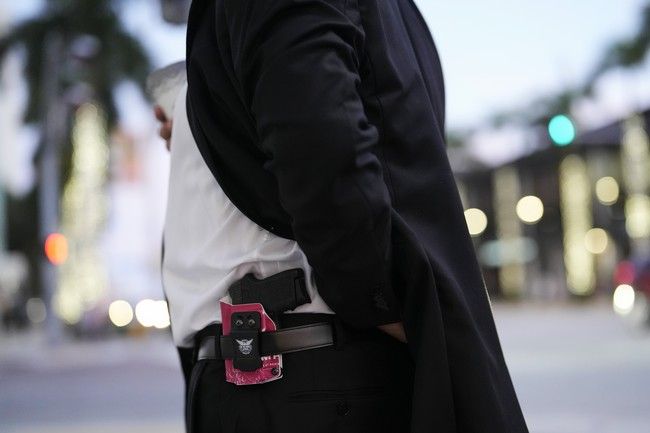
President Abelardo de la Espriella signed a decree in September 2026 ending Colombia's 10-year suspension of concealed carry permits. Citizens holding valid carry licenses can now legally bear arms for self-defense—a right frozen since the government's blanket suspension a decade earlier. The reversal marks a significant shift in Colombian firearms policy and restores legal carry to civilians previously stripped of the option.
Key Details
- Suspension lasted more than 10 years before termination
- Decree signed by sitting president, not legislative action
- Applies to citizens with existing concealed carry permits
- Self-defense explicitly cited as lawful purpose
Why It Matters for Gun Owners
This Colombian policy reversal demonstrates how carry restrictions—even multi-decade bans—can be overturned through executive action. For American gun owners, the case illustrates both the fragility of carry rights under hostile administrations and the potential for rapid restoration under sympathetic leadership. Colombia's experience shows that long-term suspensions of constitutional carry don't necessarily represent permanent law; political will matters. U.S. carriers in restrictive states should note that federal court victories (like New York State Rifle & Pistol Association v. Bruen) create openings for similar reversals domestically. The decree's focus on self-defense as justification tracks with post-Bruen reasoning in American courts, signaling global alignment on carry rights grounded in personal protection rather than state licensing discretion.
DownRange Analysis
Colombia's move validates what Bruen established: carry permits cannot be suspended indefinitely without constitutional cost. A decade-long ban exposed the weakness of discretionary licensing—it invited abuse, lost legitimacy, and became politically reversible. The decree's issuance suggests either shifting public opinion or recognition that the suspension lacked legal grounding. For U.S. advocates, this foreign example reinforces arguments that American carry restrictions face identical vulnerability. States with may-issue or restricted-issue regimes should expect litigation following this precedent and similar judicial decisions. Gun owners in cold-carry or limited-permit states should monitor how courts apply Bruen domestically; Colombia's reversal shows the dominoes move faster once one falls.