Springfield Cuts the Prodigy Down Without Cutting Capacity
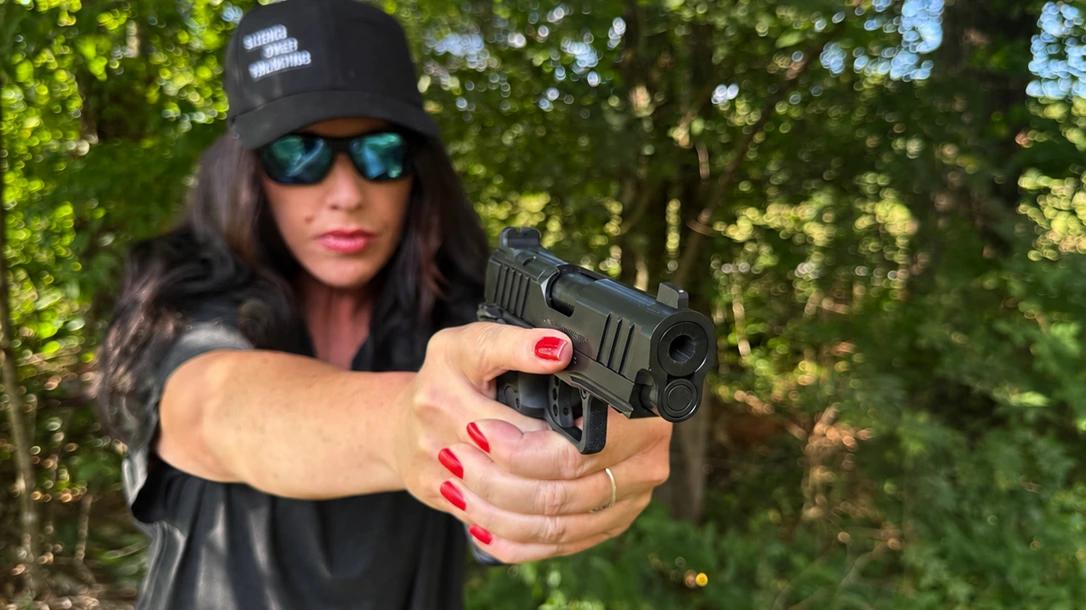
Springfield Armory released a 3.5-inch barrel variant of its Prodigy double-stack 1911, retaining the full-size grip frame and 18-round magazine capacity. The Prodigy 3.5 AOS model condenses a modern 1911 platform into a size traditionally associated with single-stack designs, targeting shooters who want concealment without reload penalties.
Key Details
- Barrel length: 3.5 inches, down from Prodigy full-size specs
- Magazine capacity: 18 rounds — unchanged from standard Prodigy
- Grip frame: Full-size, maintaining ergonomics and purchase
- Model designation: Prodigy 3.5 AOS (Ambi Operating System)
The compact Prodigy fits the tactical sweet spot between subcompact carry guns and full-frame duty weapons. Springfield's double-stack 1911 design eliminates the traditional single-stack capacity limitation that plagued 1911 carriers for decades.
Why It Matters for Gun Owners
Concealed carry shooters have always faced a choice: carry a thin, low-capacity 1911 or switch to a polymer frame. The Prodigy 3.5 erases that compromise. An 18-round double-stack magazine in a 3.5-inch platform means serious firepower in a compact footprint. Law enforcement and armed professionals have moved away from single-stack 1911s precisely because magazine capacity matters in defensive scenarios. This gun addresses that reality while preserving the manual safety and ergonomic controls that 1911 shooters prefer. The full-size grip—critical for proper recoil management and shot placement—stays intact, making this a genuine carry upgrade over compact single-stacks.
DownRange Analysis
Springfield is executing a smart market move. The Prodigy platform survives Bruen scrutiny as a lawful, historically grounded 1911 variant. The 3.5-inch compact fills a genuine gap: it's not a subcompact compromise, and it's not a duty gun. For daily carry, this hits the efficiency sweet spot. Expect strong adoption among armed professionals and serious gun owners who refuse to trade capacity for concealability. The AOS (ambi safety and controls) designation matters too—left-handed shooters finally get a modern 1911 that doesn't require shooting right-handed or custom gunsmithing. This is the kind of incremental platform refinement that keeps 1911s relevant in the polymer age.