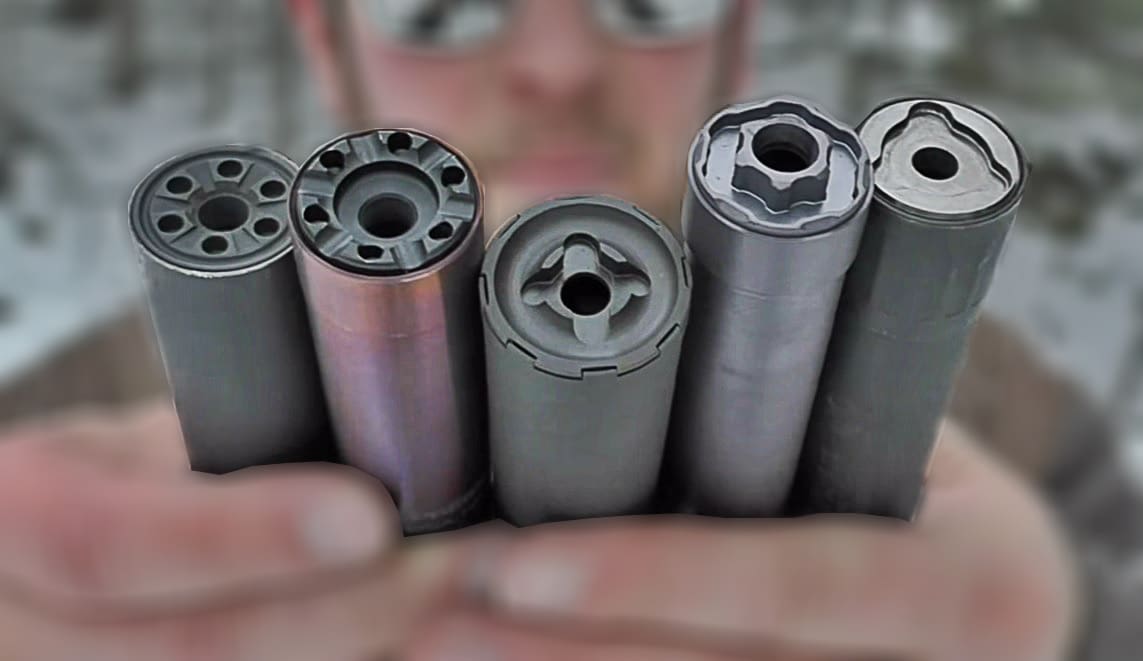
NFA Tax Repeal Triggers 845,000 Suppressor Applications in Five Months
Gun owners flooded the ATF with suppressor applications after Congress eliminated the $200 NFA tax stamp, removing a 90-year barrier to sound suppressors. Between January and May 2026, 845,000 applications were submitted and 768,000 approved. The volume confirms what manufacturers predicted: suppressor ownership was suppressed entirely by federal tax policy, not genuine concern over the devices themselves.
Key Details
845,000 suppressor applications filed in the first five months of 2026—January through May. 768,000 applications already approved by the ATF during the same window. The approval rate shows processing kept pace with demand, no backlog delays. This pace far exceeds pre-repeal monthly volumes, indicating the $200 tax was the primary barrier, not regulatory complexity.
Why It Matters for Gun Owners
For years, sound suppressors were treated like machine guns under the NFA—requiring fingerprints, photos, law enforcement sign-off, and a $200 check that expired in three years. The tax repeal means suppressors now move like any other firearm accessory. You buy one, fill out a Form 4, and own it permanently. No recurring tax. No expiration. The market data proves suppressor adoption was price-gated, not safety-gated. Gun owners who shelved the idea because of tax plus processing costs now have zero federal friction. Anyone serious about hearing protection, barrel life, and noise reduction for neighbors should act now—manufacturers are racing to restock, and prices will normalize once the application surge settles.
DownRange Analysis
This is straightforward Second Amendment economics: remove the tax, remove artificial scarcity. The 845,000 applications in five months prove suppressors were never dangerous—they were expensive. Congress essentially admitted the NFA tax was revenue extraction masquerading as safety. The market will consolidate quickly. Suppressor manufacturers are flooding production; prices will drop as supply catches up. Gun owners should purchase and register suppressors now while ATF processing remains fast. Once the application queue normalizes, processing times will likely tick upward again. This window won't stay open forever.