Texas Appellate Court Blocks Paxton's Gun-Free Fair Challenge
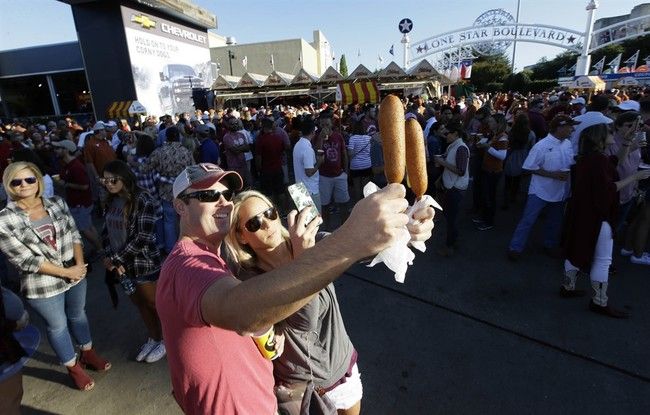
A Texas appellate court upheld the State Fair of Texas's prohibition on firearms Thursday, rejecting Attorney General Ken Paxton's legal challenge and forcing the Republican Senate candidate to pursue the case before the state's highest court. The ruling keeps the gun ban in place at the Dallas fair, which draws hundreds of thousands of visitors annually.
Key Details
- Appellate court sided with fair organizers on Thursday, August 7, 2026
- Paxton must now file with the Texas Supreme Court to continue the fight
- The State Fair of Texas maintains its decades-old gun-free zone policy across all fairgrounds
Why It Matters for Gun Owners
This ruling exposes a critical gap in Second Amendment protection in Texas. While constitutional carry passed in 2021, private property owners—including large public events—retain broad authority to prohibit firearms on their premises. Gun owners visiting the fair face arrest for carrying, even with a valid license. The appellate decision signals courts are deferring to private entity policies rather than applying strict scrutiny under New York State Rifle & Pistol Association v. Bruen. For Texas carriers, this means you need explicit legal guidance before entering any major event venue, and organizations with significant political clout can maintain firearm bans without federal challenge.
DownRange Analysis
Paxton's loss suggests Texas courts aren't yet applying Bruen's historical test with teeth against private actor restrictions. The appellate court likely deferred to property rights over constitutional carry rights—a weak position if Paxton's team can show the fair functions as a public square. His best shot at the state supreme court involves arguing that a fairground open to the public performs a state function and cannot impose categorical Second Amendment bans. This case will be critical to watch: a state supreme court loss in Texas could chill similar 2A challenges nationwide, while a win could establish that size and public character of a venue matter more than private ownership.