Beretta's APX A1 Struggles to Break Through Striker-Fired Market Clutter
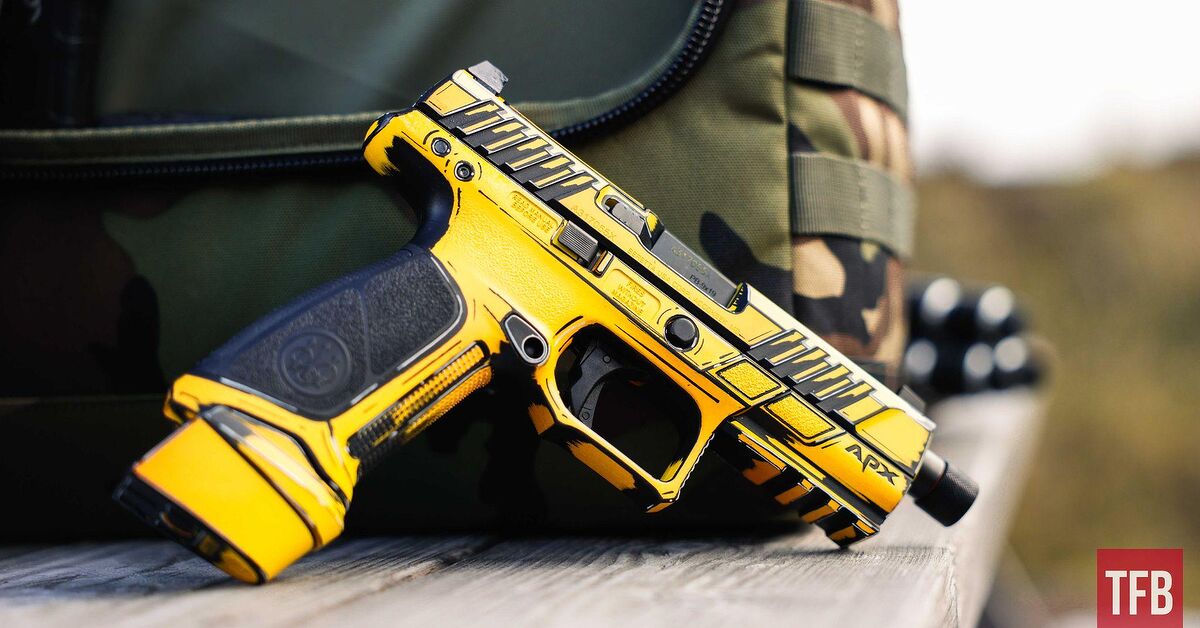
Beretta's APX A1 Full Size Tactical occupies a strange space in the American handgun market. While Glock and Smith & Wesson dominate conversation among gun owners who carry daily, the APX series remains largely invisible despite existing in the same competitive segment. A recent detailed review highlights why Beretta can't seem to gain traction: design compromises that matter to shooters and carry users actually place rounds downrange.
Key Details
The APX A1 Full Size Tac represents Beretta's attempt to claim shelf space in a market saturated with proven alternatives. Many American shooters associate Beretta primarily with the M9, the military's previous-generation service pistol. That legacy connection may actually work against the APX series—shooters don't naturally think of Beretta when comparing modern striker-fired duty weapons to established competitors. The APX exists as a solid engineering effort trapped in branding limbo, unable to convince buyers it deserves consideration over more recognizable names.
Why It Matters for Gun Owners
If you're building your first carry gun or evaluating duty weapons for competitive work, the APX A1 deserves a test run—but proceed informed. Design flaws in a production pistol directly affect reliability under stress. Any ergonomic or mechanical issue becomes critical when you trust a gun with your life. Gun owners shopping the full-size striker-fired category face real choices: proven track records from established names versus solid engineering from lesser-known makers. Spend time behind the APX before committing dollars. Read the details of what doesn't work. Visit a range that stocks it. The gun may solve problems that matter for your specific use, or the design issues may confirm why Beretta never gained traction with serious shooters.
DownRange Analysis
Beretta built a genuinely competitive pistol and failed at marketing it to the American carry market. That disconnect costs real sales. The APX exists alongside proven alternatives with established user communities, extensive aftermarket support, and earned reputations. Design flaws that matter—not minor nitpicks—seal the deal against adoption by shooters evaluating options. For Beretta to move APX units, the company needs either a significant redesign, visible endorsement from trusted figures in the shooting community, or a price advantage that justifies overlapping the learning curve. Right now, it has none of those. Gun owners rationally select Glocks and M&Ps because they know those guns work and know where to get parts. Until Beretta solves the design problems revealed by honest reviews, that calculus won't shift.