Meridian Defense Trench-103: Hand-Finished Combat Rifle Hits Market
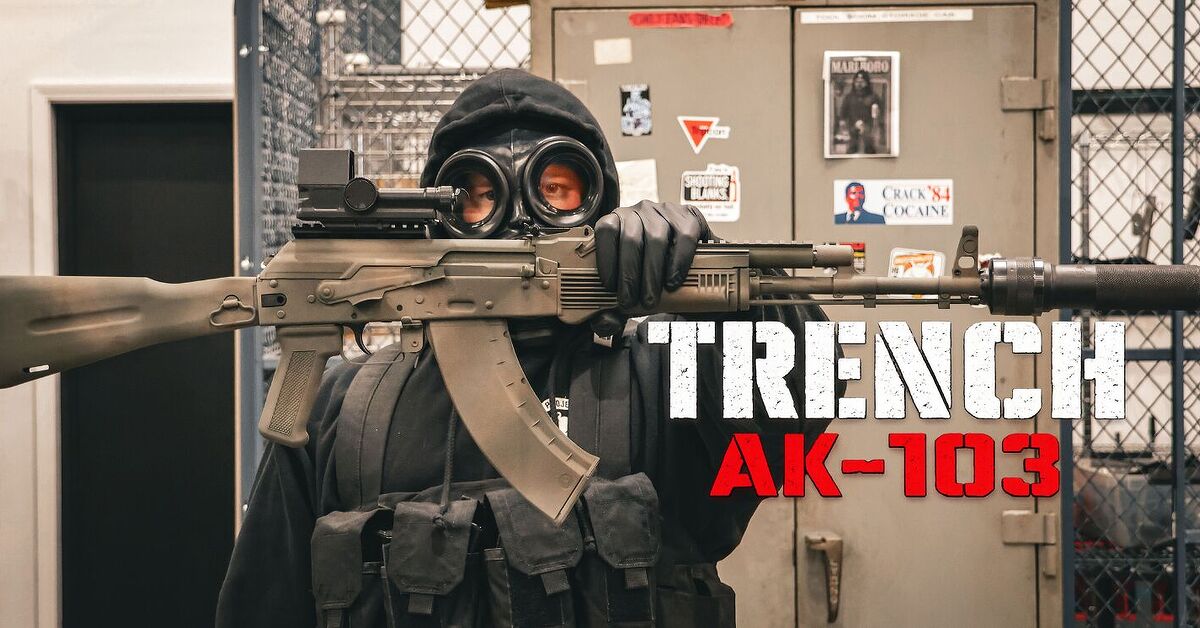
Meridian Defense Corp is shipping the Trench-103, a production rifle that abandons uniform factory finishes for hand-applied Cerakote treatments. Every rifle leaves the shop with individual spray patterns and surface markings that mimic hard-use field weapons. The company refuses assembly-line shortcuts—each Trench-103 is hand-finished by individual technicians, guaranteeing no two rifles share identical wear signatures.
Key Details
- Every Trench-103 receives individually applied Cerakote finish with unique spray patterns and surface scars
- Production process eliminates mass-finishing techniques; hand-work defines each rifle's final appearance
- Design philosophy draws from modern field-painted rifles documented in trench warfare and active combat zones
- The aesthetic replicates earned wear rather than manufactured distressing common in tactical rifle markets
Why It Matters for Gun Owners
Meridian is betting that serious shooters—competition rifles, duty carbines, field use—will pay for authenticity over uniformity. The Trench-103 targets operators and hunters who prefer practical finishes over pristine factory aesthetics. Hand-finishing means longer lead times and higher costs than standard production, but each rifle becomes genuinely unique rather than one of ten thousand identical serialized examples rolling off the same conveyor belt. If you carry a rifle in working conditions, this approach eliminates cosmetic concerns; the gun is built to show its use. The market for premium hand-finished firearms remains niche but loyal, and Meridian is positioning itself in that lane against competitors still chasing mass-production efficiency.
DownRange Analysis
This is a hard pivot from modern tactical rifle marketing. Most manufacturers chase CNC precision and uniform finishes as selling points. Meridian inverts that—claiming the rifle's value increases with individualized hand-work. The strategy works if the underlying platform is sound and the hand-finishing actually protects steel and polymer better than robotic application. The real test: does a $2,500+ rifle with intentional spray-pattern variation hold resale value, or does it look like a production error? Early market reception will determine whether this becomes a brand identity or a costly overcomplication. For serious shooters, the Trench-103 signals that not every competitive advantage comes from features—sometimes it comes from refusal to cut corners on manufacturing itself.