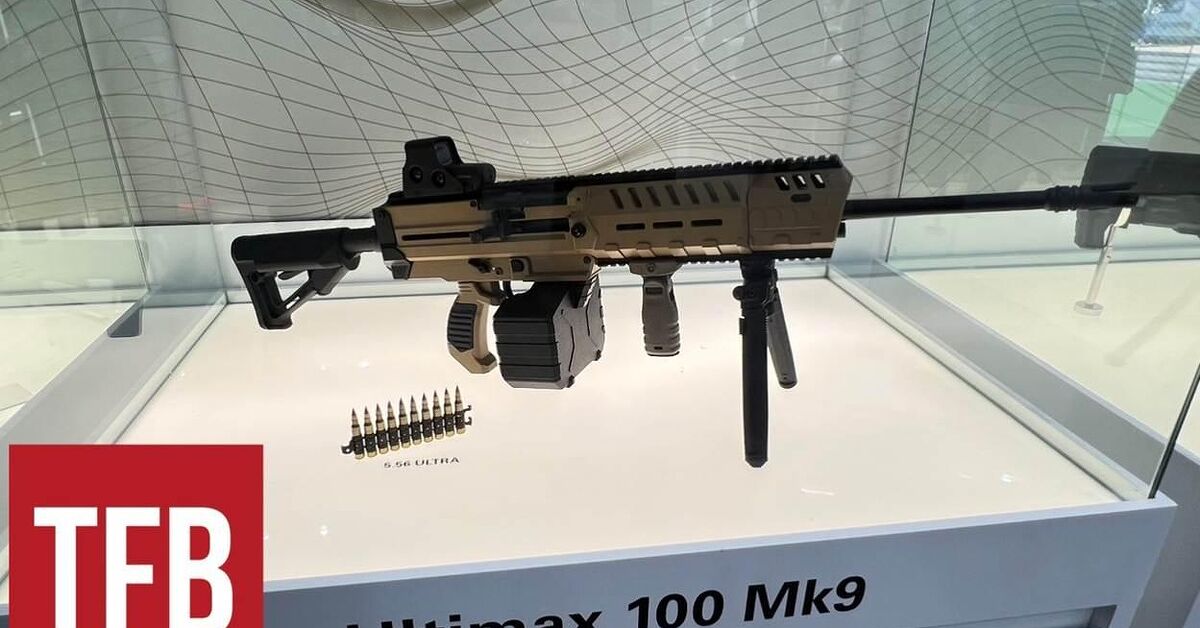
LMG Design Undergoes Fundamental Reassessment as Combat Roles Shift
The light machine gun—belt-fed, squad-level sustained-fire platform—faces a design crossroads after decades of incremental refinement. Military planners recognize that while the core mission remains constant, the operational environment demanding these weapons has transformed significantly. Developers must now reconcile traditional sustained-fire capability with modern mobility and tactical flexibility requirements that Cold War designs never anticipated.
Key Details
The Core Tension: LMGs have operated under the same operational mandate since the mid-20th century—provide a small infantry unit with belt-fed firepower capable of sustained engagement while remaining mobile enough to maneuver with riflemen. The paradox remains unresolved: maximizing belt capacity and cooling capacity inevitably increases weight and reduces tactical mobility.
Emerging Requirements: Modern combat operations now demand faster deployment cycles, increased ammunition carrying efficiency, and integration with distributed squad tactics that traditional belt-fed platforms struggle to accommodate. The weapon must deliver sustained fire but within operational contexts that reward lighter, more agile systems.
Why It Matters for Gun Owners
While military procurement decisions typically precede civilian adoption by years, the direction LMG development takes signals broader shifts in small arms philosophy. If military designers successfully reduce weight while maintaining sustained-fire capability, civilian variations—competition rifles, home defense platforms—will follow. Shooters who understand the technical trade-offs between ammunition capacity, cooling, and weight will make smarter platform choices. The evolution also affects ammunition market demand; radical redesigns could shift 5.56 NATO consumption patterns or create pressure for alternate calibers optimized for sustained fire in lighter packages.
DownRange Analysis
The LMG redesign conversation reflects a broader recognition that Cold War weapons designed for linear, fixed-position warfare don't translate cleanly to modern distributed operations. However, physics hasn't changed. Belt-fed guns with adequate cooling require mass. Developers chasing lighter solutions will trade either heat dissipation efficiency, magazine capacity, or sustained fire rate—not eliminate the choice. The most likely outcome: niche platforms optimized for specific roles rather than a universal LMG. Gun owners should monitor whether manufacturers pursue commercial variants; a lighter, more efficient sustained-fire rifle could reshape competitive shooting and home defense platform development.