Federal Judge Strikes Down SBR and Suppressor Registration as Unconstitutional
A federal judge ruled that mandatory registration of short-barreled rifles and suppressors violates the Second Amendment. The Department of Justice let its appeal deadline expire, making the decision final and effective immediately across the nation.
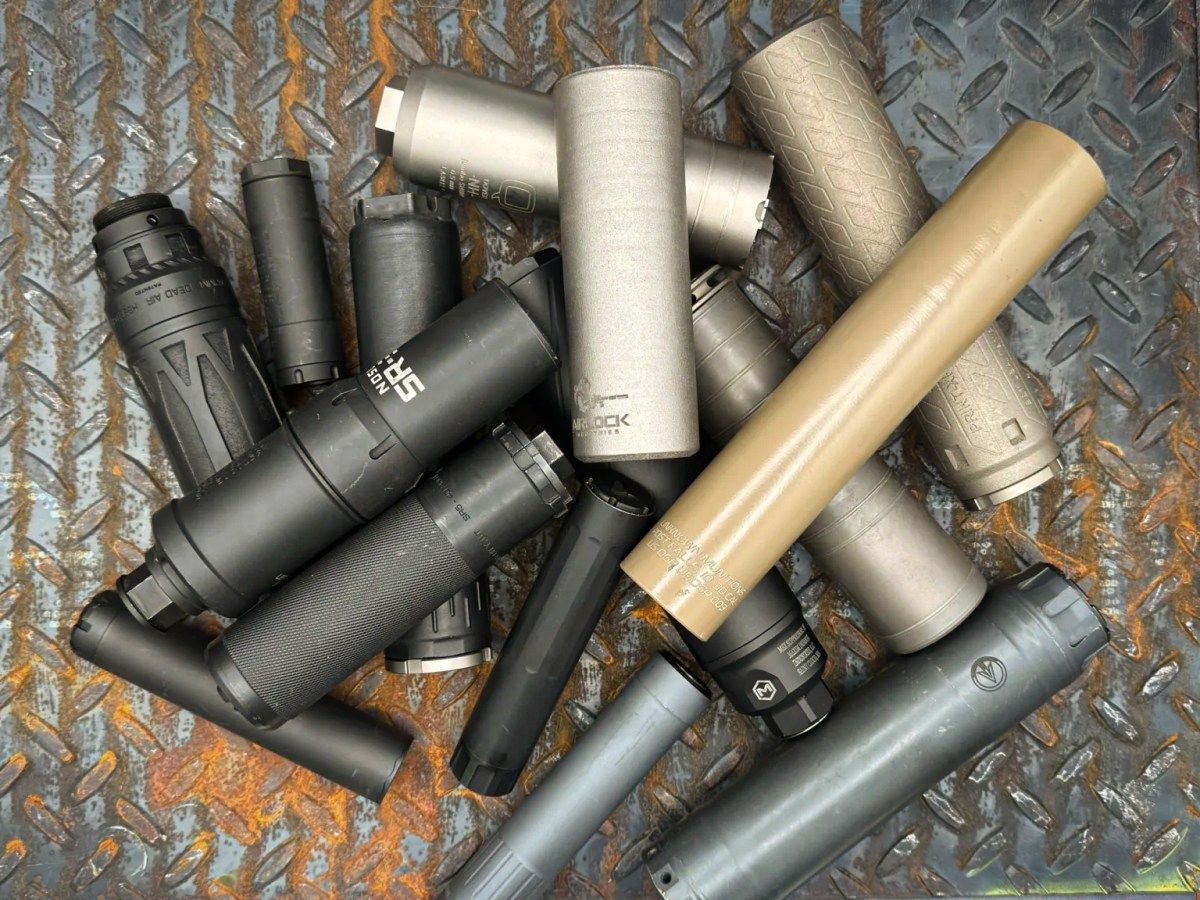
This ruling eliminates a major compliance burden that has frustrated gun owners for decades. Manufacturers, dealers, and shooters no longer face federal penalties for possessing unregistered SBRs or suppressors. The decision applies to all ATF Form 4 registrations required under the National Firearms Act.
Gun owners who paid the $200 tax stamp per item can now possess these firearms without registration paperwork. The ruling doesn't automatically refund past tax payments, but it prevents future enforcement actions related to registration status alone.
Why It Matters for Gun Owners
This decision directly impacts millions of Americans who own short-barreled rifles or suppressors. Previously, possessing an unregistered SBR or suppressor exposed owners to federal felony charges carrying up to 10 years in prison.
The registration requirement effectively created a government database of gun owners. Gun owners rightfully viewed this as a backdoor registry incompatible with Second Amendment protections. The judge agreed, finding no constitutional basis for singling out these specific firearm components for mandatory registration.
For daily carriers and home defenders, suppressors offer practical hearing protection and reduced recoil impulse. SBRs provide superior maneuverability in tight spaces compared to full-length rifles. Both tools are now legally possessible without federal registration.
The ruling also signals judicial skepticism toward expansive NFA interpretations. This could influence pending cases challenging other firearm regulations. Federal courts are increasingly scrutinizing whether gun restrictions actually serve constitutional purposes.
Manufacturers can now advertise and sell these items with greater confidence. Dealers no longer risk liability for selling components to customers unwilling to navigate federal registration. The market for quality suppressors and short-barreled systems will likely expand significantly.
Background
The National Firearms Act of 1934 originally taxed and registered machine guns, short-barreled rifles, short-barreled shotguns, and suppressors. The $200 tax stamp requirement was designed to discourage ownership through cost and paperwork burden.
For nearly 90 years, the ATF enforced these registration mandates without serious constitutional challenge. Gun owners complied or risked federal prosecution. The regulatory framework became embedded in firearms law.
Recent Supreme Court decisions, particularly New York State Rifle & Pistol Association v. Bruen (2022), shifted constitutional analysis. The Court held that gun regulations must align with historical Second Amendment traditions. Registration of commonly owned items failed this test.
Multiple federal judges began striking down similar regulations as unconstitutional. This particular ruling represents one of the strongest applications of Bruen to NFA provisions. The government's decision not to appeal suggests awareness that higher courts would likely uphold the decision.
DownRange Bottom Line
Gun owners won a decisive Second Amendment victory. Registration requirements for short-barreled rifles and suppressors are now unenforceable. This removes a substantial compliance burden and affirms constitutional protections against government registration schemes.
The ruling reflects broader judicial recognition that common defensive firearms cannot be arbitrarily restricted. Expect manufacturers to release new SBR and suppressor products without NFA hesitation. This decision strengthens Second Amendment jurisprudence across multiple cases currently in federal courts.
For armed citizens, this means expanded options for hearing protection, maneuverability, and self-defense without federal registration penalties. The government's retreat signals that constitutional gun rights remain enforceable against federal overreach.