DOJ Drops Post Office Gun Ban Appeal—Victory Final
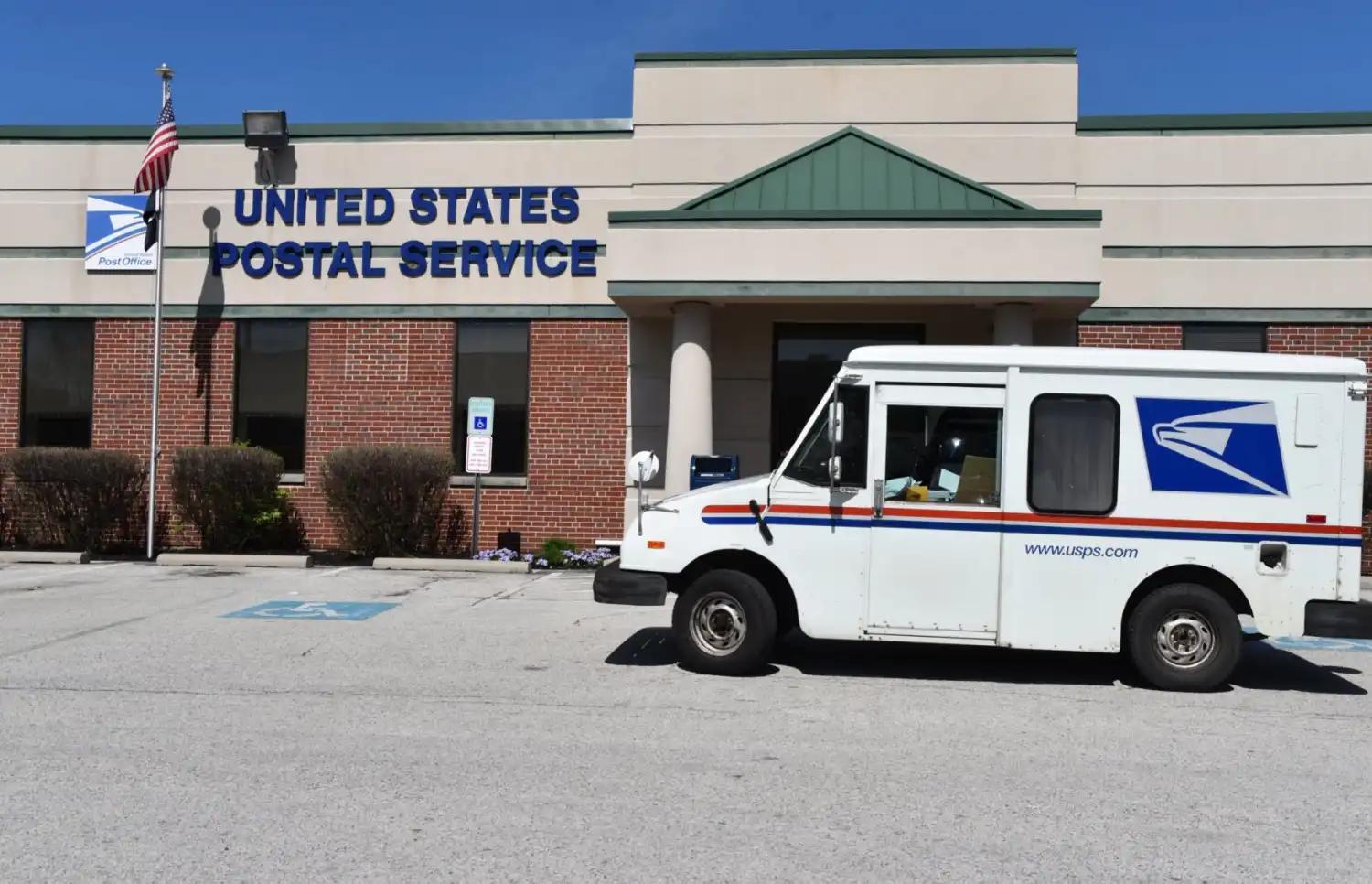
The Department of Justice abandoned its appeal in FPC v. Blanche, cementing a federal court victory that struck down the U.S. Postal Service's blanket prohibition on firearms in postal facilities. The dismissal, filed under the Trump administration, makes the ruling final and enforceable. Gun owners can now legally carry inside post offices nationwide without federal criminal exposure for violating an agency directive rather than a statute.
Key Details
The ruling eliminates the USPS's longstanding administrative ban on firearms—a policy that had no basis in federal statute and rested entirely on agency discretion. The court found the ban unconstitutional under New York State Rifle & Pistol Association v. Bruen, which requires gun regulations to have historical precedent. The DOJ's decision not to appeal signals the Biden-era legal strategy has reversed course under Trump appointees who prioritize Second Amendment claims over executive agency authority.
Why It Matters for Gun Owners
This is a direct practical win. You can now legally carry a loaded handgun into your local post office without risking federal prosecution under 18 USC 930 or USPS postal inspection service charges. The ban affected millions of Americans who visit postal facilities daily and had no constitutional moorings—it was pure bureaucratic overreach. State-level carry permits remain valid, and your CCW continues uninterrupted through postal doors. This also sets precedent against other federal agencies attempting similar administrative bans on firearms in federal buildings where Congress hasn't explicitly prohibited carry. The decision protects the millions of Americans whose states recognize constitutional carry or shall-issue permitting systems.
DownRange Analysis
This win exposes how much Second Amendment territory remains undefended against agency overreach. The USPS ban lasted decades because gun owners and rights organizations didn't challenge it until recently. Now that Bruen requires historical grounding for all gun regulations, agency directives without statutory backup are vulnerable across federal property. Expect challenges to similar bans at Social Security offices, federal courthouses, and VA facilities. The Trump DOJ's decision not to defend this one suggests a significant shift in how the executive branch will treat Second Amendment cases going forward—a sharp departure from the prior administration's posture.