NYPD Officer Shoots Armed Knife Attacker After Tasers Fail in Times Square
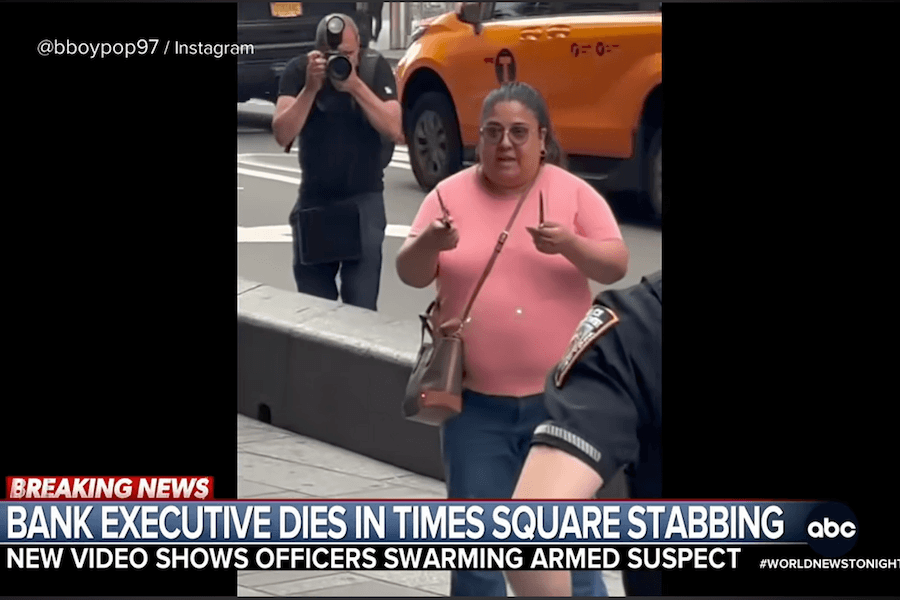
An NYPD officer discharged his firearm at a woman armed with two large knives in Times Square after she stabbed two people and refused police commands to drop her weapons. Officers deployed Tasers before resorting to lethal force, both deployments failing to incapacitate the suspect. The incident occurred over a four-minute window as backup arrived and the threat continued.
Key Details
- Suspect armed with two large knives and had already stabbed two victims
- Officers issued multiple commands before force deployment
- Two Taser deployments failed to stop the threat
- Officer discharged firearm after non-lethal options proved ineffective
- Incident unfolded over approximately four minutes in Times Square
Why It Matters for Gun Owners
This case illustrates the reality of duty-to-stop scenarios and the documented limitations of less-lethal tools. The Taser's 50-60% effectiveness rate in real-world encounters is well-known to armed professionals and civilians with self-defense training. When a suspect has already inflicted injuries and ignores commands, officers and citizens alike face narrowing options. For carry permit holders, this underscores why hollow-point ammunition selection matters—and why understanding your local use-of-force statutes is critical. The Times Square shooting will likely influence how courts evaluate police and civilian self-defense claims when multiple force options have failed.
DownRange Analysis
The sequence matters here: active harm (two stabbings), multiple warnings, non-lethal failure, then lethal response. This tracks Graham v. Connor standards and, more recently, post-Bruen state self-defense statutes emphasizing imminent threat and proportional response. The real question isn't whether the shooting was justified—it almost certainly meets legal thresholds—but whether this case will be used to defend police discretion in lethal force decisions or weaponized by anti-gun groups to argue officers should have waited longer. For armed citizens, the lesson is simpler: document non-compliance, attempted de-escalation, and why you ran out of other options before pulling the trigger.