Federal Judge Halts Virginia's Assault Weapon and Magazine Bans
A federal court issued a preliminary injunction stopping Virginia State Police from enforcing the state's assault weapons and magazine bans. The ruling came in Crump v. Katz, a case challenging the constitutionality of Virginia's 2020 firearms restrictions. The injunction remains in effect while litigation continues, meaning state police cannot arrest or cite gun owners for possessing standard-capacity magazines or rifles banned under Virginia law.
This victory doesn't end the fight. Gun owners now face a critical next step: pressuring local Commonwealth's Attorneys to refuse prosecution. These elected prosecutors hold the power to enforce—or ignore—state bans at the county level.
Why It Matters for Gun Owners
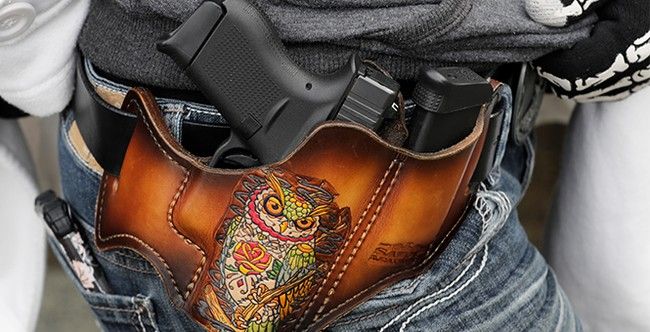
The preliminary injunction protects Virginia gun owners from criminal prosecution while the case proceeds through federal court. Carrying a standard 15-round magazine or owning an AR-15 no longer exposes you to arrest under state police enforcement.
But enforcement rests with Commonwealth's Attorneys. These local prosecutors decide whether to charge violations. One attorney refusing to prosecute effectively kills the ban in their jurisdiction. Multiple prosecutors taking this stance could collapse Virginia's entire enforcement structure.
This matters because preliminary injunctions are temporary. The case will eventually reach trial. If Virginia wins at trial, the bans return to full force unless gun owners have secured commitments from prosecutors to refuse enforcement. Those commitments matter more than court victories alone.
Gun owners in Virginia should contact their local Commonwealth's Attorney immediately. Request a clear statement that their office will not prosecute firearm possession cases under the assault weapons or magazine bans. Document their responses. Hold them accountable at the ballot box.
Background
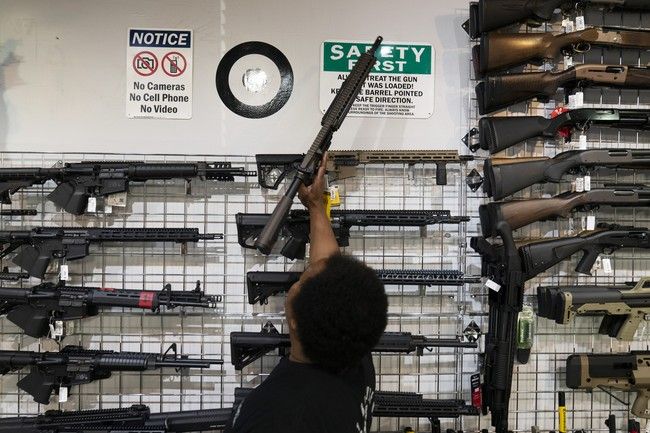
Virginia passed its assault weapons ban in 2020, defining "assault weapons" broadly to include AR-15s, AK-pattern rifles, and semi-automatic rifles with certain features. The law also capped magazine capacity at 10 rounds. Violations carried felony charges with prison time.
Gun owners filed suit immediately. Crump v. Katz challenged the bans as violations of Second Amendment rights under District of Columbia v. Heller and McDonald v. Chicago, the Supreme Court cases that affirmed individual firearm rights.
The federal judge found the plaintiffs likely to succeed on the merits—meaning the bans probably violate the Constitution. That's why she issued the preliminary injunction. She also found that the public interest favors protecting constitutional rights while litigation proceeds.
Virginia's Attorney General has defended the bans. The case will continue through the federal court system, potentially reaching the Fourth Circuit Court of Appeals and beyond.
Meanwhile, gun rights organizations have identified this window as the moment to flip Commonwealth's Attorneys. With state police already blocked from enforcement, prosecutors face less political pressure to pursue cases. Some may welcome guidance from gun owners about constituent preferences.
DownRange Bottom Line
The preliminary injunction is a real win. Virginia gun owners are no longer criminals by default. That matters.
The next battle happens in Commonwealth's Attorney offices. Gun owners must act now—before trial, before appeals, before the political landscape shifts. One Commonwealth's Attorney refusing prosecution sets precedent. Ten create an enforcement crisis. Twenty make the bans dead letters.
Contact your local prosecutor. Be specific. Ask them to commit to refusing firearm possession charges under Virginia's assault weapons and magazine bans. Get their answer in writing. Share results with other gun owners in your area. This is how you win at the local level.