Brown University Holds Vigil Following On-Campus Shooting Incident
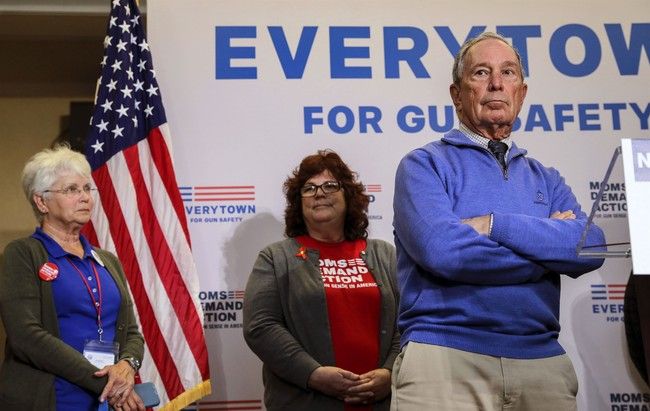
Community members gathered at Brown University to confront gun violence after a shooting incident struck the campus. The vigil drew students, faculty, and local residents demanding action on firearm safety. Attendees called for policy changes at both university and state levels.
The shooting prompted immediate response from Brown's administration. Campus security increased patrols following the incident. University leadership committed to reviewing existing firearms policies affecting students and staff.
Why It Matters for Gun Owners
This vigil represents growing pressure on educational institutions to restrict Second Amendment access on campus grounds. Brown University, like most private universities, maintains strict firearms policies prohibiting students from possessing weapons in dormitories or campus buildings. The incident will likely intensify calls for expanded restrictions.
Gun owners should pay attention to rhetoric emerging from these gatherings. Activist groups often use tragic incidents to push for broader restrictions affecting off-campus carry rights and concealed carry permits in surrounding communities. Rhode Island already maintains some of the nation's strictest permitting processes.
The vigil's messaging focused on ending "gun violence" without distinguishing between lawful and unlawful firearm use. This framing directly challenges responsible gun ownership narratives. Second Amendment advocates must monitor how these local movements influence state legislative agendas.
Campus carry debates specifically threaten concealed carry permit holders' rights near educational facilities. Several states prohibit firearms within specified distances from school properties, including colleges and universities. Brown's location in Providence places additional legal restrictions on nearby carry rights.
Background
Brown University sits in downtown Providence, Rhode Island, an urban center with documented violent crime challenges. The campus has experienced multiple incidents over recent years. Prior incidents sparked similar calls for enhanced security and firearm restrictions.
Rhode Island's permitting system requires applicants to demonstrate "good cause" for concealed carry licenses. The state issues permits through local police departments with significant discretion. This subjective standard makes Providence and surrounding areas restrictive for permit acquisition.
University policies typically prohibit firearms on campus regardless of permit status. Brown enforces this restriction consistently across all facilities and grounds. Students violating this policy face expulsion and criminal charges under state law.
The vigil participants included community activists focused on reducing firearms access. Organizations represented included groups advocating stricter gun laws statewide. Their messaging emphasized preventing future incidents through policy change rather than addressing underlying security failures.
Brown University officials acknowledged community concerns during the gathering. However, the university stopped short of announcing specific new restrictions beyond existing policies. Campus security improvements centered on increased presence and emergency response protocols.
DownRange Bottom Line
This vigil exemplifies how tragic incidents drive political momentum against Second Amendment rights nationwide. Gun owners must recognize that campus-based activism frequently translates into state-level legislative proposals. Rhode Island's already restrictive permitting environment will likely face additional pressure for tighter regulations.
Responsible gun owners should engage in these local conversations proactively rather than allowing activist narratives to dominate. Distinguishing between criminal firearm misuse and lawful self-defense requires clear communication. The shooting was genuinely tragic, but restricting law-abiding citizens' constitutional rights won't prevent criminals from obtaining weapons.
Watch for proposed legislation emerging from Brown's incident over the next legislative session. Rhode Island lawmakers often advance campus safety bills following high-profile shootings. Permit holders should contact representatives opposing expansions to existing restrictions and supporting evidence-based security measures instead.