Virginia AG Claims Magazine Ban Still Active Outside Lawsuit Scope
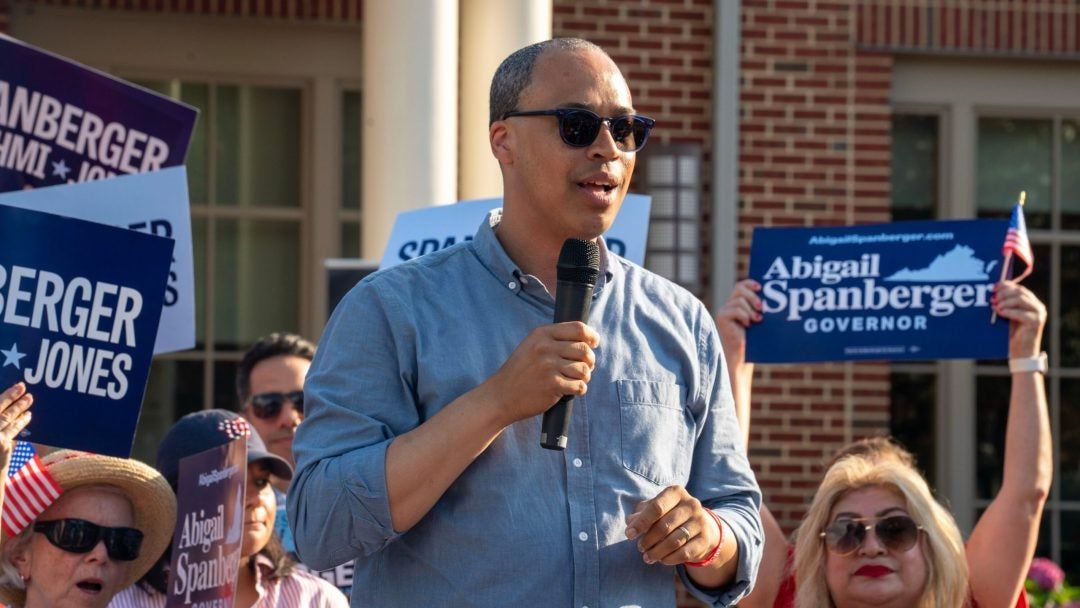
Attorney General Jay Jones is attempting to enforce Virginia's semi-automatic rifle ban and 12-round magazine limit against state agencies not named in existing federal court blocks. Two separate courts have already halted enforcement of both restrictions statewide. Jones argues his interpretation allows selective enforcement against certain jurisdictions while litigation continues through appellate channels.
This legal maneuver creates two enforcement tracks in a single state. One applies to defendants in active lawsuits—where courts issued blocks. The other targets agencies Jones claims remain outside those court orders. Gun owners face immediate uncertainty about which laws actually bind them.
Why It Matters for Gun Owners
Virginia gun owners now confront a fractured legal environment where possession legality depends on location and which court has jurisdiction. The same AR-15 or magazine could be legal in one county and contraband in another under Jones's interpretation. This uncertainty creates real jeopardy for daily carriers and hunters.
If Jones succeeds, gun owners could face state charges while federal courts have simultaneously blocked the underlying law. That contradiction should be legally impossible—but Jones is testing whether enforcement pressure forces compliance before appellate courts resolve it.
The strategy signals aggressive state-level anti-gun enforcement despite federal judicial rulings. Virginia has become a priority jurisdiction for Second Amendment litigation. Gun owners in other blue states should monitor this case closely. If Jones's selective enforcement approach gains traction, other hostile state AGs will adopt identical tactics.
Travel through Virginia becomes riskier. Anyone transporting firearms interstate or crossing state lines for hunting must now track which Virginia jurisdictions accept the court blocks and which don't. That's an enforcement trap.
Background
Virginia passed its semi-automatic rifle restriction and 12-round magazine limit in 2020. Possession of affected firearms became a felony under state law. Magazine capacity limits applied to all owners, new purchases, and existing collections.
Federal courts blocked enforcement twice—once for the rifle ban and separately for the magazine capacity restriction. Both blocks restrained the state from enforcing these laws. Standard judicial procedure holds that court blocks apply statewide and prevent all enforcement by all state officials.
Jones has rejected that standard interpretation. His office claims the court blocks apply only to the specific defendants and jurisdictions named in the lawsuits. Therefore, he argues, agencies not specifically named remain free to enforce the bans.
This interpretation contradicts established judicial doctrine. When courts block enforcement of unconstitutional laws, that protection extends to all citizens and all state enforcement mechanisms. A federal judge's order doesn't apply selectively based on geography or agency.
The strategy appears designed to maintain political enforcement momentum while appellate courts hear the actual constitutional challenges. By claiming selective enforcement authority, Jones keeps the restrictions alive as practical law even if courts say they're unconstitutional.
DownRange Bottom Line
Virginia gun owners should assume the bans remain enforceable until appellate courts definitively rule otherwise. Jones's selective enforcement theory will likely collapse under appellate scrutiny, but that takes months or years. Until then, possession risk remains genuine.
Document everything. If charged under the bans, immediately raise the federal court blocks as a defense. Consult Second Amendment attorneys before any Virginia firearms transactions or possession decisions.
This case matters nationally. Other states are watching whether selective enforcement of blocked laws actually works. If it does, expect replication in California, New York, and Illinois. If it fails, it sets precedent protecting gun owners across hostile jurisdictions.