Texas Federal Judge Strikes Down NFA Rules on Suppressors, SBRs
Judge Wesley Hendrix of the U.S. District Court for the Northern District of Texas ruled on August 5, 2026, that the National Firearms Act's registration and approval framework for suppressors, short-barreled rifles (SBRs), and short-barreled shotguns (SBSs) exceeds Congress's constitutional power. The decision hinges on Congress's prior elimination of transfer and manufacturing taxes on these items—a factual change that Hendrix found stripped the NFA of constitutional foundation.
Key Details
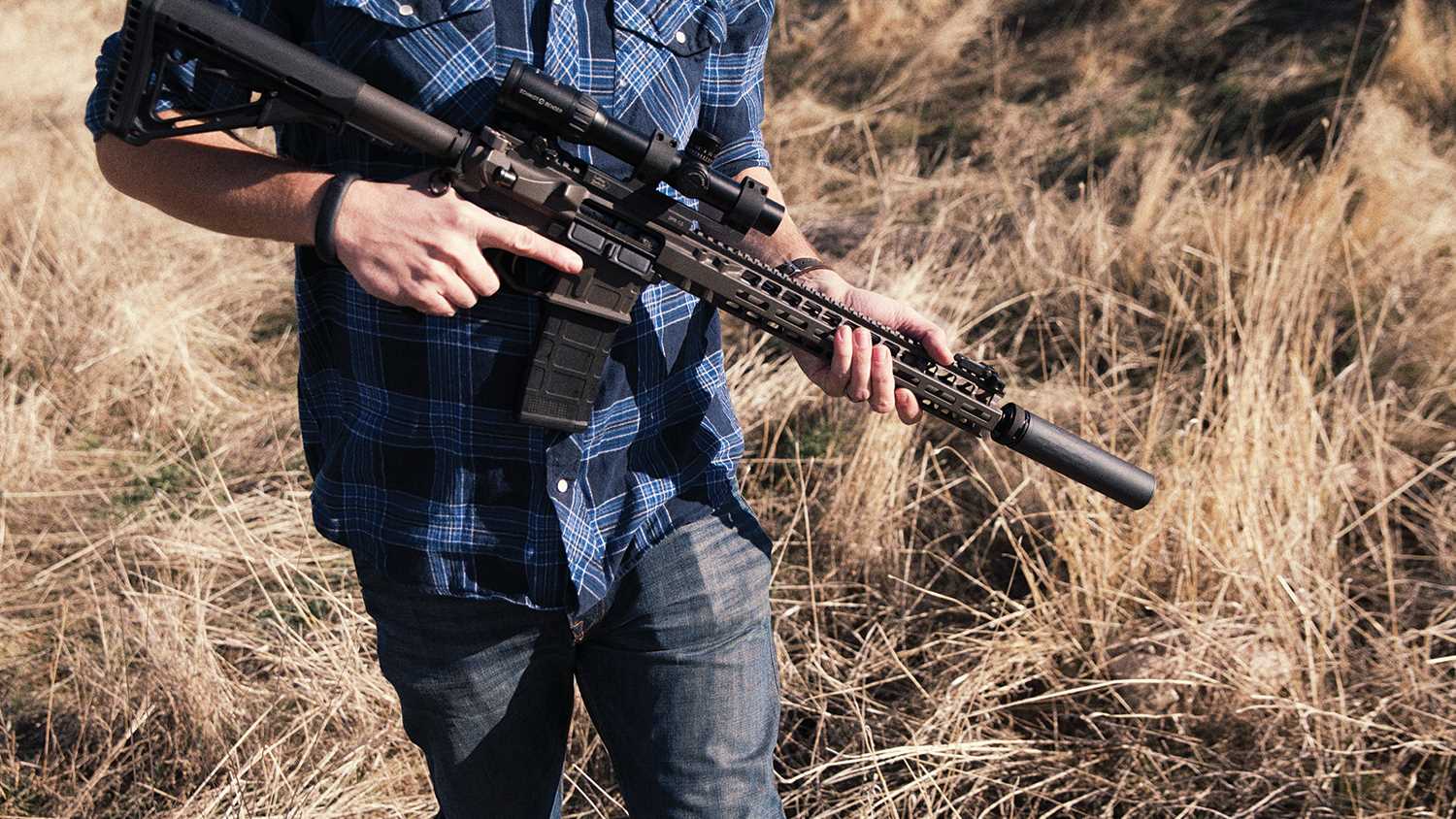
The ruling addresses three categories of NFA-regulated arms:
- Suppressors (sound suppressors/silencers)
- Short-barreled rifles (barrel under 16 inches)
- Short-barreled shotguns (barrel under 18 inches)
Hendrix's decision rests on the absence of federal excise taxes on these items. Without the tax mechanism that originally justified the NFA's regulatory scheme under the Taxing Clause, the judge found the registration and approval requirements stand without constitutional authority. The ruling does not address other NFA items such as machine guns, destructive devices, or AOWs.
Why It Matters for Gun Owners
If this decision survives appeal—a major open question—suppressors, SBRs, and SBSs could enter a legal gray zone or potentially move outside federal registration entirely. Gun owners currently holding Form 4 approvals, registered SBRs, or suppressor trusts will watch appellate courts closely. The practical immediate impact depends on whether the government files an emergency stay or appeal, which would freeze the ruling's effect pending higher review. Owners should not assume their registered items become unregistered; the legal status of existing approvals remains unsettled. Manufacturers and dealers will face uncertainty about whether to modify production and sales practices pending appellate action.
DownRange Analysis
Hendrix's reasoning targets the tax foundation specifically, not the Second Amendment directly—a narrow but potentially powerful constitutional hook. The decision doesn't invoke Bruen or historical-tradition analysis, instead attacking Congress's enumerated powers. That distinction matters: an appeals court could affirm on tax law grounds without expanding Second Amendment jurisprudence. The NFA has survived constitutional challenges for 92 years; this is the first federal court to strike down any portion. Expect an appeal to the Fifth Circuit. Gun owners should prepare for a multi-year legal battle and avoid relying on this ruling for compliance decisions until a higher court speaks. The suppressor industry may see this as permission to lobby for legislative repeal of the tax—potentially a more durable win than court action.