Hollywood's Armorer Crisis Stems from Skill Gaps and Pressure
Movie armorers routinely fail at basic firearm safety because they lack real operational experience. A former professional firearms operator who consulted on film sets explains the gap between Hollywood's gun handling and actual standards that keep people alive.
The job title sounds perfect on paper: armorer. It combines firearms expertise with filmmaking. Reality tells a different story. Most Hollywood armorers enter the industry through props departments or acting backgrounds, not through serious gun training. They learn on the job. That approach kills people.
Set pressure accelerates mistakes. Directors demand faster shooting sequences. Producers cut safety budgets. Armorers rush. Safety protocols become negotiable items rather than non-negotiable rules. A consultant trained in actual weapon systems sees red flags that production teams ignore because they cost time or money.
Why It Matters for Gun Owners
What happens on movie sets sends messages to millions of viewers. Bad firearm handling in films normalizes dangerous practices. Casual actors and crew members watching unsafe gun work internalize those mistakes as acceptable.
Gun owners know that every firearm is always loaded. Muzzle discipline is non-negotiable. Finger off trigger until you press it intentionally. These rules aren't suggestions—they're the foundation of staying breathing and keeping others breathing.
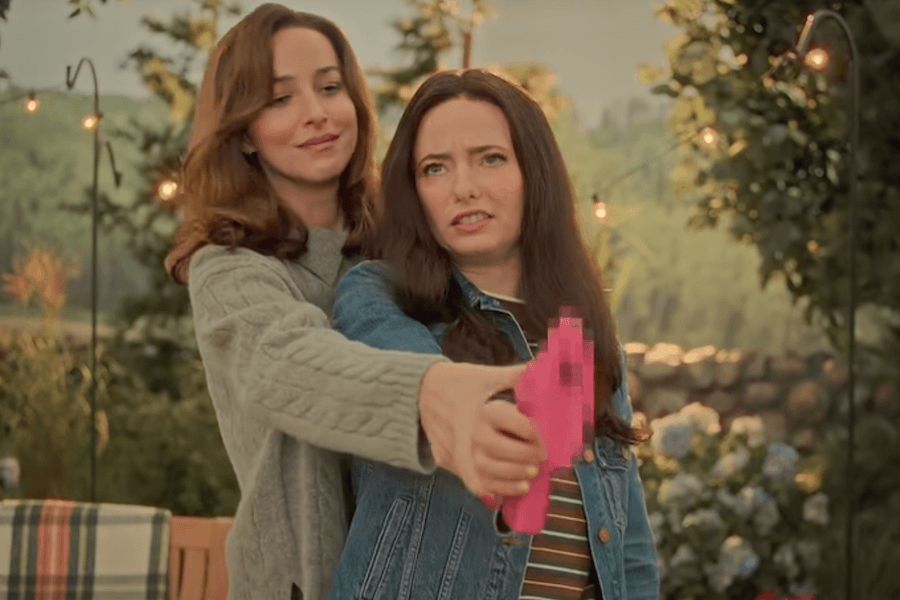
Hollywood consistently violates all three. Actors point guns at camera operators and crew. They finger bang triggers during takes. Prop guns get treated like toys between scenes. Real gun owners watch this happen on screens watched by 100 million people and recognize the liability spreading.
The Alec Baldwin shooting crystallized the problem. A working professional armorer should have prevented that incident through basic safety procedures. The fact that it happened on a major film set proves the industry doesn't take firearms seriously. Gun owners get blamed for carelessness. Hollywood armorers actually practice it.
Background
Armoring for film requires specific skill sets. You need to understand weapons mechanics, ballistics, and how ammunition behaves on camera. You need to know how to safe weapons between takes. You need to enforce rules that nobody else wants enforced because they slow production.
Most armorers start with zero formal firearms training. They learn from other armorers who also started with zero training. Knowledge degrades through each generation. Bad habits compound. Safety margins erode.
Compare this to how the military handles weapons. Every service member completes basic firearms safety. Every officer enforces it. Every violation gets addressed. Chain of custody is documented. Weapons get inspected. The system isn't perfect, but it's infinitely better than Hollywood's approach.
Professional gun consultants brought to sets—actual operators from military or law enforcement backgrounds—immediately spot problems. They see armorers handling firearms unsafely. They see crew members standing in crossfire positions. They see ammunition stored incorrectly. When they flag these issues, producers override them to save money or time.
DownRange Bottom Line
Hollywood doesn't respect firearms. The industry proves this every time a camera rolls. Gun owners face regulation and criticism based partly on how negligently these industries handle weapons on screen.
Until studios hire actual certified firearms instructors as armorers—not props guys who picked up a gun five years ago—expect more incidents. The system is broken. Gun owners should demand better. Safer films protect everyone, including the crew standing downrange of someone learning gun safety wrong.