Dhillon's Second Amendment Section Takes Fight to States
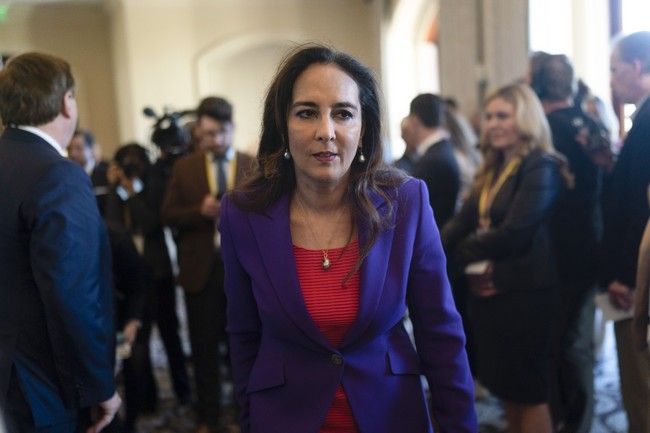
Harmeet Dhillon, head of the DOJ Civil Rights Division, established a dedicated Second Amendment Section within her division to directly confront state and local governments restricting gun rights. The move marks a coordinated federal strategy to challenge restrictions across jurisdictions rather than responding reactively to individual cases.
Key Details
- Dhillon has positioned the Second Amendment Section as an enforcement arm against state-level carry bans, magazine limits, and licensing schemes.
- The unit targets municipal and state governments attempting to restrict constitutional rights through regulation.
- This represents a departure from previous administrations that treated Second Amendment cases as lower-priority civil rights matters.
Why It Matters for Gun Owners
For years, gun owners in blue states watched federal civil rights enforcement ignore systematic carry restrictions and licensing discrimination. The Section's creation means federal resources now fight cases affecting millions: California's may-issue licensing, New York's social need requirements, Illinois' concealed carry denial tactics, and similar schemes in Massachusetts, New Jersey, and Maryland. Practically, this signals that Second Amendment challenges to state laws will face federal opposition instead of state attorney general cooperation. Owners in restricted states should expect accelerated litigation and potential relief through DOJ intervention in existing lawsuits or new federal cases targeting whole categories of restrictions.
DownRange Analysis
Post-Bruen, state governments shifted tactics from outright bans to licensing manipulation and venue restrictions. A dedicated federal Section acknowledges this reality and applies prosecutorial pressure consistently. However, the viability of this strategy depends entirely on the next administration. Previous DOJ civil rights divisions actively defended state restrictions. Gun owners shouldn't assume institutional permanence—legislative protections like national permitless carry or licensing reform bills matter more than any single agency head. Still, current momentum creates a window for challenging years of accumulated state overreach before 2028.