Iowa Voters Cement Gun Rights Into State Constitution
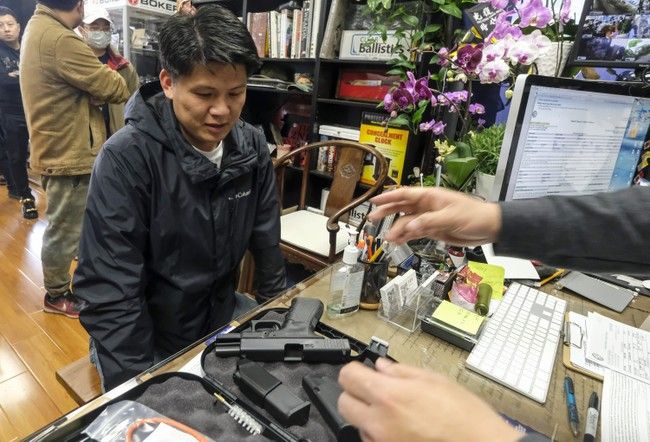
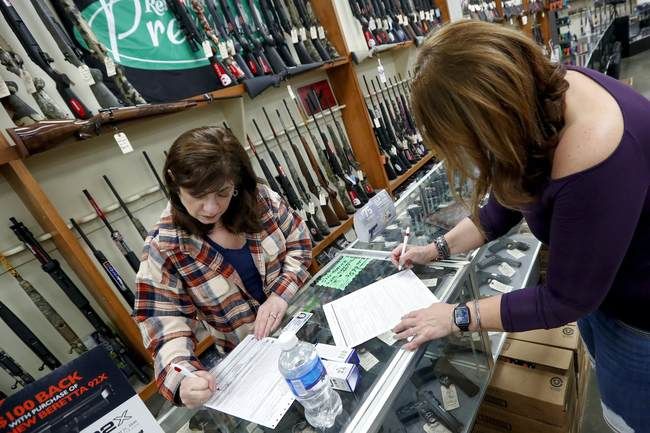
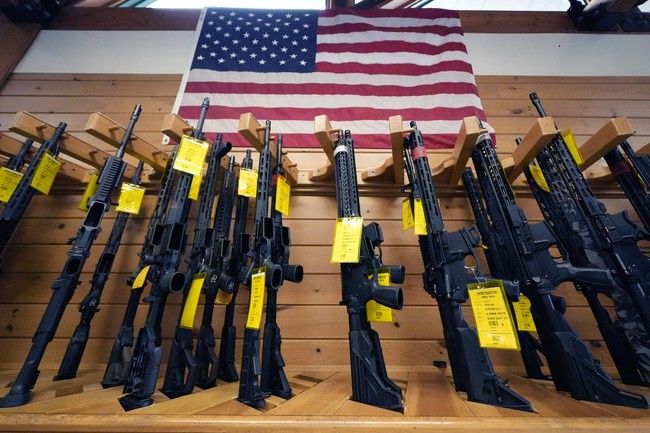
Iowa passed a constitutional amendment in 2022 declaring firearm ownership a fundamental individual right and mandating that courts apply strict scrutiny to any firearm regulation. This follows the state's adoption of permitless carry in 2021. Together, these changes position Iowa as one of the strongest Second Amendment states in the nation, forcing legislators and courts to justify any new gun restrictions with compelling state interest rather than allowing intermediate scrutiny.
Key Details
- 2021: Iowa enacted permitless carry, allowing law-abiding citizens to carry concealed without a permit.
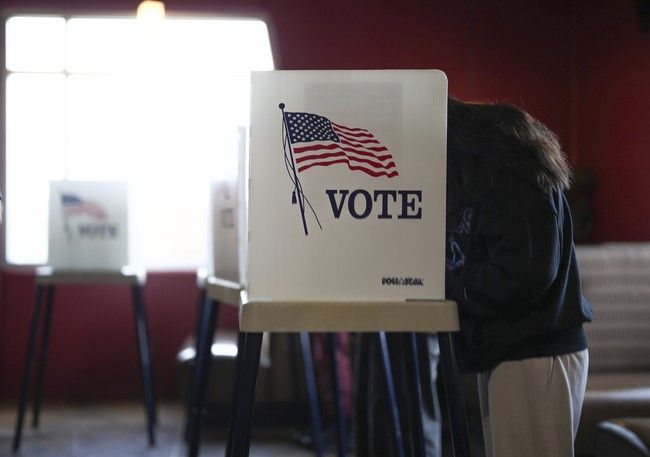
- 2022: Voters approved constitutional amendment declaring gun ownership a fundamental right and requiring strict scrutiny judicial review.
- Strict scrutiny standard: Any gun law must survive the highest level of constitutional review, meaning the state must prove a compelling interest and that the law is narrowly tailored to achieve that interest.
- Iowa joins a growing number of states implementing constitutional carry and strict scrutiny protections post-Bruen.
Why It Matters for Gun Owners
Iowa gun owners now operate under one of the most protective legal frameworks in America. Permitless carry means no government registry, no waiting periods, and no subjective approval process for concealed carry. The constitutional amendment blocks future legislatures from quietly restricting gun rights through incremental regulations. If Iowa passes a new gun law, courts must apply the same rigorous test used for First Amendment cases—the state cannot simply claim public safety and expect approval. This benefits Iowa residents who carry daily, compete, or collect firearms by establishing a legal floor that cannot be undermined by hostile future administrations or shifting court compositions.
DownRange Analysis
Iowa's approach mirrors post-McDonald v. Chicago strategy: embed gun rights in state constitutions where they're harder to overturn than statutory law. The strict scrutiny mandate is particularly significant because it prevents courts from deferring to legislative judgment on gun policy—a constant threat in anti-gun states. However, Iowa gun owners should remain vigilant. Even strict scrutiny has limits. A crafted ban on a specific mechanism or firearm type could theoretically survive if the state invokes strong enough evidence and narrowness. Watch for federal pressure and litigation strategy from anti-gun organizations testing the amendment's boundaries. Iowa's model is now a target.