Digital Rights Groups Join Gun Owners Against Printer Regulations
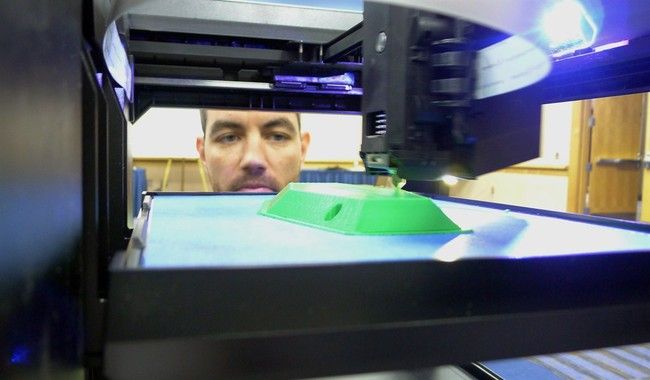
Federal proposals to restrict 3D printer capabilities have united the firearms community with digital rights advocates, privacy lawyers, and civil liberties organizations. The emerging coalition argues that printer regulations represent dangerous government overreach extending far beyond firearms manufacturing. Critics warn these rules could chill innovation, violate property rights, and establish precedents for controlling other manufacturing technologies.
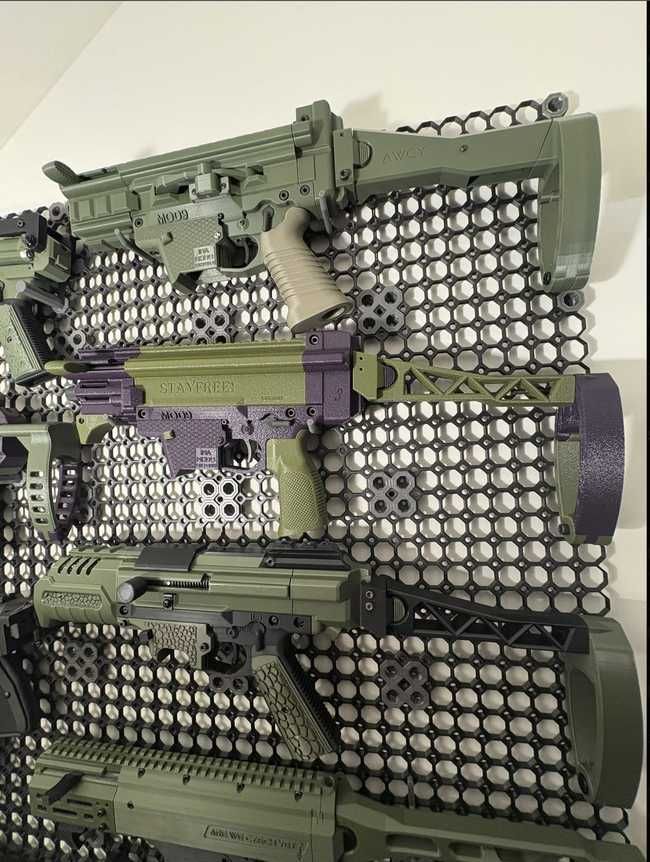
The regulatory push targets printer firmware and software restrictions. Advocates fear such controls will restrict what citizens can legally manufacture in their homes. The concern isn't limited to gun parts—it encompasses medical devices, replacement components, tools, and consumer goods.
Why It Matters for Gun Owners
Gun owners understand the stakes clearly. Restrictive printer regulations threaten manufacturing freedom and self-sufficiency. If government successfully regulates printers to prevent firearm production, legal challenges become exponentially harder. Second Amendment advocates see this as a backdoor approach to disarming citizens through technology control rather than direct legislation.
But the broader coalition strengthens resistance. When civil liberties attorneys, tech entrepreneurs, and privacy advocates join firearms manufacturers and shooting organizations, the political calculus shifts. Legislators face opposition from constituencies beyond traditional gun-rights groups. This creates real friction in regulatory proceedings.
Printer makers themselves oppose the rules. Manufacturers argue that firmware restrictions harm legitimate business. Medical companies need 3D printing for surgical guides and dental applications. Engineers use printers for prototyping. Hobbyists create art and useful household items. Blanket restrictions punish lawful users and stifle innovation.
For daily carriers and shooting community members, the message is clear: watch this space. Printer technology directly intersects with manufacturing rights. Losing printer freedom today means losing manufacturing autonomy tomorrow.
The Broader Digital Rights Argument
Privacy advocates warn that printer restrictions establish dangerous precedent. If government successfully mandates software controls on manufacturing devices, what other technologies follow? 3D printers represent a keystone technology. They enable distributed manufacturing and reduce dependence on corporate supply chains.
Digital rights organizations argue that restricting what printers can produce violates property rights. Citizens should control what they own. Mandated firmware limitations transfer control from owners to manufacturers and government regulators. This principle extends far beyond firearms. The same argument applies to computers, smartphones, and industrial equipment.
Regulatory creep concerns are legitimate. Today's printer restrictions inspire tomorrow's computer restrictions. Once government establishes authority to control manufacturing at the firmware level, scope expands incrementally. Technology companies would face pressure to block unpopular uses across platforms.
Constitutional scholars identify First Amendment implications. Code represents speech. Restricting code functionality restricts expression. These legal arguments resonate with civil liberties groups historically uninvolved in firearms debates.
DownRange Bottom Line
Gun owners shouldn't view 3D printer regulations as isolated to firearms manufacturing. This fight connects to broader manufacturing freedom and property rights. The coalition forming around printer regulations includes unlikely allies: digital rights lawyers, tech entrepreneurs, privacy advocates, and civil liberties organizations. Strength comes from this diversity.
Federal regulators face serious legal and political opposition. Success requires building and maintaining this coalition. Gun owners benefit from supporting digital rights arguments beyond firearms context. When we defend manufacturing freedom generally, we defend Second Amendment rights specifically.
Watch regulatory proceedings closely. Printer regulations will face court challenges. Support constitutional arguments about property rights, manufacturing freedom, and limits on government control. The fight over 3D printers affects shooting community interests directly and constitutional rights broadly.