Suppressors Under Six Inches Now Standard Issue for AR Owners
Short-can suppressors have replaced full-size models as the default choice for 5.56 shooters in just five years. Walk into any gun shop today and you'll find more K-cans under six inches than traditional eight-plus-inch suppressors. This shift reflects real-world carrier preferences: shooters want less length on their rifle rails and faster sound reduction without dragging suppressor weight.
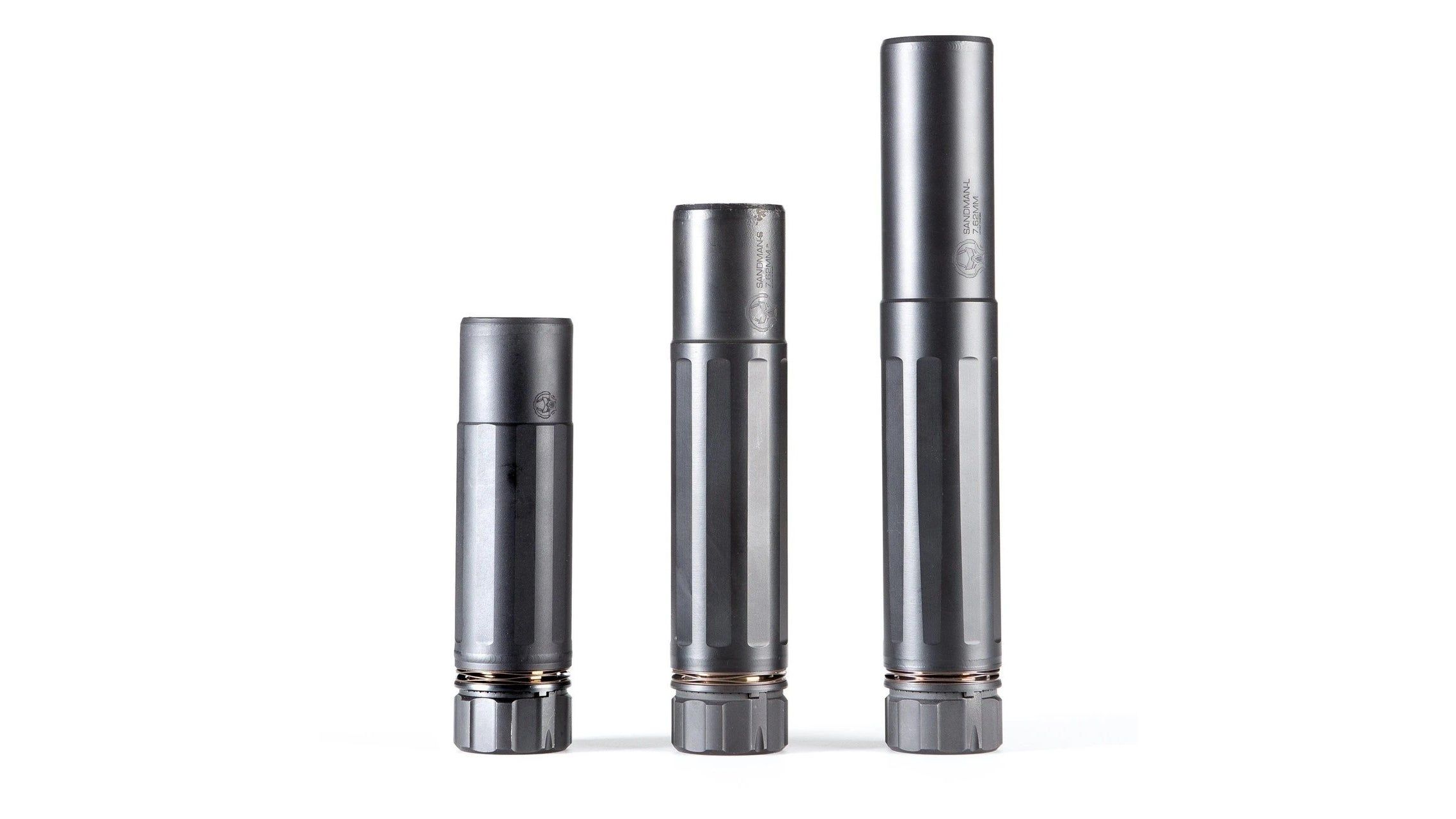
The trend accelerated hard after 2019. Manufacturers now offer compact 5.56 cans from SureFire, Dead Air, AAC, and Surefire in abundance. These units typically run 5.5 to 5.8 inches long and weigh 7-9 ounces. The trade-off is sound suppression—K-cans deliver 130-135 dB versus 125-128 dB for longer suppressors. That matters at the range and in the field.
Why It Matters for Gun Owners
Shorter suppressors solve a real problem: maneuverability. A 16-inch rifle with a six-inch can extends past eight inches beyond the muzzle. Add sights and a weapon light, and your gun becomes unwieldy in vehicles, tight spaces, and close-quarters drills. Shorter hardware also shifts weight forward less, keeping the gun balanced.
But here's the hard truth: shorter cans sacrifice decibel reduction. If you shoot unsuppressed regularly at 140+ dB, dropping to 135 dB through a K-can still hammers your hearing. You still need ear protection. The marketing myth that K-cans let you hear better after shooting is false. Physics doesn't bend for marketing.
For daily carriers, shorter cans make sense if you prioritize rifle handling over maximum sound reduction. If you shoot from a bench or stationary position, a full-size can works better. Most shooters fall somewhere in the middle—they want compact enough for carry, quiet enough for indoor ranges.
Price matters too. A solid K-can runs $400-500 new. Full-size suppressors cost $350-450. You pay more for less. But if short length prevents you from running a suppressor at all, the extra cost is justified.
Background
Suppressors themselves aren't new. SilencerCo and AAC pushed the market hard in the 2010s. But suppressor culture stayed niche until AR-15 popularity exploded and shooting sports grew. Once suppressors hit mainstream, manufacturers competed on what shooters actually wanted: compact form factors.
The shift mirrors trends in tactical gear broadly. Shooters demanded shorter stocks, lighter handguards, and smaller red dots. K-cans fit that philosophy—do more with less. Piston-driven short-stroke designs also improved, making compact suppressors more reliable than early generations.
Hearing protection remains the real issue. OSHA says 85 dB is safe for eight hours. Gunfire tops 155 dB. A K-can at 135 dB still requires double hearing protection for extended range sessions. That hasn't changed, despite marketing that implies otherwise.
DownRange Bottom Line
Short suppressors work for modern carry rifles. They're proven, reliable, and offer real handling advantages. But understand what you're trading: measurable sound reduction. If you shoot primarily indoors, shoot frequently, or care most about hearing health, invest in a full-size can.
If you want a shorter gun that handles fast and still reduces noise acceptably, K-cans deliver. Just run quality double hearing protection and don't believe the hype about hearing conversation through a suppressor. That's fiction. Get what fits your mission, test it at your range, and run what works for your ears and your rifle setup.