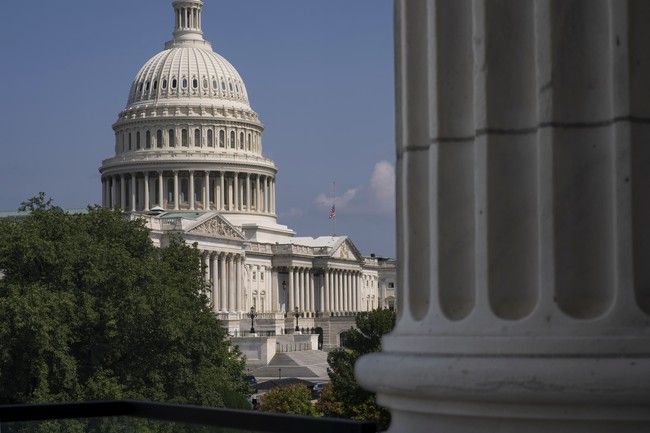
Senate Proposes National Carry Reciprocity—But Legal Experts Question the Path
The Senate introduced fresh carry reciprocity legislation designed to force states to recognize concealed carry permits issued in other jurisdictions. The bill attempts to address a core inconsistency: gun owners lose constitutional protections at state borders while other fundamental rights travel freely. No permit is required to speak in another state, worship in another state, or exercise due process rights across state lines—yet concealed carry remains fragmented by 50 different legal regimes.
Key Details
- The proposal mandates interstate reciprocity for concealed carry permits, creating a federal standard for permit recognition.
- Current law allows states to reject permits from other jurisdictions, effectively criminalizing lawful carry across borders.
- The bill directly challenges the principle that the Second Amendment can be regulated differently based on geography.
- Supporters cite the inconsistent treatment of enumerated rights; critics argue federal overreach into state licensing schemes.
Why It Matters for Gun Owners
For carry-permit holders, this bill addresses a practical nightmare: a valid permit in Texas becomes worthless in New York or California. Travelers, business owners, and citizens who move between states face constant legal jeopardy. The current system creates de facto Second Amendment denial for millions. However, passage requires navigating congressional gridlock and faces state sovereignty objections from Democratic-controlled legislatures protective of existing restrictions. Even if enacted, expect immediate constitutional challenges from anti-gun states claiming federal overreach.
DownRange Analysis
The Bruen problem is real. Since New York State Rifle & Pistol Association v. Bruen (2022), the Court has rejected blanket categorical bans but hasn't yet ruled on whether federal reciprocity mandates survive constitutional scrutiny. The bill's strength depends on whether courts view it as enforcing the Second Amendment at the federal level (likely constitutional) or as federal commandeering of state licensing authority (vulnerable to federalism challenges). Gun owners should monitor this bill's progress, but reciprocity through litigation—forcing states to justify denials under Bruen's historical-tradition test—may prove faster than Senate passage. Stay armed and informed.