Wisconsin Range Dismantles Four License Plate Cameras After Shooter Backlash
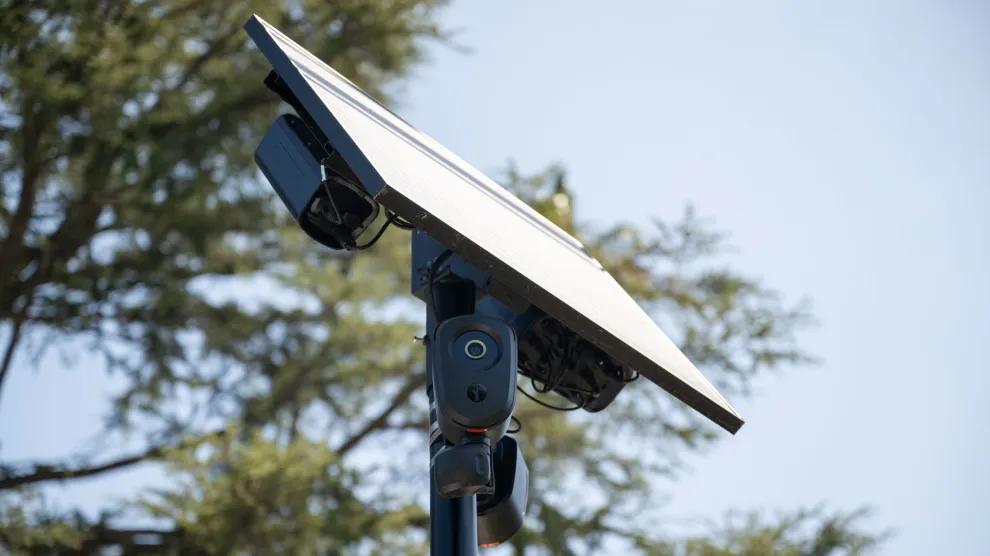
A Wisconsin gun range removed its entire Flock automated license plate recognition (ALPR) system after customers discovered the four-camera network was logging every visitor's vehicle data. The range installed the surveillance infrastructure to combat parking lot theft, then faced immediate revolt from shooters unwilling to surrender location intelligence just to practice their Second Amendment rights.
Flock's ALPR cameras photograph every license plate entering and leaving the property, creating permanent digital records linked directly to individual gun owners. That data doesn't disappear. It persists in corporate databases, gets sold to law enforcement agencies, and becomes discoverable in civil litigation. For shooters, it represents a permanent trail proving they visited a firearms facility—ammunition prosecutors or hostile future administrations could weaponize.
Wisconsin gun owners rejected the tradeoff immediately. The range capitulated and removed all four cameras rather than lose customer trust. No details emerged about how long the surveillance operated before removal or what volume of shooter data Flock collected during deployment.
Why This Matters for Gun Owners Today
This incident exposes a critical vulnerability in shooting community infrastructure. Ranges occupy the intersection of operational security and customer privacy—and most ranges don't understand the stakes.
ALPR systems create what privacy researchers call "associational data." Your license plate links you to a specific location at a specific time. Flock retains this information indefinitely. Law enforcement requests it routinely. Civil attorneys subpoena it. Data breaches happen. Hostile actors target gun owners for harassment, property theft, and violence. Adding a timestamped record of your range attendance creates a vulnerability that extends far beyond parking lot security.
The Wisconsin case proves gun owners will enforce their own privacy standards. This wasn't regulatory action or legislation. Customers simply refused to accept surveillance as the price of entry. That accountability matters.
If your range installs ALPR cameras, security gates with facial recognition, or any surveillance pointed at public areas: demand written policies on data retention, law enforcement access, deletion timelines, and breach notification. Ask whether footage can be subpoenaed. Ask who owns the data infrastructure. If management can't answer clearly, don't walk in.
Background: How ALPR Became a Gun Range Tool
Flock Safety markets ALPR to property managers as theft prevention. The technology works: cameras photograph plates, run them against hotlists of stolen vehicles, and alert owners to suspicious activity. For parking lots near commercial districts, it's effective.
But gun ranges aren't commercial office parks. Shooters have legitimate reasons to expect discretion. Previous administrations prosecuted gun owners based on range attendance records. Anti-gun advocacy groups have attempted to obtain shooter databases from ranges. Privacy isn't paranoia—it's operational necessity in the current political environment.
The Wisconsin range made a common mistake: treating shooter privacy as a secondary concern. Operational security matters. But not when it trades shooter privacy for marginal theft reduction. The range learned that lesson publicly.
DownRange Bottom Line
This Wisconsin case sets important precedent: ranges cannot unilaterally deploy surveillance on shooters without accepting customer accountability. Wisconsin gun owners enforced that standard through refusal. They won.
If your range is considering ALPR, facial recognition, or expanded surveillance, attend their next membership meeting and ask hard questions about data handling. Bring other shooters. Make clear that privacy isn't negotiable. Ranges exist to serve shooters, not surveille them. Wisconsin proved that pressure works.