Suppressors Actually Improve Rifle Accuracy—Here's Why
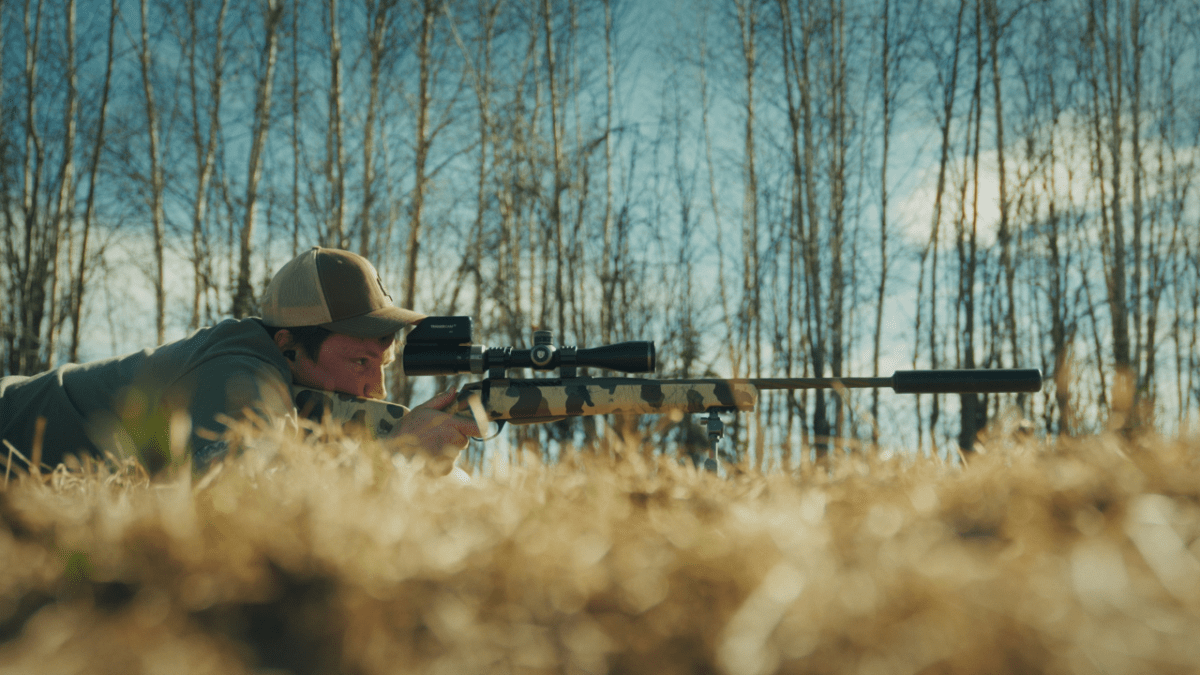
Suppressors reduce muzzle rise and recoil impulse, which measurably improves rifle accuracy for many shooters. Ballistic testing confirms that sound suppressors don't harm accuracy—they enhance it by stabilizing the barrel during firing and reducing the upward thrust that throws off sight picture and follow-up shots. The myth that suppressors degrade accuracy persists among shooters who confuse the unfamiliar shooting experience with actual performance loss.
Key Details
Recoil management is the primary accuracy gain. A suppressor adds weight to the muzzle and absorbs gas energy, both of which reduce felt recoil and barrel whip. This means less muzzle rise between shots, faster sight recovery, and better consistency across multiple rounds.
Weight and balance matter. The suppressor's forward mass changes the rifle's balance point, which can actually smooth out recoil behavior when properly mounted. This effect is most pronounced in intermediate and rifle cartridges where recoil energy is significant.
The learning curve creates confusion. Shooters unfamiliar with suppressed fire often report feeling like their accuracy dropped, primarily because the reduced report and recoil feedback change their sensory perception of the shot. Once acclimated, most shooters shoot tighter groups suppressed than unsuppressed.
Why It Matters for Gun Owners
If you shoot suppressed—whether for hearing protection, courtesy to neighbors, or tactical application—understand that your suppressor is a legitimate accuracy asset, not a liability. Hunters can rely on suppressed rifles for ethical, consistent shot placement. Tactical shooters benefit from faster follow-up accuracy when recoil is managed effectively. Competition shooters using suppressed divisions will see measurable improvement in group size once they train through the adaptation period. Home defenders using suppressed rifles gain hearing protection without sacrificing accuracy when it counts. The practical takeaway: buy quality suppressor hardware, mount it properly, and shoot it enough to become comfortable with the different feedback. Your groups will prove the math.
DownRange Analysis
This matters because suppressors remain federally regulated under the National Firearms Act despite mounting evidence they serve legitimate hearing protection purposes, not just tactical concealment. The accuracy data strengthens the case for suppressor availability—hunters and sport shooters benefit from better performance, not just quieter shooting. As more shooters test suppressors and confirm the accuracy advantage, the argument that they're purely tactical devices weakens further. Expect this data point to surface in future 2A litigation around NFA restrictions. For now: if you own suppressed rifles, train with them enough to confirm your own accuracy improvements. That experience becomes valuable testimony if Congress ever debates suppressor regulation again.