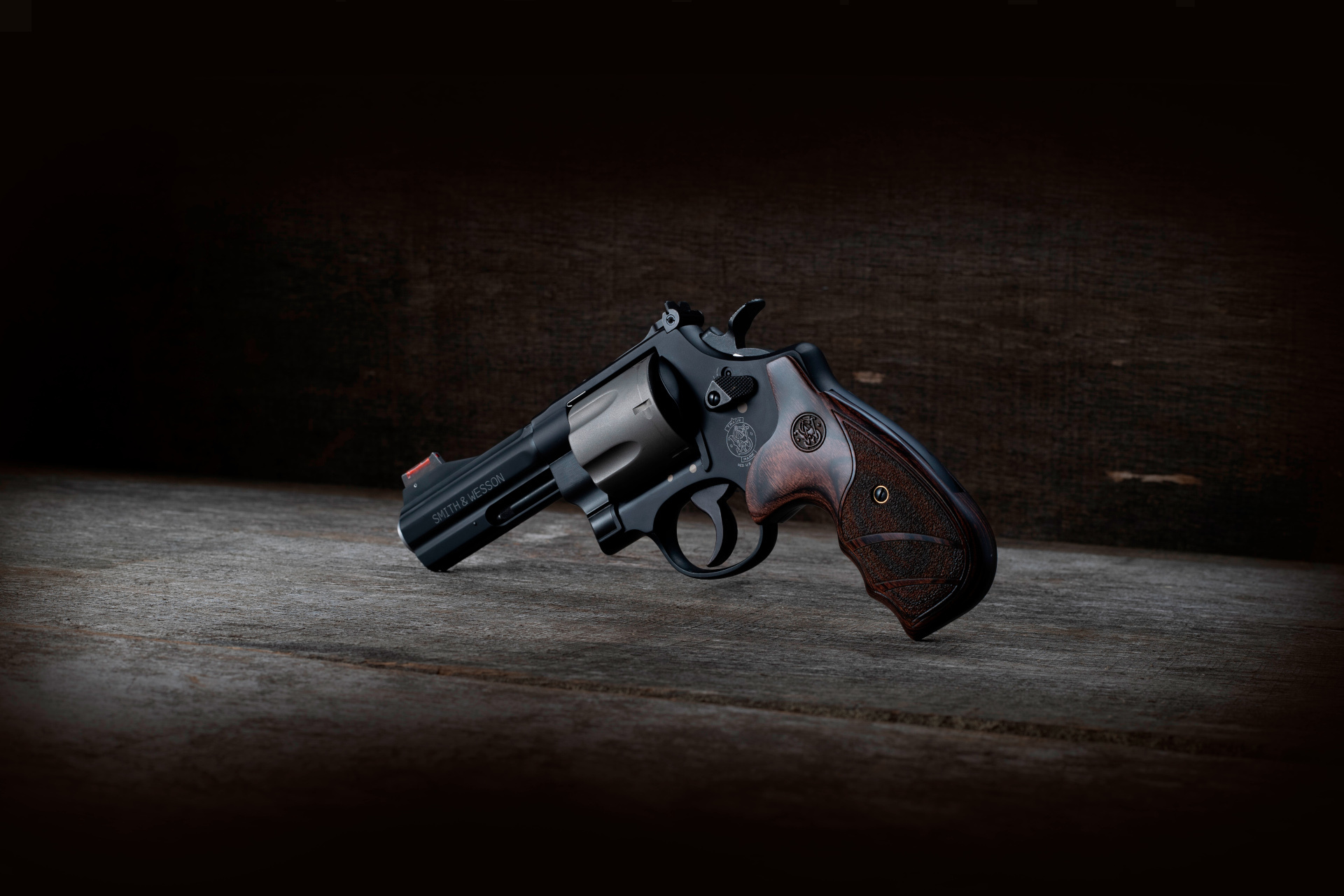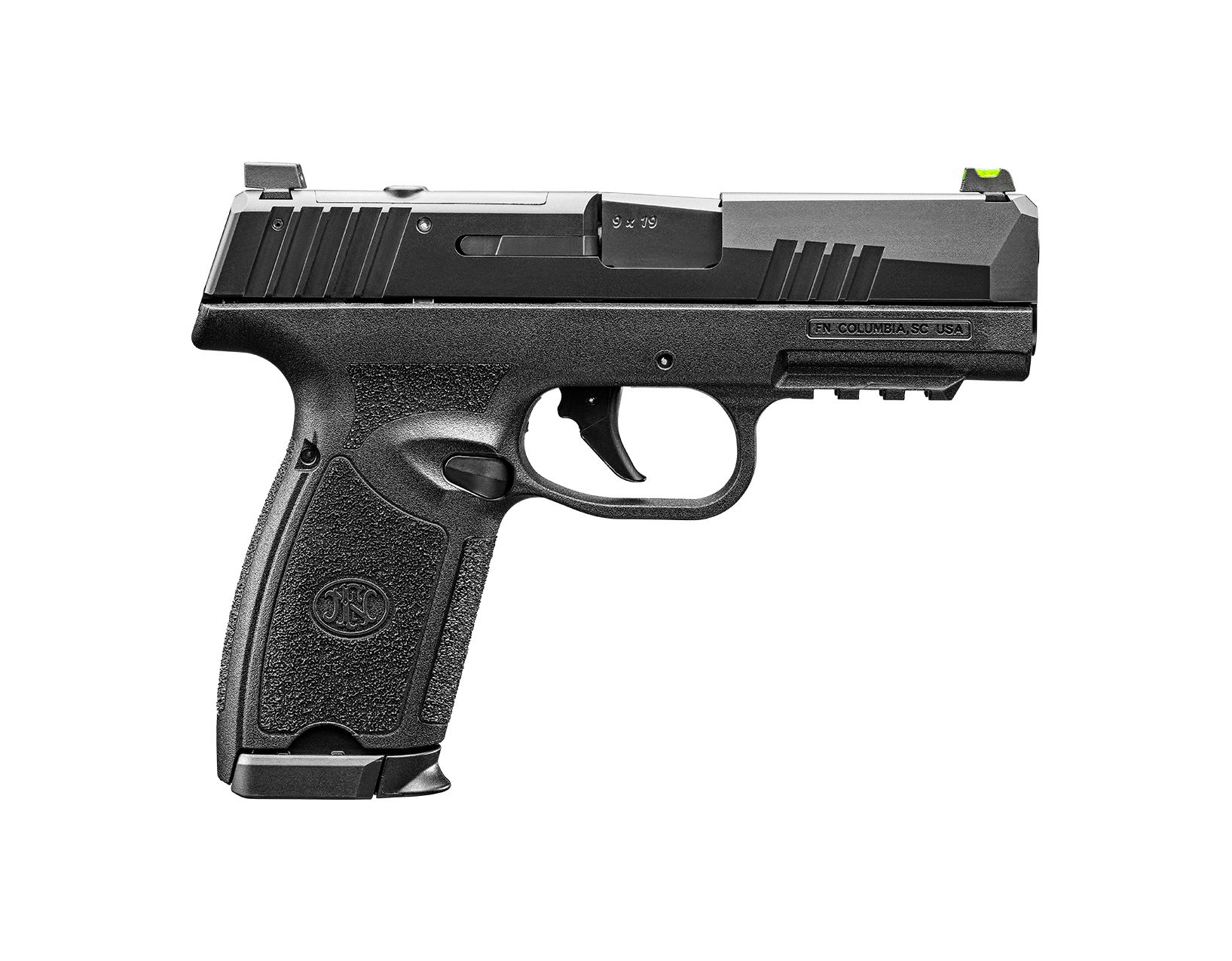
2026 New Handgun Landscape
Every January, the firearms industry signals its priorities through product releases and announcements. The 2026 handgun slate reflects what manufacturers believe serious shooters actually want: refinement over revolution, modularity where it counts, and reliability-first engineering across price points.
What's Driving New Development
Concealed-carry shooters continue demanding lighter, more ergonomic packages without sacrificing capacity or shootability. Competition shooters are pushing for tighter tolerances and aftermarket support. Law enforcement agencies are evaluating next-generation duty platforms with modular grip frames and improved ergonomics. These three markets—carry, competition, duty—are driving distinct product families rather than one-size-fits-all designs.
Key Segments to Watch
Mid-size duty pistols remain the category's anchor. Manufacturers are fine-tuning recoil impulse, improving sighting systems, and refining trigger breaks in the 3.5-4.5 inch barrel range. Compact concealed-carry guns are shrinking slightly while maintaining capacity, a mathematical challenge some makers are solving through single-stack magazine geometry and optimized round counts.
The subcompact category—pistols under 6.5 inches overall—continues fragmenting. Some builders are prioritizing concealability; others are optimizing for shootability with minimal size penalty. Grip angle, thumb safety placement, and de-cock lever positioning vary widely, reflecting market segmentation by carry method and shooter preference.
Modular platforms are gaining traction. The ability to swap slides, barrels, or grip modules appeals to shooters who want one gun to serve duty, training, and carry roles. Frame commonality across calibers (9mm, .40 S&W, .45 ACP variants on identical frames) reduces cost and training friction in professional environments.
Caliber Trends
9mm dominance accelerates. Modern ammunition performance has shifted ballistics calculus, and 9mm's lower recoil, higher capacity, and reduced cost make it the default for carry and competition. .45 ACP remains strong in certain professional circles and among shooters who prioritize proven terminal performance. .40 S&W holds its niche but is no longer the growth driver it once was.
Sighting Systems and Ergonomics
Pistol-mounted optics integration is moving from optional to expected on duty and competition models. Co-witness iron sights remain standard, but the optics cut locations are becoming standardized. Manufacturers are also refining grip texture, beaver tail design, and magazine-well geometry based on thousands of hours of real-world feedback.
Trigger tuning—shorter reset, crisper break, reduced slack—appears on 2026 releases at multiple price points. This reflects the influence of competition shooting on duty and carry design. Shooters now expect lighter, more predictable trigger performance even in carry guns.
Materials and Manufacturing
Stainless steel slides and frames continue in premium offerings. Nitride and PVD finishes are now standard on mid-tier models, improving durability and reducing maintenance burden. Some manufacturers are experimenting with polymer frames that maintain metal-on-metal trigger groups and fire control assemblies, balancing weight savings with reliability expectations.
Who These Guns Are For
Concealed-carry shooters benefit from lighter, more ergonomic designs that don't sacrifice capacity. Competitive shooters gain tools optimized for speed and accuracy with reliable optics mounting. Law enforcement agencies have access to modular platforms that standardize training across departments. Training-focused consumers get reliable, feature-rich platforms at accessible price points.
The Bottom Line
The 2026 handgun market isn't chasing revolutionary changes. Instead, it reflects maturation: proven platforms refined through feedback, ergonomic lessons from competition applied to duty and carry, and manufacturing precision reaching expected standards across price ranges. For serious shooters, the 2026 landscape offers more options, better ergonomics, and improved reliability than ever before. The challenge isn't finding a quality option—it's narrowing down which one fits your specific mission.