Introduction
The Glock Gen 6 arrives at a critical juncture in the striker-fired pistol market. With competitors aggressively marketing ergonomic customization and control refinement, Glock has responded with the most comprehensive redesign since the Gen 4 transition. Rather than the Gen 5's conservative tweaks, this platform overhaul signals the manufacturer's commitment to addressing long-standing ergonomic complaints from the duty and competition communities.
What's Changed
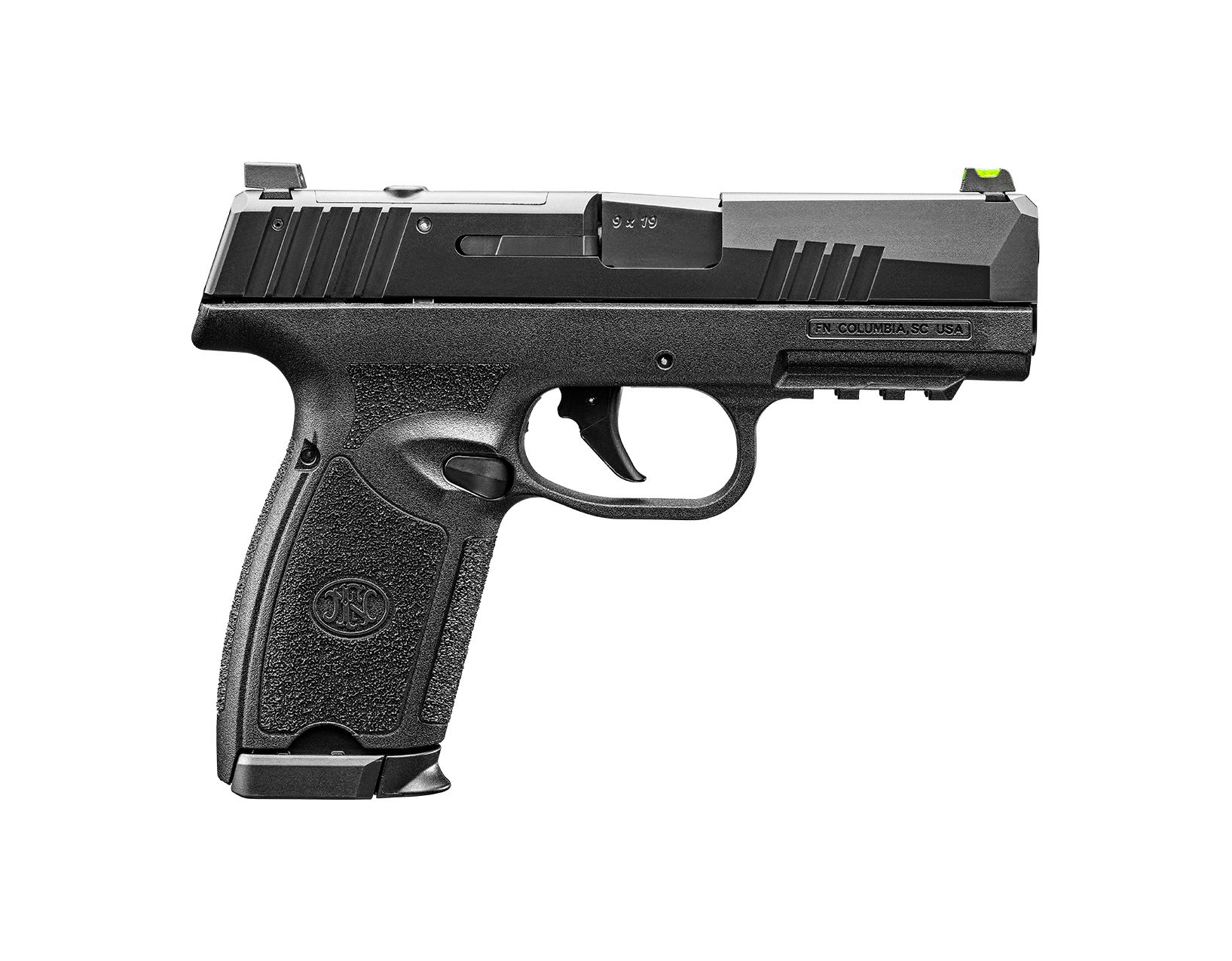
Gen 6 incorporates a revised grip texture strategy, moving away from Gen 5's aggressive stippling toward a more modulated surface that balances purchase and comfort. The magazine well geometry has been optimized for faster, more intuitive reloads—a direct response to competitor platforms like the Smith & Wesson M&P and Sig Sauer P320. Control placement receives attention as well, with refined lever geometry intended to improve manipulation under stress.
Internal refinements focus on trigger consistency and reset characteristics. While maintaining the Glock Safe Action system, Gen 6 engineering targets reduced over-travel and improved tactile feedback. Spring rates and connector geometry have been revisited to deliver what Glock describes as enhanced performance across varied duty loads and ammunition types.
Duty and Defensive Considerations
For law enforcement and defensive carriers, Gen 6 represents meaningful evolution without abandonment of the institutional knowledge accumulated across millions of Gen 3, 4, and 5 pistols. Holster compatibility remains a critical question, though Glock's track record suggests gradual ecosystem transition rather than overnight obsolescence for existing Gen 5 hardware.
The platform's initial rollout emphasizes full-size and compact frames, with subcompact configurations expected to follow. For departments considering platform consolidation, Gen 6 offers an opportunity to standardize without wholesale replacement of functional existing inventory.
Competition and Market Position
Gen 6 enters a market where Glock's traditional ergonomic limitations have become marketable ammunition for competitors. The M&P M2.0's customizable grip system and Sig's aggressive control refinement have forced Glock's hand. This generation suggests the company is prepared to compete on ergonomic grounds rather than relying exclusively on reliability reputation and institutional preference.
Bottom Line
Glock Gen 6 merits serious evaluation from shooters currently operating Gen 5 or earlier platforms, particularly those in competition or demanding duty roles. The refinements target legitimate friction points—grip texturing, magazine well speed, control geometry—without departing from proven mechanical principles. For carriers with zero Gen 6 experience, platform evaluation should focus on whether the ergonomic updates translate to measurable performance improvement relative to current equipment.
This generation signals Glock's acknowledgment that market leadership requires ongoing refinement, not merely incremental updates. Whether Gen 6 justifies wholesale platform transition remains platform-specific and role-dependent.