AMTAC Tyrant Fixed Blade: Pocket Defense That Actually Works
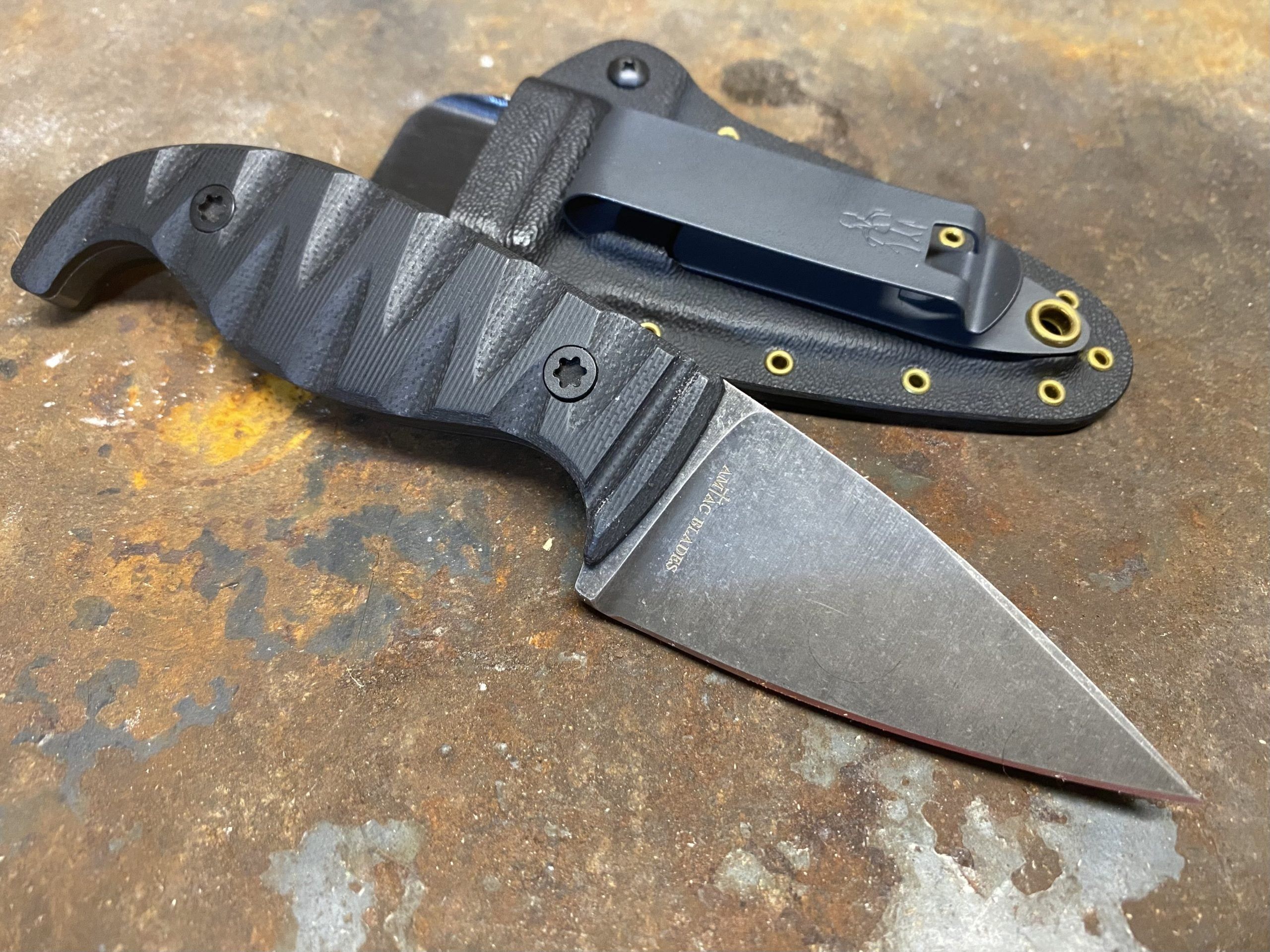
AMTAC Blades introduced the Tyrant, a fixed-blade knife engineered small enough to vanish during a run while remaining purpose-built for immediate close-contact defense. The design addresses a gap most knife carry options ignore: gear that actually stays with you during physical activity without compromising blade capability or accessibility.
Key Details
The Tyrant's profile keeps it off-body-radar during cardio and athletic movement. Fixed blade construction eliminates mechanical failure points that plague folders under stress. The blade geometry prioritizes cutting efficiency in contact situations rather than general utility. AMTAC positioned this as serious self-defense hardware dressed as a training knife.
Why It Matters for Gun Owners
Knife law varies wildly across states, but legal fixed blades remain the most reliable secondary when a gun stays home. Runners, gym-goers, and cyclists face the carry dilemma: leave home defenseless or risk an uncomfortable holster. The Tyrant solves the weight and printing problem—critical when you're in shorts and a light shirt. Carriers in states with moderate blade restrictions can usually run fixed blades under 4 inches without legal exposure. For armed citizens, this fills the gap when a gun doesn't fit the activity. Your EDC strategy should include a legal secondary blade for situations where firearms don't make sense but abandoning self-defense does.
DownRange Analysis
The fixed-blade knife market has exploded because courts recognize legitimate self-defense tools beyond firearms. AMTAC's approach—small, simple, legally defensible—reflects how gun owners actually live. You don't carry a Glock to the gym. A compact fixed blade doesn't replace your carry gun, but it fills a real operational gap that soft-carry solutions miss. The Tyrant sits at the intersection of practical carry weight and actual capability. Whether this specific model wins market share matters less than the trend it represents: serious defensive tools for real-world constraints. Gun owners should evaluate blade options with the same rigor they apply to firearms—legal jurisdiction first, then reliability, then carry comfort.