DOJ Now Challenges Colorado Gun Laws in Federal Court
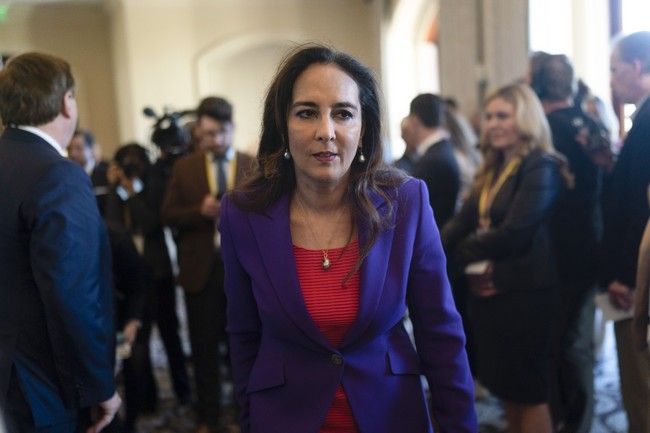
Assistant Attorney General Harmeet Dhillon filed the first coordinated Department of Justice challenge against state gun control laws this year, directly targeting Colorado's firearms restrictions.
Dhillon, confirmed to her post in March 2025, is prosecuting cases arguing Colorado's regulations violate Second Amendment protections. The legal strategy relies on two landmark Supreme Court decisions: District of Columbia v. Heller (2008), which affirmed an individual's right to possess firearms, and New York State Rifle & Pistol Association v. Bruen (2022), which established that gun regulations must align with historical tradition and the nation's founding-era laws.
This represents a fundamental shift in how the federal government enforces gun rights. Previous administrations largely declined to challenge state-level restrictions through DOJ litigation. Dhillon's action signals the current administration views certain Colorado laws as constitutional violations worthy of federal intervention.
Which Colorado Laws Face Federal Challenge
The source documents don't specify which exact statutes Dhillon targeted, but Colorado has enacted several firearms restrictions in recent years. The state passed universal background check requirements, red flag laws, and restrictions on magazine capacity. Dhillon's cases argue these measures exceed what the Constitution permits under Heller and Bruen frameworks.
The Bruen decision significantly raised the bar for state gun regulations. Courts must now examine whether restrictions have historical equivalents in founding-era laws. Many modern gun control measures fail this test because nothing comparable existed in 1791.
Why This Matters for Gun Owners
Federal DOJ litigation changes the playing field for Second Amendment cases. When the Justice Department prosecutes cases, it brings resources and legal firepower that individual plaintiffs and advocacy groups cannot match. A successful federal challenge doesn't just overturn one law—it creates precedent affecting how courts nationwide evaluate similar restrictions.
Gun owners in states with aggressive restrictions now have a powerful ally. Colorado residents challenging magazine limits, permit requirements, or other regulations can point to federal arguments being made in parallel cases. Favorable rulings could cascade across multiple lawsuits simultaneously.
The timing matters too. With a sympathetic administration and Supreme Court, the legal environment for Second Amendment cases has shifted dramatically compared to the previous decade. Dhillon's willingness to initiate these challenges suggests the DOJ will actively defend gun rights rather than remain neutral.
DownRange Analysis
Dhillon's action represents the most aggressive federal Second Amendment enforcement in recent memory. This isn't the government defending gun rights in response to a lawsuit—it's the government affirmatively challenging state laws it deems unconstitutional.
Colorado's restrictions will likely face years of litigation. The cases will work through federal district courts, appeals courts, and potentially the Supreme Court again. Even if Colorado laws survive initial challenges, the federal arguments provide a roadmap for other plaintiffs.
Gun owners should monitor outcomes carefully. If Dhillon's cases succeed, expect similar federal challenges against New York, California, and other restrictive states. If they fail, the federal government may appeal aggressively, seeking Supreme Court review.
The broader implication: the political branch now views certain state gun laws as indefensible under the Constitution. That's a significant shift from the previous administration's posture and may ultimately prove more consequential than any single court ruling.