SAF Escalates NFA Fight With New Supreme Court Arguments
The Second Amendment Foundation and allied legal teams filed supplemental briefs in three ongoing National Firearms Act cases on July 14, 2026, directly citing recent Supreme Court decisions to challenge NFA restrictions. The cases reference United States v. Hemani, Wolford v. Lopez, and Landor v. [title incomplete in source], each targeting different NFA-regulated items. SAF's strategy centers on applying the Court's historical test from recent rulings to argue NFA categories lack constitutional basis.
Key Details
- Three simultaneous cases now supported by SAF supplemental briefs citing current Supreme Court precedent
- NFA categories at issue include regulated firearms and devices currently taxed and registered under the 1934 National Firearms Act
- Legal strategy relies on historical analysis framework established by recent High Court decisions to challenge modern regulatory structures
- Bellevue, Washington-based SAF coordinated filing across multiple jurisdictions and dockets
Why It Matters for Gun Owners
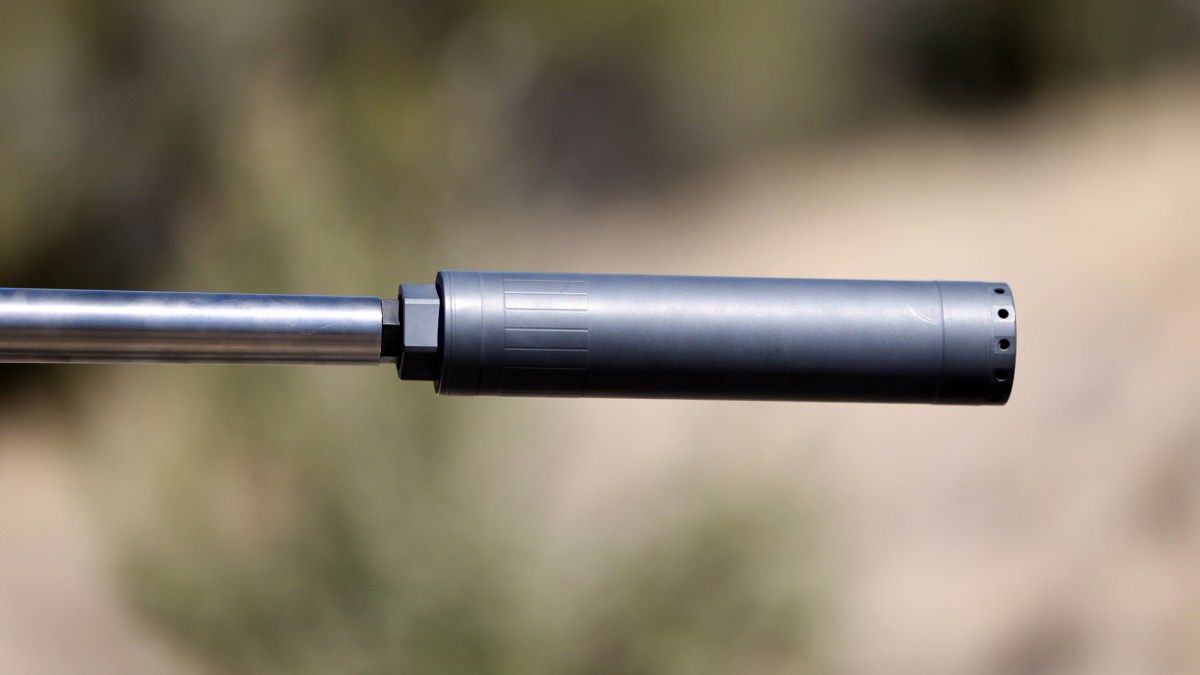
These briefs directly threaten the regulatory foundation of NFA restrictions affecting millions of gun owners. If courts accept SAF's historical arguments, suppressors, short-barreled rifles, and other NFA items could face legal reclassification or deregulation. Gun owners holding tax stamps for these items may see enforcement priorities shift. Manufacturers of suppressed firearms and SBR platforms monitor these cases closely—favorable rulings could open new market segments. Conversely, adverse rulings don't immediately invalidate existing stamps or items, but signal shifting judicial winds that could impact future regulations and state-level restrictions modeled on federal NFA categories.
DownRange Analysis
SAF's move is aggressive and timed strategically. Recent Supreme Court decisions establish a historical-test framework that genuinely threatens the NFA's constitutional underpinnings. The 1934 tax-stamp regime was designed to suppress civilian access through bureaucracy, not historical principle. Courts now willing to examine that history will find scant evidence that founding-era America regulated suppressors or short-barreled rifles. SAF's briefs likely argue that if an item wasn't heavily regulated in 1791, modern restrictions lack grounding under Bruen. This creates real pressure on lower courts to reconsider settled law. Expect years of litigation, but the trajectory favors Second Amendment claimants. Gun owners should track these dockets closely—outcomes could reshape the entire NFA structure.