Can You Own a Gun You Can't Buy? Second Amendment Gap Widens
Courts and legal scholars are confronting a fundamental gap in Second Amendment doctrine: the right to keep and bear arms means nothing if you cannot legally acquire one in the first place. The question of whether the Constitution protects a standalone right to purchase firearms—separate from ownership and carry—has moved from academic debate into real litigation, with implications for state licensing schemes, dealer regulations, and federal firearms policy.
Key Details
The Core Problem: Current jurisprudence, anchored in DC v. Heller and New York State Rifle & Pistol Association v. Bruen, protects the right to keep arms and the right to bear them. Neither decision explicitly addresses the right to acquire firearms through purchase. This creates a logical vulnerability: a state could theoretically ban all gun sales while permitting ownership of pre-existing guns—a scenario no court has directly resolved.
The Emerging Argument: Legal challengers increasingly contend that acquisition rights flow necessarily from possession and carry rights. Without access to the market, the protected rights become theoretical. This theory has begun appearing in appellate briefs and lower-court opinions, particularly in cases challenging dealer licensing requirements and point-of-sale restrictions.
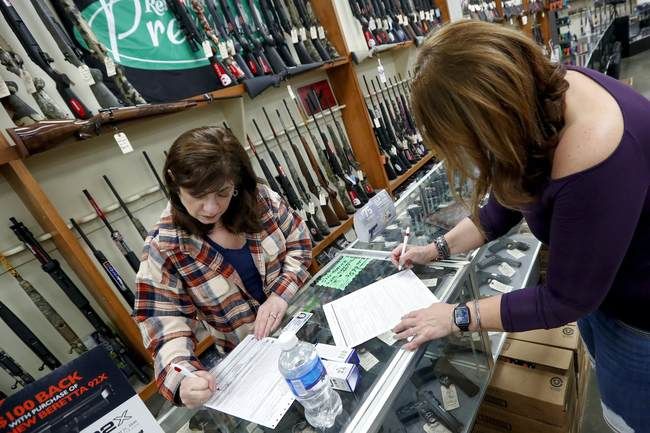
Why This Matters Now: Several states have tightened dealer regulations, implemented universal background check requirements with narrow exceptions, and increased fees associated with firearms purchases. Litigants are now framing these as de facto acquisition bans that violate the Second Amendment's unenumerated acquisition component.
Why It Matters for Gun Owners
If courts recognize an explicit constitutional right to acquire firearms, the practical consequence is immediate: any state or local regulation that functionally blocks legal purchase—whether through excessive dealer licensing fees, artificial waiting periods, or point-of-sale taxes—becomes vulnerable to constitutional challenge. Gun owners in states with restrictive dealer networks or high acquisition costs could mount arguments that these barriers violate their core Second Amendment protections. Conversely, if courts reject an acquisition right, states gain broader power to regulate the supply side of the market while claiming ownership itself remains protected. This distinction matters for everyone from first-time buyers facing licensing delays to shooters in low-dealer-density rural areas to collectors attempting to rebuild collections after transfers. The outcome will likely determine whether future regulations focus on restricting who can own guns versus restricting how guns can be obtained.
DownRange Analysis
Bruen's Shadow: The Supreme Court's text-and-history test in Bruen creates an opening for acquisition rights. Historical sources show the Framers understood the right to arms as including the ability to obtain them—standing armies were seen as dangerous partly because citizens needed access to comparable weapons. But courts have been hesitant to extend Bruen beyond possession and carry without explicit Supreme Court guidance.
The Real Test: Watch for circuit splits on dealer licensing and point-of-sale regulations. Once appellate courts divide on whether acquisition is a protected right, the Supreme Court will likely grant cert. Until then, gun owners in liberal jurisdictions should expect aggressive acquisition-side regulations—taxes, dealer caps, background check delays—while challenging them through the acquisition-rights lens rather than traditional Second Amendment arguments.