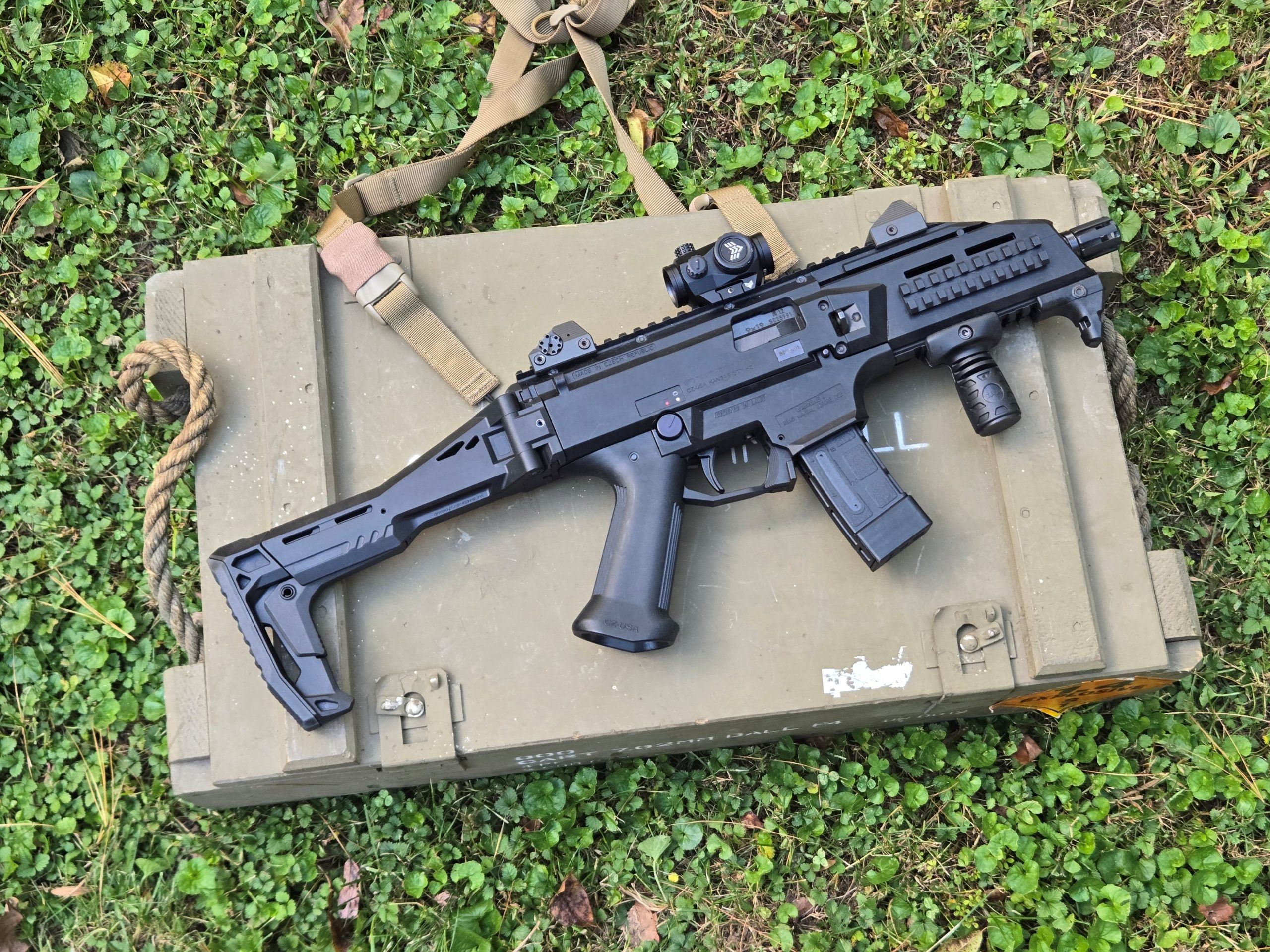
ATF Abandons Dealer Transfer Modernization Push
The ATF has retreated from a proposed rule change designed to modernize how licensed firearms dealers execute transfers between their locations. The agency had explored updating the transfer process away from its paper-dependent framework toward technology-based systems. The reversal means dealers continue operating under legacy procedures developed decades ago, with no federal modernization timeline in place.
Key Details
- The ATF proposed updating the dealer-to-dealer transfer system to use contemporary technology instead of paper-based methods
- The proposed rule would have affected interstate transfer procedures for FFL holders managing multi-location operations
- No replacement modernization initiative has been announced; dealers remain locked into existing protocols
Why It Matters for Gun Owners
This reversal affects dealers' operational efficiency, which indirectly impacts retail availability and transaction speed for buyers. FFLs managing multiple locations or high-volume transfers face continued administrative friction using outdated systems. While the average gun owner won't notice immediate changes, expect potential delays in dealer-to-dealer transfers and higher compliance costs that some retailers may pass along. The decision also signals the ATF's reluctance to pursue modernization despite obvious inefficiencies—a pattern worth monitoring as the agency faces ongoing scrutiny over rulemaking overreach under Bruen standards.
DownRange Analysis
The ATF's pullback suggests political caution rather than legal vulnerability. A modernization rule would likely survive Bruen review since it regulates the mechanics of existing, lawful dealer operations rather than restricting access. The real story: the agency backed away rather than risk another bruising regulatory fight. Gun owners should expect the federal transfer infrastructure to remain frozen in analog protocols for the foreseeable future. Dealers wanting faster systems will have to build private solutions—which creates fragmentation and competitive disadvantage for small operators who can't absorb tech costs independently.