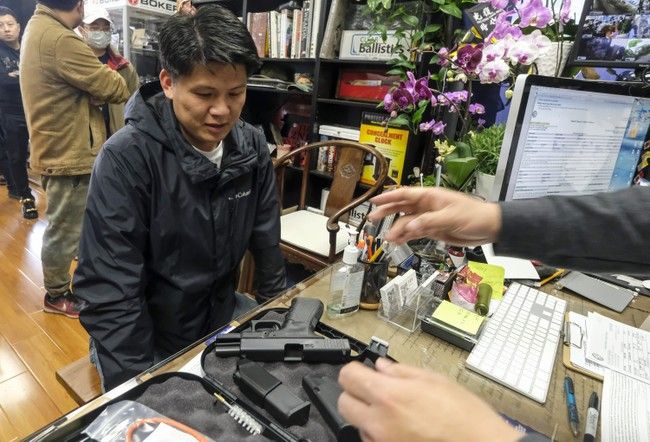
5th Circuit Strikes Down Federal Interstate Handgun Purchase Ban
The 5th Circuit Court of Appeals ruled September 19, 2026, that federal law cannot categorically prohibit direct handgun purchases from licensed dealers across state lines. The decision breaks from the 2nd Circuit's contrary ruling and sets up potential Supreme Court intervention. Gun owners can now legally purchase handguns from licensed dealers in other states within the 5th Circuit's jurisdiction, provided they comply with their home state's laws upon return.
Key Details
- The 5th Circuit found no constitutional basis for the blanket ban on interstate handgun sales to residents of other states.
- A competing 2nd Circuit ruling upheld the same federal restriction, creating a direct circuit split.
- The decision applies immediately to the 5th Circuit's territory: Texas, Louisiana, and Mississippi.
- Licensed Federal Firearms Licensees (FFLs) in these states can now legally transfer handguns to out-of-state residents who comply with their home state's requirements.
Why It Matters for Gun Owners
This ruling expands practical options for handgun acquisition across three states. A Texas resident can now purchase directly from an FFL in Louisiana; a Louisianan can buy from a Mississippi dealer. The buyer must still clear his or her home state's background check and obey all local ownership restrictions. This is not a blanket right to ship guns across borders—it's the removal of a categorical federal barrier that previously made all interstate handgun sales illegal, period. Gun owners in non-5th Circuit states cannot yet rely on this ruling, but the circuit split accelerates the likelihood that the Supreme Court will address whether 18 U.S.C. § 922(b) can survive post-Bruen scrutiny.
DownRange Analysis
The 5th Circuit applied New York State Rifle & Pistol Ass'n v. Bruen's text-and-history test and found the federal ban failed. The court recognized that the ban wasn't rooted in founding-era gun law—federal interstate commerce in firearms was unregulated until 1968. This reasoning tracks with Bruen's demand for historical grounding. The 2nd Circuit's contrary holding is now vulnerable. Expect this case to reach SCOTUS within 18 months. Until then, gun owners in Texas, Louisiana, and Mississippi have a real competitive advantage for handgun pricing and inventory. The market will respond quickly—dealers near state lines will see volume spike. For the rest of the country, hold tight. This is the next domino.