California Doctors Reject Hearing Protection Over Policy Stance
A coalition of California physicians is actively discouraging patients from using suppressors—devices with over 100 years of documented hearing protection—to advance a regulatory narrative rather than improve patient health outcomes. The group's position contradicts basic audiology: suppressors reduce firearm noise to safer levels, yet these doctors prefer patients face permanent hearing damage rather than access the technology.
Key Details
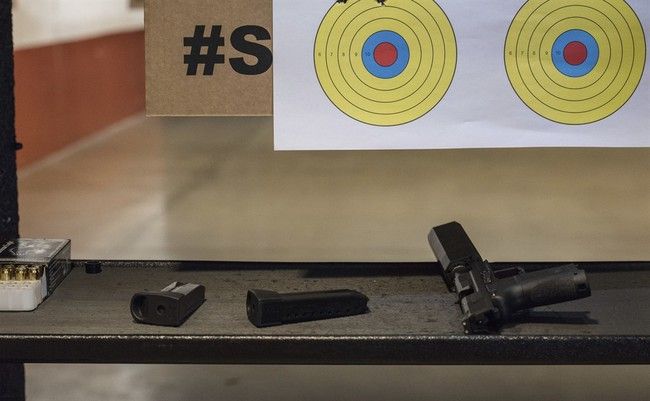
Hearing loss from firearms is cumulative and permanent. A single unsuppressed shot exceeds 140 decibels—enough to cause immediate hearing damage. Suppressors reduce that to 130-135 decibels, a meaningful reduction that prevents long-term damage. The technology has been commercially available for over a century with proven efficacy.
California's medical establishment is choosing ideology over patient care. Rather than counsel patients on hearing protection options, the physician group actively opposes suppressor access, effectively endorsing permanent hearing loss as preferable to owning a specific device.
This reflects a broader California pattern. State policy consistently subordinates individual health autonomy to collective regulatory goals, even when those goals conflict with established medical science.
Why It Matters for Gun Owners
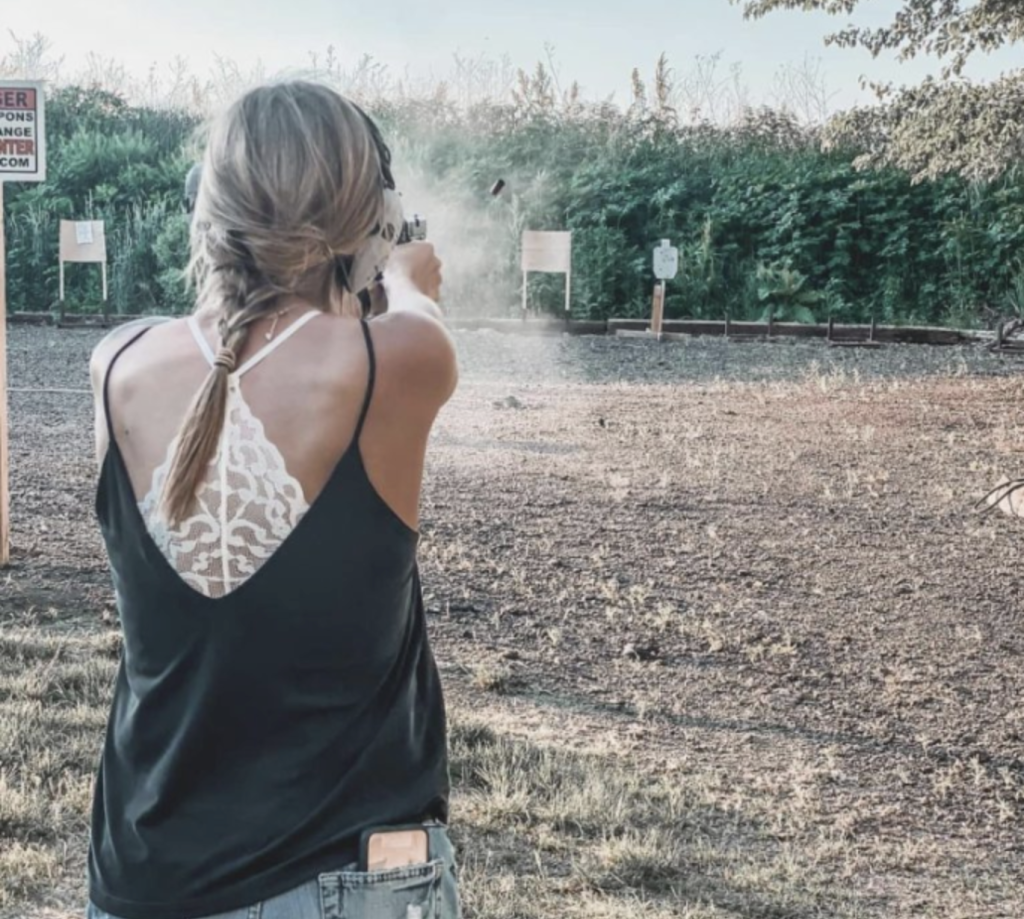
Hearing damage from shooting is irreversible. Whether you train weekly, hunt seasonally, or visit the range monthly, cumulative noise exposure degrades hearing permanently. Suppressors cut that risk significantly—yet California's medical infrastructure actively discourages their use. This creates a false choice: comply with state narrative or accept preventable hearing loss.
For California shooters, this means your physician may not counsel you on suppressor benefits because professional alignment with state policy overrides individual health guidance. Out-of-state shooters should note that California's regulatory approach—subordinating medical facts to policy goals—increasingly influences federal and interstate policy conversations. The suppressor remains legal under federal law; state medical opposition doesn't change the physics of hearing protection.
DownRange Analysis
This reveals the core dysfunction in California's regulatory model: medical authority becomes an enforcement arm of policy rather than an advocate for patient welfare. Suppressors pose no public safety risk—the FBI categorizes them as accessories, not weapons—yet California medical voices oppose them anyway.
What gun owners should do: seek independent audiology advice, not guidance filtered through state policy alignment. Document baseline hearing before regular shooting. If you shoot in California, a suppressor remains a legal, effective hearing protection device regardless of physician opposition. The medical establishment's refusal to counsel patients on evidence-based protection is a choice—and that choice belongs to the individual shooter making it.