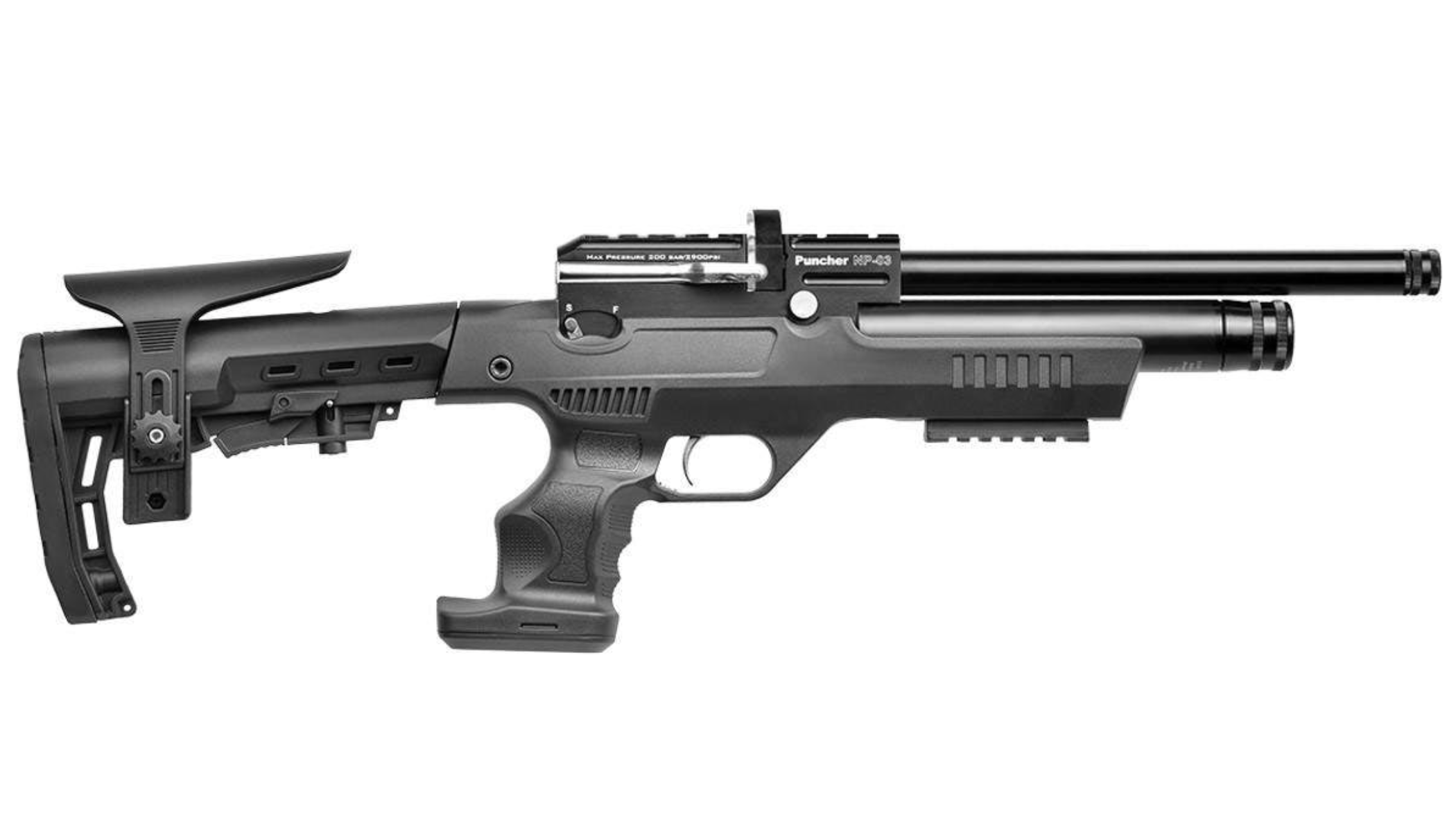
Federal Push to Classify Air Guns as Firearms Faces 2A Opposition
Legislation pending in Congress would bring certain high-powered air guns under federal firearms law, triggering licensing, registration, and transfer restrictions identical to conventional firearms. Garrett's Law targets air guns meeting specific power thresholds. The Citizens Committee for the Right to Keep and Bear Arms (CCRKBA) has formally opposed the measure, arguing federal regulators are overstepping by treating pneumatic weapons as firearms under existing statute.
Key Details
- Garrett's Law would classify certain air guns as firearms subject to federal firearms regulations
- The bill imposes licensing, background checks, and transfer requirements on air gun owners
- CCRKBA contends the measure conflates unrelated weapon categories and applies unnecessary restrictions
- The threshold for regulation targets high-powered models, though specific velocity or energy standards were not detailed in available sources
Why It Matters for Gun Owners
Air gun ownership sits in a gray zone between recreational shooting and firearms regulation. Most states treat air rifles and pistols as distinct from conventional firearms—many allow purchases without age restrictions and exempt them from licensing requirements. Federal classification would flip that reality nationwide. Gun owners who currently shoot air guns without paperwork would face federal background checks and potential registration requirements. Competitive air gun shooters and hunters using legal pneumatic rifles would enter the federal licensing system. If Garrett's Law passes, air gun sales networks would require Federal Firearms Licensees, inventory tracking would follow, and cross-state transport would trigger the same documentation as centerfire rifles. States that have already regulated air guns separately could face federal preemption issues.
DownRange Analysis
The CCRKBA's pushback reflects a legitimate concern about scope creep in firearms definition. Federal firearms law already struggles with clarity on what constitutes a "firearm"—see ongoing litigation over brace-equipped pistols and 80% frames. Expanding that definition to include air guns based on energy output creates new classification challenges and enforcement burdens for the ATF, which already faces resource constraints. From a constitutional angle, this likely survives Bruen scrutiny since air guns remain subject to reasonable regulation. The real question isn't constitutionality—it's whether Congress should weaponize the definition of "firearm" to capture equipment that doesn't function like conventional ammunition-fed weapons. For gun owners, this signals that regulatory mission creep extends beyond traditional firearms into adjacent categories. Watch for state-level pushback from air gun manufacturers and competitive shooting organizations.