Justice Department Abandons Appeal of NFA Registration Block
The Solicitor General confirmed the DOJ will not appeal the federal court ruling that struck down NFA registration requirements for suppressors, short-barreled rifles, short-barreled shotguns, and any-other-weapons for those covered by the injunction. This decision ends years of legal battle and marks a definitive win for gun owners challenging unconstitutional federal overreach.
The ruling invalidates decades of bureaucratic burden. Owners no longer face $200 tax stamps, fingerprints, photographs, and multi-month waiting periods for items the court found were never properly regulated under the National Firearms Act. The NFA's registration scheme for these items now sits legally gutted—at least for the plaintiffs in the case.
Why It Matters for Gun Owners
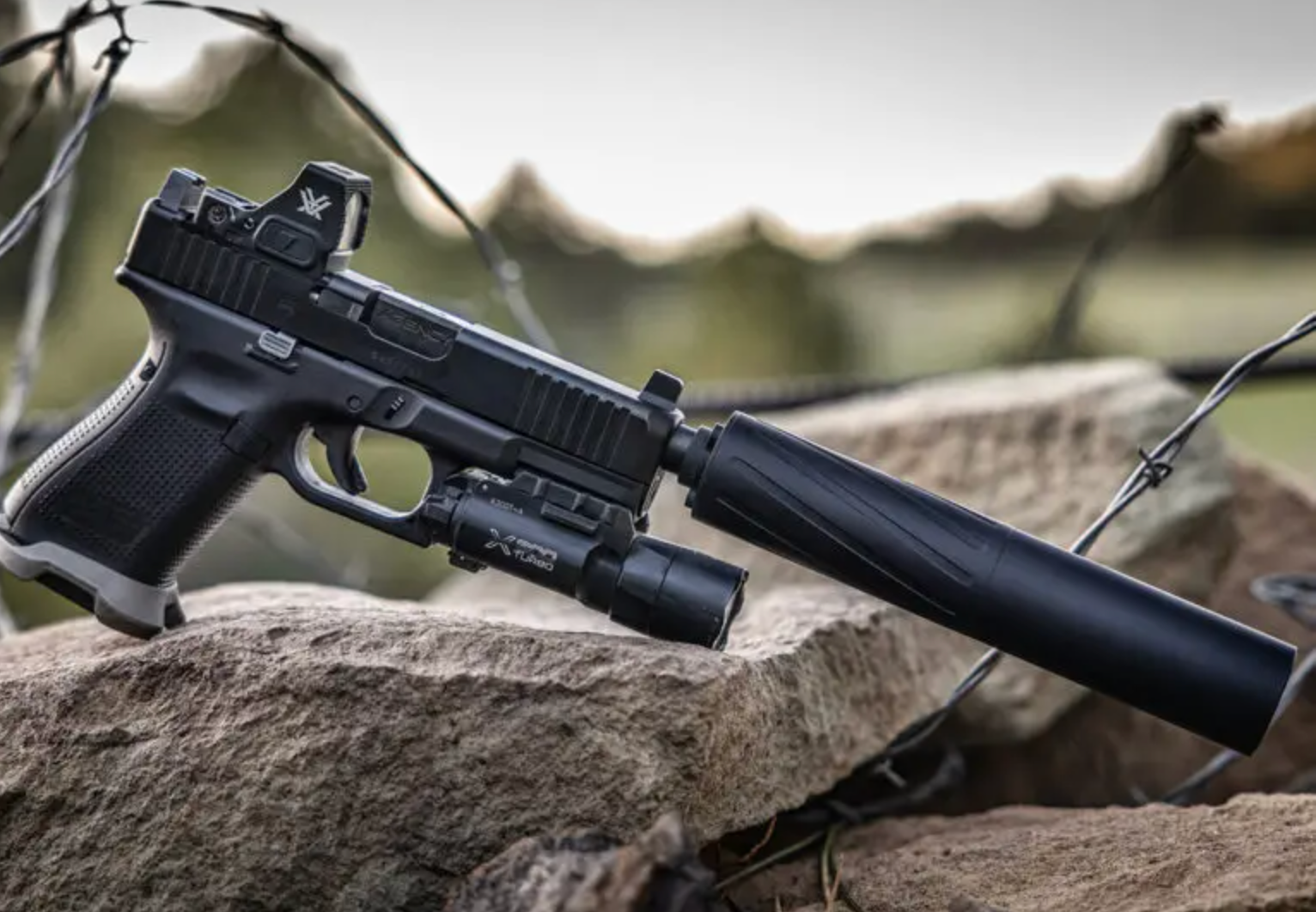
This is practical relief. Daily carriers and hunters who wanted suppressors for hearing protection no longer wait for federal approval. SBR enthusiasts can build or acquire short rifles without tax stamps. The $200 fee—unchanged since 1934—disappears for covered owners. Processing delays vanish.
The decision signals federal courts will scrutinize the NFA's constitutional foundation. The government had every incentive to appeal. Losing created precedent. Instead, DOJ walked away, suggesting lawyers found the legal ground too weak to defend. That matters for future challenges to federal firearms restrictions.
Gun owners should understand the scope. The injunction applies to the specific plaintiffs and potentially others in their jurisdiction, depending on how broadly the court ruled. It's not a nationwide blanket—yet. But it demonstrates courts will overturn regulations if Second Amendment claims are strong enough.
This also impacts manufacturers and dealers. Suppressors move from restricted NFA items to regular over-the-counter products in affected jurisdictions. Inventory restrictions ease. Pricing normalizes without the artificial tax-stamp premium. Hearing protection becomes genuinely affordable.
Background
The NFA originated in 1934, taxing machine guns, short rifles, and suppressors at $200 each—a deliberate barrier making items unaffordable for ordinary citizens. Courts historically upheld it. But legal challenges mounted after the Supreme Court's 2022 Bruen decision, which reframed how courts evaluate gun regulations.
Under Bruen, federal courts must ask whether regulations have historical precedent in American law. The NFA's suppressor and SBR provisions failed that test. No historical prohibition existed for these items before 1934. Suppressors weren't even considered firearms accessories until relatively recently. Short rifles had no special restriction before federal intervention.
Gun owners filed suit. Courts agreed the regulations lacked constitutional footing. Injunctions followed. Rather than mount a Bruen-era defense, DOJ strategically retreated. The government likely recognized its arguments wouldn't survive appellate scrutiny under current constitutional standards.
This reflects broader judicial skepticism toward expansive federal firearms authority. Courts increasingly demand historical justification for modern restrictions. The DOJ's decision not to appeal acknowledges that reality.
DownRange Bottom Line
Gun owners won a round without further litigation. The DOJ folding on appeal means finality for plaintiffs—no years spent in appellate courts. Suppressors and SBRs move closer to normal firearms status in those jurisdictions. Other courts watching will note the government's retreat.
The bigger picture: federal firearms regulations now face real constitutional review. Decades-old restrictions survive on borrowed time if they lack historical precedent. Owners should track the actual scope of this ruling in their state and expect more NFA challenges ahead.
This isn't national constitutional carry or nationwide NFA repeal. It's targeted, injunction-based relief. But for those covered, suppressor hearing protection and SBR ownership just became legally and financially feasible without federal approval.