Chicago Restricts Municipal Gun Buys, Joins Glock Lawsuit
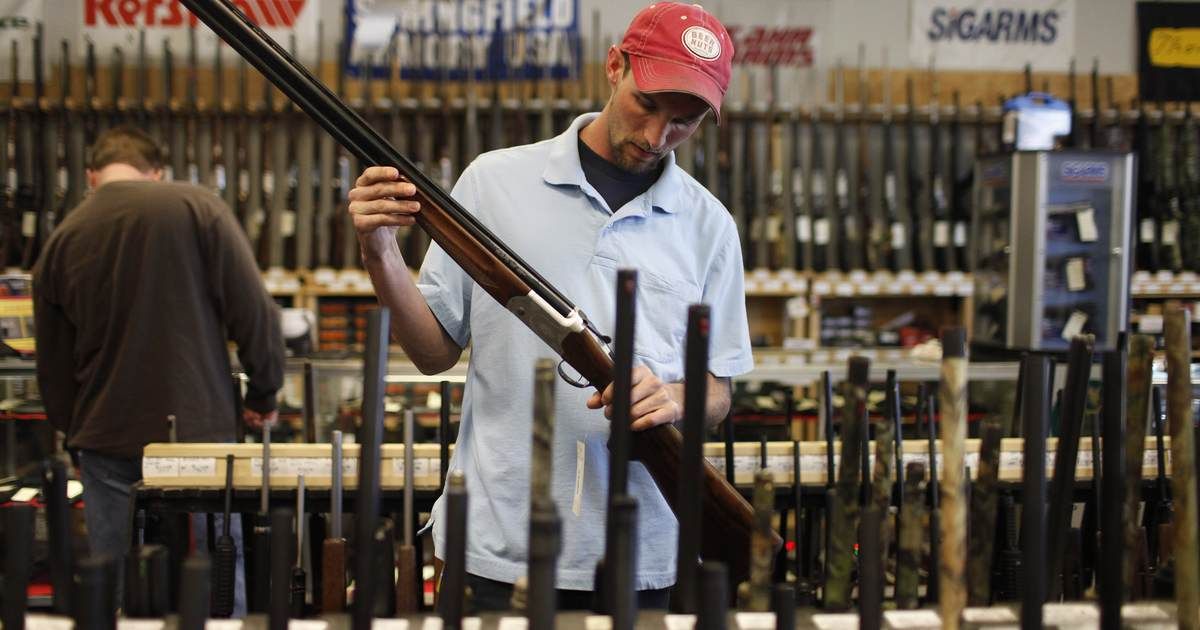
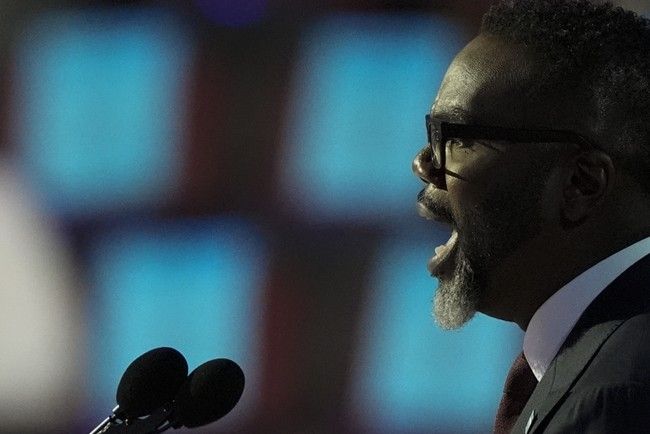
Chicago Mayor Brandon Johnson imposed new procurement rules restricting how city agencies and law enforcement acquire firearms and ammunition. Johnson's administration simultaneously joined litigation targeting Glock handgun sales across Illinois. The moves signal an escalation beyond rhetoric into direct action against manufacturers.
Johnson created a dedicated Office of Gun Violence Prevention last month. His latest executive order now governs city weapons sourcing. The administration authorized Chicago to become a plaintiff in anti-Glock litigation, attempting to block the manufacturer's product sales within state borders.
Why It Matters for Gun Owners
City procurement policies don't directly restrict civilian purchases. They do reveal political positioning that drives local enforcement priorities. Chicago's hostility toward Glock signals willingness to weaponize government contracts and litigation against manufacturers.
This approach—using municipal purchasing power as leverage in anti-gun suits—may spread. Other blue-state cities watch Chicago's strategy. Gun owners should expect similar policies in coastal metros and progressive jurisdictions.
The Glock litigation poses greater risk. If Chicago's suit succeeds, it establishes precedent for suing manufacturers in other states. Success could affect Glock availability nationwide and embolden similar suits targeting other brands. Smith & Wesson, Ruger, and Springfield Armory should expect similar treatment.
Ammunition procurement restrictions through city contracts warrant attention. Chicago could theoretically restrict municipal ammunition purchases to pressure local suppliers. This creates cascading effects on civilian market availability, especially if other cities follow suit.
Gun owners in Illinois should monitor court filings on the Glock case. The litigation will determine whether municipal governments can bypass federal gun manufacturer protections through state courts.
Background on Chicago's Anti-Gun Shift
Johnson took office in 2023 with anti-gun credentials firmly established. His campaign centered on gun violence prevention. Once elected, he moved beyond rhetoric into administrative action.
The Office of Gun Violence Prevention represents a dedicated bureaucracy focused solely on anti-gun policy. It provides infrastructure for sustained pressure against manufacturers and retailers. Staff will research litigation opportunities, draft restrictive regulations, and coordinate with advocacy groups.
Chicago's gun violence statistics are severe. The city averaged over 500 murders annually in recent years. Homicides involve mostly stolen handguns and illegally possessed firearms—populations unaffected by Johnson's procurement rules. His strategy ignores criminal gun acquisition patterns while targeting legal manufacturers and lawful gun owners.
Illinois already maintains some of the nation's strictest gun laws. Concealed carry licensing, background checks, and magazine restrictions are law. Chicago adds local restrictions on top. Johnson's moves represent further escalation within an already hostile regulatory environment.
DownRange Bottom Line
Municipal procurement rules are politically performative but legally limited in impact. The real threat sits in litigation strategy. If Chicago succeeds in suing Glock, manufacturers face a new legal liability front distinct from federal protections.
Gun owners should track the Glock suit closely. Success could establish precedent allowing blue-state cities to sue manufacturers directly. This circumvents federal liability protections and creates sustained legal expenses that affect product availability and pricing.
Johnson's strategy reveals anti-gun movement tactics when legislation stalls: litigation, administrative action, and municipal coordination. Expect this playbook in California, New York, and Massachusetts. The 2024-2026 period will determine whether courts allow this workaround.
Illinois gun owners: monitor court dockets. National carriers: prepare for similar suits in your states. Manufacturers: diversify legal resources. The fight has shifted from legislatures to courtrooms.