Pressure Distribution Beats Barrel Length for All-Day Carry
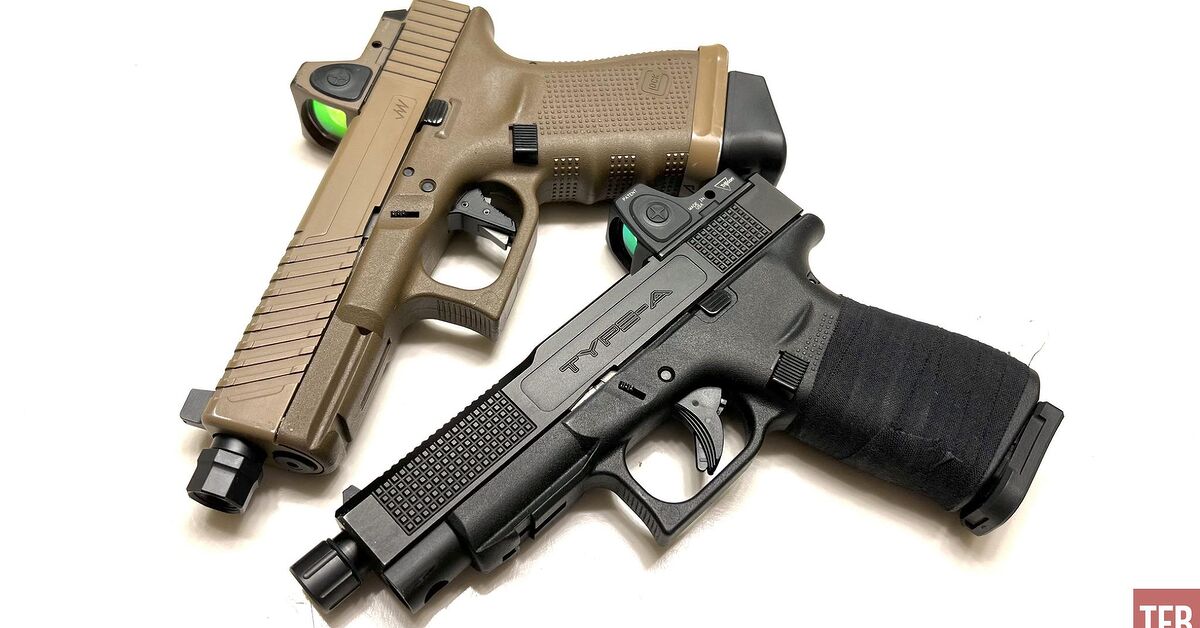
Gun size affects concealed carry comfort, but smaller doesn't automatically mean better. A Glock 19 conceals easier than a Glock 17 in an inside-the-waistband holster, yet a full-size frame can actually distribute pressure more evenly across the torso, reducing fatigue during eight-hour shifts.
The physics work against conventional wisdom. Shooters assume compact guns cause less discomfort because they weigh less and take up less real estate. Reality is messier. A smaller gun concentrates its weight into a tighter footprint, creating pressure points against your ribs and hip. A full-size frame spreads that same weight across a larger surface area, which your body tolerates better over time.
Your holster quality matters more than your gun's dimensions. A $30 generic IWB holster will make a Glock 43 feel like a brick at 3 p.m. A $80 holster molded for your specific gun redistributes pressure intelligently, regardless of whether you're carrying a single-stack nine or a full-size .45. Belt strength ranks equally high. A weak belt lets the gun migrate and dig in. A reinforced belt keeps the holster stable against your body.
Body mechanics determine everything else. How you sit, stand, and move changes where the gun presses. A shooter carrying appendix position experiences entirely different pressure points than someone using hip carry. Shooters who blame their gun's size for discomfort often haven't optimized these variables. They swap to a smaller gun, feel temporary relief from the novelty, then encounter the same problems three months later.
What Changes When You Actually Test It
Real-world carry data shows the Glock 19 and Glock 17 create different discomfort patterns, not different severity levels. The 19 digs harder in specific spots. The 17 creates broader, diffused pressure. Some shooters prefer the 19. Others find the 17 more wearable all day.
Magazine capacity affects carry comfort too, though most discussions skip this. A Glock 19 mag holds 15 rounds. A Glock 17 mag holds 17. If you're appendix carrying, that extra round or two changes the mag's profile when it prints at your waistline. Backup magazine position compounds this. A second 19 mag takes up less space than a second 17 mag, but neither disappears.
Why Gun Owners Need to Rethink Size Decisions
Carry gun selection shouldn't start with size. Start with what you shoot accurately under stress. Then solve the comfort problem through holster quality, belt strength, and positioning. Downsizing to a gun you shoot worse defeats the entire purpose.
New carriers fall into this trap constantly. They assume they need a subcompact, buy one, struggle with the trigger and recoil, then blame themselves instead of the gun. Meanwhile, they could carry a full-size gun they actually practice with and achieve better results through holster selection alone.
DownRange Analysis
Gun size is one variable in a system. Optimize the others first. A quality holster and strong belt make any gun carry better. A weak holster and weak belt make any gun carry worse. Your shooting ability matters more than your gun's dimensions. If you're choosing between a gun you shoot well and a gun you shoot poorly, pick the one you shoot well, then spend money fixing comfort with better gear instead of switching guns.