Concealed Carry Without Printing: Gear Selection and Discipline
The core principle of concealed carry is straightforward: if you're doing it right, nobody knows you're armed. Combat Handguns published guidance on staying discreet while carrying, emphasizing that proper technique combines the right equipment with consistent daily discipline. The distinction between a gun owner who carries responsibly and one who advertises his firearm through poor setup separates effective concealment from printing—the visible outline of your weapon through clothing.
Key Details
- Concealment quality depends on holster design, belt strength, and clothing selection working together as a system
- Body position and movement patterns matter as much as static fit—bending, sitting, and drawing all expose poor setups
- Fabric weight and cut directly affect whether your carry gun remains invisible or telegraphs its presence
Why It Matters for Gun Owners
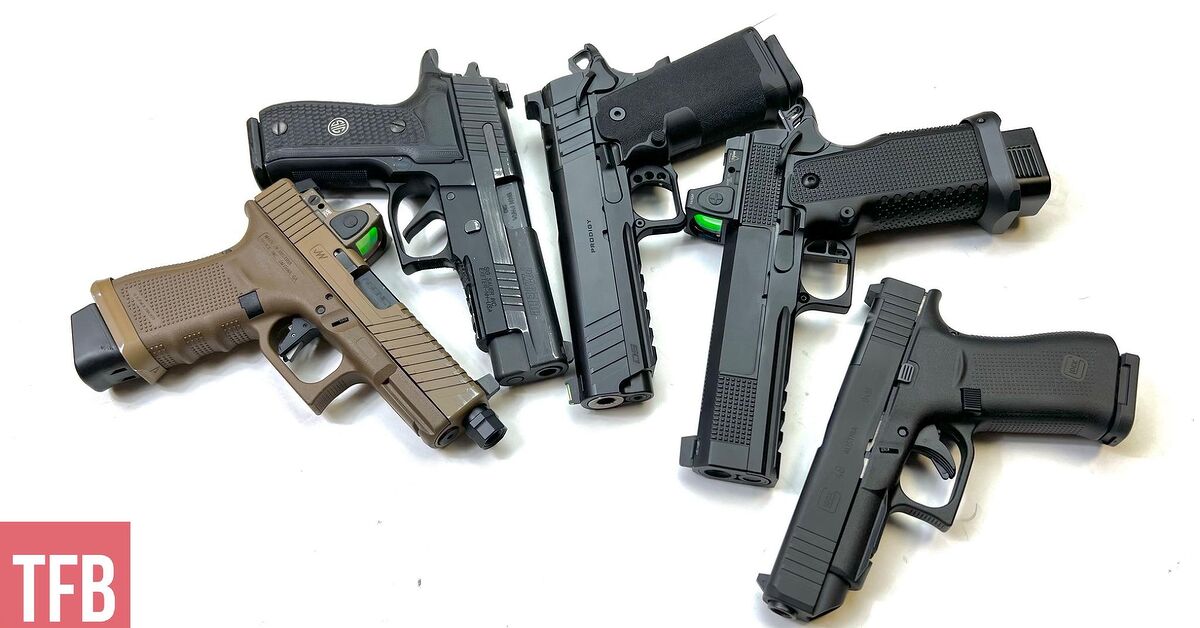
Printing destroys the operational advantage of concealed carry. A visible firearm creates tactical liability in everyday situations—it marks you as armed to everyone around you, shifts social dynamics in uncomfortable ways, and eliminates the element of surprise if a threat presents itself. For someone carrying daily, whether in urban environments, retail spaces, or mixed social settings, discretion isn't cosmetic—it's functional. The right inside-the-waistband holster, a properly fitted belt, and clothing that accommodates your barrel length without excess fabric all work together. A Glock 19 or Sig P365 carries differently than a full-size 1911. Gun owners need to test their actual carry setup in real conditions: sitting in a car, bending to pick something up, walking past windows with side lighting.
DownRange Analysis
Concealed carry culture has matured in the 15 years since McDonald v. City of Chicago. The basics—good holster, proper belt, clothing discipline—remain unchanged. What's shifted is the gear market: quality inside-the-waistband options now exist at every price point from $40 to $150, and clothing brands specifically designed for carry have reduced the old tradeoff between fit and concealment. The real work isn't buying gear—it's daily discipline. A gun owner who switches holsters weekly or rotates between tight and loose clothing will print. One who commits to a setup and adjusts everything else around it will stay invisible. No legislation, no court ruling, no product announcement changes this fundamental discipline. Test your carry system before you need it.