Traffic Stop Protocol: Five Rules for Armed Drivers
Traffic stops create friction between two parties with legitimate but competing concerns. As a concealed carry holder, you control half that equation. Knowing the baseline expectations—disclosure timing, hand placement, movement permission—before lights flash in your mirror separates safe encounters from escalated ones. Procedures differ by state and department, but the fundamentals stay constant.
Key Details
- Disclosure requirements vary: some states mandate immediate notification of concealed carry status; others require it only if asked directly.
- Hand positioning during the stop matters—keep hands visible on the steering wheel unless the officer directs otherwise.
- Officer safety concerns drive most traffic stop protocols; armed citizens who demonstrate awareness of those concerns de-escalate encounters immediately.
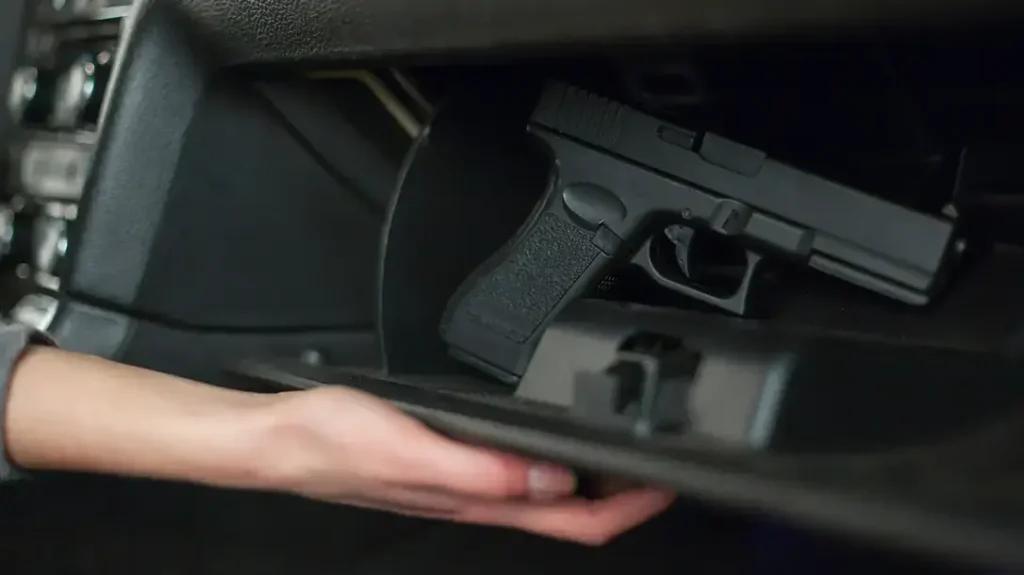
- Documentation of your carry permit should be accessible without reaching toward your firearm or creating sudden movement.
- State-specific laws govern whether you must consent to a pat-down or vehicle search related to your firearm.
Why It Matters for Gun Owners
A traffic stop is the most common armed encounter a concealed carry holder experiences with law enforcement. Getting it wrong—fumbling disclosure, reaching suddenly, failing to communicate your carry status—transforms a routine stop into a tense confrontation that serves no one. Gun owners in constitutional carry states face different obligations than those in permit-required jurisdictions, but all armed drivers need a pre-planned verbal and physical response. Your permit documents, vehicle registration, and insurance card should be positioned for access without drawing attention to where your firearm sits. Training departments now routinely brief officers on armed citizen encounters; matching that professionalism with calm, clear communication prevents misunderstandings that could end badly.
DownRange Analysis
The legal landscape favors armed citizens who handle traffic stops competently. Courts have consistently held that proper disclosure and transparent cooperation during a lawful stop protect both your rights and the officer's safety. The gap between states on disclosure rules reflects deeper disagreements about concealed carry itself—some treat it as a right requiring minimal reporting, others as a regulated privilege demanding transparency. Regardless of your state's stance, the practical winning move remains identical: early, calm notification of your armed status, hands visible, and zero sudden movement. Gun owners who treat traffic stops as a professional interaction rather than an adversarial one rarely face complications. The five-point framework here isn't about legal theory; it's about the reality of standing between an officer who doesn't yet know your status and a firearm you want to keep secure.