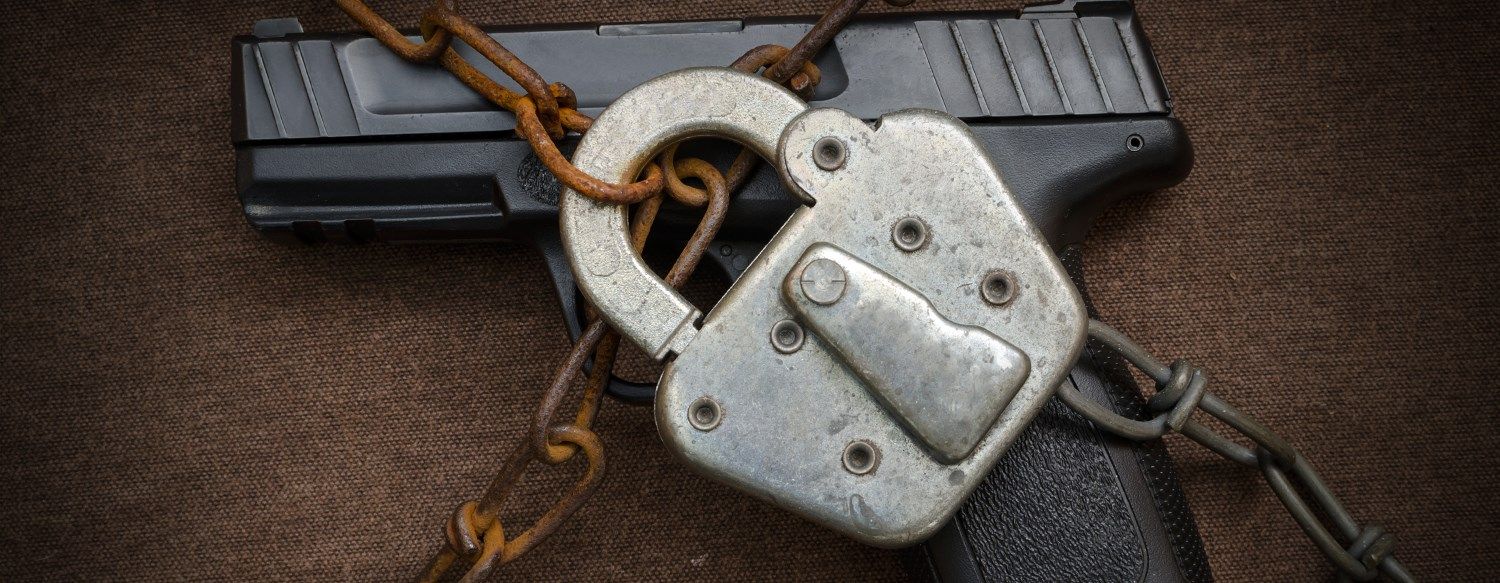
Courts Remove Gun Rights Through Civil Orders Without Criminal Charges
Federal judges are stripping Second Amendment rights through family court proceedings, restraining orders, and red flag laws—circumventing the Supreme Court's 2022 Bruen decision that restored constitutional protections. This practice, called "derivative disarmament," allows officials to confiscate firearms through civil procedures rather than criminal convictions, technically respecting Bruen's text while gutting its protections for gun owners.
A divorcing spouse files a restraining order. A family court judge grants it based on disputed allegations. Your firearms vanish. No felony conviction. No criminal trial. No jury. Lower evidentiary standards apply—preponderance of evidence instead of beyond reasonable doubt. You lose your rights anyway.
Anti-gun judges across blue states now weaponize this loophole openly. They interpret Bruen narrowly or ignore it entirely when issuing civil disarmament orders. Simultaneously, state lawmakers draft legislation specifically designed to create pathways for firearm seizure framed as administrative or civil matters rather than criminal—deliberately sidestepping Bruen scrutiny.
Why It Matters for Gun Owners
This trend threatens every gun owner who faces family court, custody disputes, or protective orders. You don't need a criminal record anymore. Your ex-spouse, estranged family member, or hostile court clerk can initiate disarmament through civil paperwork. Hostile jurisdictions—California, New York, Connecticut, Illinois, Washington—represent the highest risk.
The mechanics are straightforward and dangerous. A family court judge can restrict or eliminate your Second Amendment rights during divorce, custody battles, or order-of-protection proceedings. These civil orders often include permanent firearms bans without meaningful appeal processes. Some states allow civil disarmament based on mental health findings made outside criminal justice systems, with minimal due process protections.
Red flag laws accelerate this threat. These state statutes authorize civil firearm removal orders based on alleged danger—often without you present at the hearing. Some states allow ex-partners, estranged family members, or police to petition courts for temporary removal orders that convert to permanent confiscation. You post bond on a temporary order, but appealing permanent disarmament becomes costly and procedurally complex.
What separates this from traditional criminal disarmament: lower evidence thresholds, compressed timelines, minimal appellate recourse, and permanent consequences applied outside the criminal justice system. A judge can impose disarmament in civil court Friday and confiscate your firearms Monday. Criminal defendants receive more robust procedural protections.
Background on the Bruen Loophole
New York State Rifle & Pistol Association v. Bruen (2022) required courts to analyze gun regulations against historical tradition and constitutional text. The decision struck down New York's restrictive permit scheme and created a constitutional baseline for Second Amendment protection.
Immediately, anti-gun states recognized the gap. Criminal disarmament statutes now face Bruen scrutiny. Civil disarmament statutes skirt that analysis. Family court judges, administrative officers, and state lawmakers exploit this distinction deliberately. States are rewriting laws to shift disarmament from criminal to civil channels.
Federal courts have split on whether Bruen protections apply to civil disarmament, creating circuit conflicts. Some judges apply Bruen directly to all firearm restrictions. Others argue Bruen applies only to criminal contexts. This split enables regulatory arbitrage: anti-gun judges choose the narrowest interpretation available.
DownRange Bottom Line
Gun owners must recognize derivative disarmament as an existential threat to Second Amendment rights. Bruen restored constitutional protection from criminal disarmament but left the civil channel wide open. Anti-gun judges and lawmakers are flooding through that gap.
Protect yourself: document all interactions in family court carefully. Understand your state's red flag procedures. Know which judges sit on your local family court bench. Connect with Second Amendment legal organizations. If you face a protective order or family court proceeding, retain counsel familiar with firearms law immediately. Don't assume civil disarmament faces meaningful constitutional review in hostile jurisdictions.
Bruen won the battle. Derivative disarmament threatens the war.