Former DOJ Official Launches Rights Restoration Organization for Convicted Felons
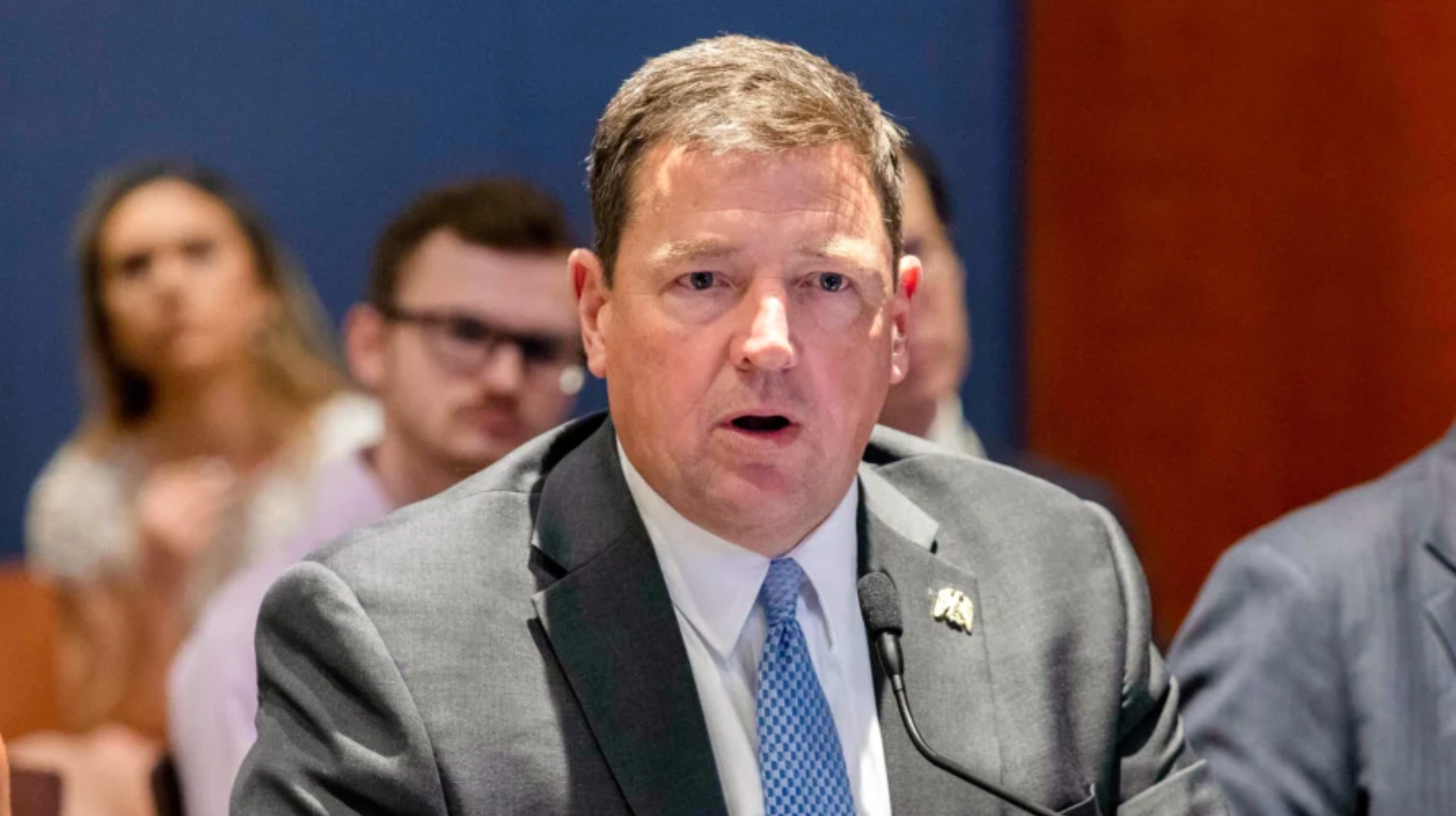
Ed Martin, who served as U.S. Pardon Attorney at the Department of Justice, launched Firearm Rights for Americans, a nonprofit targeting felony convictions that strip gun ownership rights. Martin's shift from government to private advocacy marks a direct challenge to 18 U.S.C. § 922(g)—the federal statute that permanently disarms anyone with a felony record, regardless of rehabilitation timeline or decades of lawful conduct post-conviction.
Martin's 15-year tenure at the DOJ gave him direct experience navigating clemency and rights restoration at the federal level. He worked inside the system that most gun owners view as stacked against Second Amendment restoration. Now he's building infrastructure to help individuals petition for relief through state mechanisms, record expungement, and federal pardon pathways that most convicted people don't know exist.
Why It Matters for Gun Owners
Blanket felon firearm bans affect millions of Americans. Most states maintain permanent prohibitions tied to any felony conviction—violent or non-violent, recent or decades old. A person convicted of tax evasion in 1985, who served his sentence and lived 40 lawful years, remains a federal prohibited person. That's the current reality under federal law.
State restoration pathways exist but vary wildly by jurisdiction. Some states offer administrative processes; others require legislative petitions. Most people don't know these pathways exist. Martin's organization fills that information gap and provides legal guidance through applications. Gun owners should care because every successful restoration case strengthens the argument that permanent disarmament lacks constitutional grounding post-Bruen.
The New York State Rifle & Pistol Association v. Bruen decision shifted constitutional analysis toward historical text and tradition. Federal courts now scrutinize firearm restrictions more closely. Blanket, permanent felon disarmament—regardless of offense severity or time elapsed—sits on increasingly unstable legal ground. Restoration efforts build case law demonstrating that some convicted individuals pose no public safety threat and deserve Second Amendment access.
For daily carriers and gun owners, this matters because it signals judicial and advocacy movement toward individualized assessment rather than categorical bans. A felon who completed sentence 20 years ago and held employment, paid taxes, and violated no additional laws may soon have legal standing to petition for rights restoration in more jurisdictions.
Background and Legal Context
Section 922(g) passed in 1968 as part of the Gun Control Act. It created a broad prohibition: no felon could possess firearms. Congress defined "felon" as anyone convicted of a crime carrying a prison sentence exceeding one year. States adopted similar permanent bans. For decades, no one challenged these restrictions constitutionally.
Bruen changed the legal landscape. The Supreme Court held that new firearm regulations must align with historical tradition and text of the Second Amendment. Lower courts have applied Bruen to various gun restrictions. Some permanent felon disarmament provisions already face legal challenges in federal courts.
Martin's timing capitalizes on this shift. His organization can help individuals mount restoration cases while constitutional pressure builds against categorical felon bans. State legislatures in some jurisdictions have already softened permanent bans, allowing administrative restoration in certain circumstances.
DownRange Bottom Line
Ed Martin's Firearm Rights for Americans fills a void. Thousands of convicted individuals who completed sentences want lawful gun ownership restored but don't know how. Martin provides a roadmap through existing state and federal mechanisms. For Second Amendment advocates, every successful restoration case strengthens arguments against overbroad federal prohibitions. Gun owners watching constitutional developments should track this organization—it signals where the judicial and political winds are shifting on felon disarmament.