DOJ Files First 'Sensitive Places' Lawsuit Against Montgomery County, Maryland
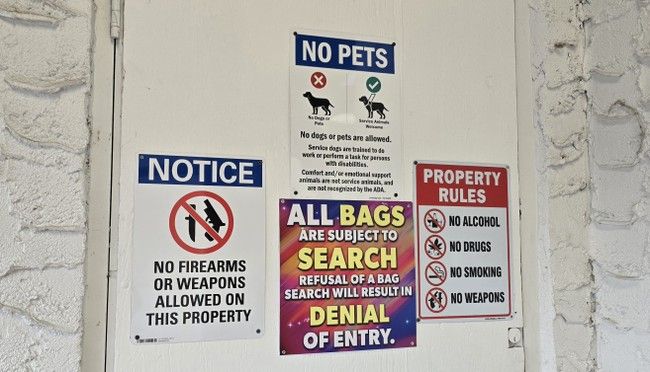
The Department of Justice filed suit against Montgomery County, Maryland on August 3, 2026, attacking a local ordinance that prohibits lawful concealed carry in parks, places of worship, libraries, recreational facilities, and multipurpose exhibition facilities. The ban extends to a 100-yard buffer zone surrounding each location where carry is also forbidden. This marks the DOJ's first litigation directly challenging a municipality's "sensitive places" restrictions.
Key Details
- Restricted locations: Parks, libraries, places of worship, recreational facilities, and exhibition halls
- Buffer zone: 100 yards surrounding each sensitive place where carry is prohibited
- Jurisdiction: Montgomery County, Maryland
- Significance: First federal DOJ litigation targeting a local sensitive places ordinance under current Second Amendment jurisprudence
Why It Matters for Gun Owners
Montgomery County's ordinance effectively stripped carry rights from lawful citizens across a wide geographic footprint. The 100-yard buffer zones create overlapping restricted areas that, in urban and suburban settings, can render entire neighborhoods off-limits for armed self-defense. For Maryland residents and those traveling through the county, this means analyzing every route to determine compliance. The DOJ's lawsuit signals federal willingness to challenge local restrictions that the Supreme Court's New York State Rifle & Pistol Association v. Bruen decision called into question. A successful DOJ challenge could establish precedent against similar ordinances adopted by other municipalities nationwide.
DownRange Analysis
The DOJ's litigation confirms that Bruen created enforceable limits on "sensitive places" bans. Montgomery County's broad ordinance—prohibiting carry in government buildings, libraries, and recreational spaces—likely cannot survive scrutiny under the historical-tradition standard Bruen established. Buffer zones compound the constitutional problem by extending restrictions far beyond the physical building. This lawsuit should concern officials in other jurisdictions with comparable ordinances. For gun owners, the immediate play is documenting the practical impact: which routes, public spaces, and daily errands now require being disarmed. Expect Maryland to vigorously defend the ordinance, but the DOJ's decision to litigate suggests confidence in the legal position.