Trump DOJ Challenges California's Glock Ban and Handgun Roster in Federal Court
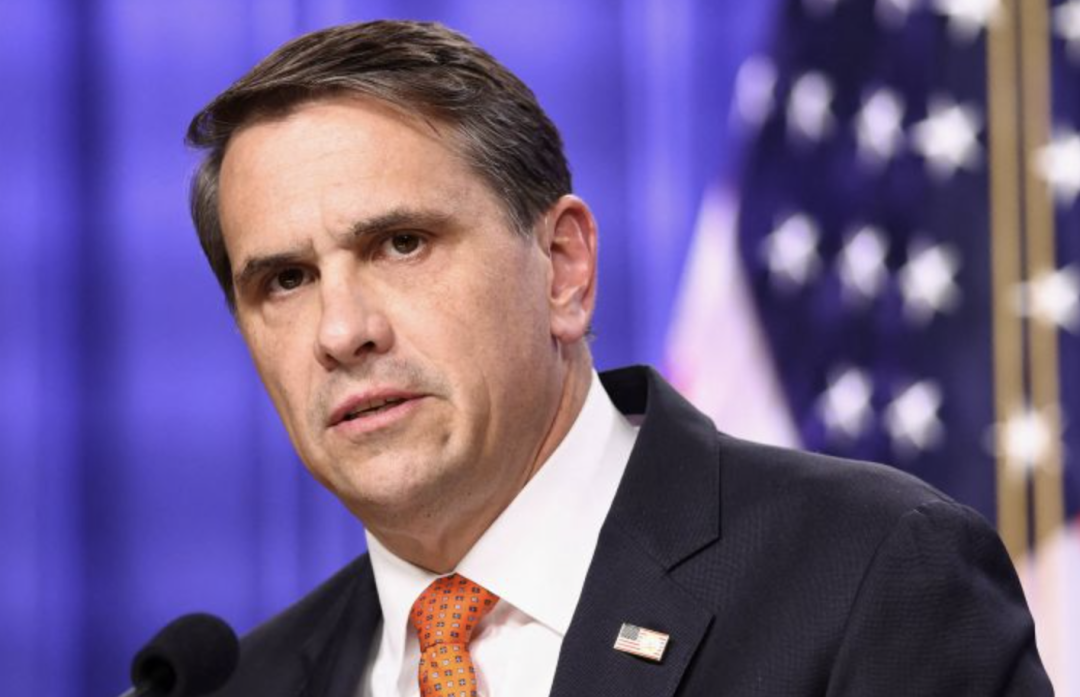
The Trump Justice Department filed a federal lawsuit against California on July 8, 2026, attacking two cornerstone restrictions: the state's ban on Glock-pattern pistols and its infamous Handgun Roster system. The suit targets laws that have effectively eliminated consumer access to modern handguns in the nation's largest state.
Key Details
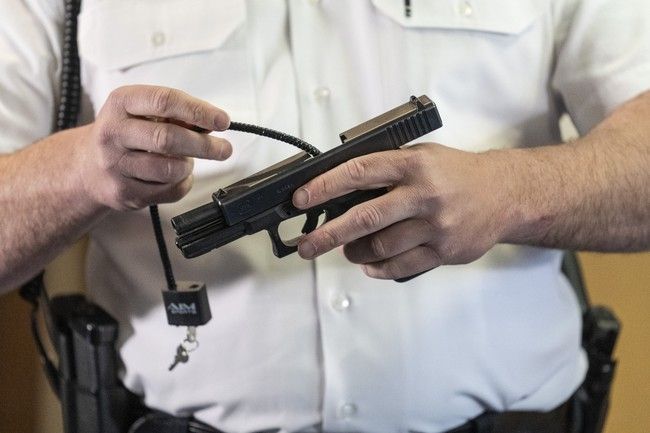
California's Glock Ban: The state prohibits manufacture, sale, or transfer of Glock-pattern pistols, which represents the most popular duty and defensive handgun platform in America. The ban covers standard-frame and compact variants.
The Handgun Roster: California's microstamping requirement forces manufacturers to permanently etch serial numbers into firing pins and cartridge casings—technology that doesn't reliably work. No new models have been added to the approved roster since 2013, freezing consumer choice and driving prices for compliant models to $700–$1,200.
This marks the DOJ's second major challenge to California's gun laws after previous federal actions targeting state restrictions.
Why It Matters for Gun Owners
California residents live under near-total handgun scarcity. New guns cannot legally be purchased; only pre-2013 roster models remain available at inflated black-market prices. The Glock ban specifically eliminates the most affordable defensive option for working-class carriers. A successful federal challenge would restore market access and reset prices toward national norms. This lawsuit signals the DOJ's willingness to directly confront state-level gun bans—not just procedural restrictions. For California gun owners, a win could mean first legal access to modern firearms in over a decade. For other states, it establishes precedent that blanket bans on specific platforms face serious constitutional jeopardy under Bruen scrutiny.
DownRange Analysis
This lawsuit has teeth. California cannot defend either law under the Bruen framework because neither restriction connects to historical gun policy. Microstamping has no 18th- or 19th-century analog, and the Glock ban targets a modern design with no historical equivalent. The state's likely argument—public safety—fails post-Bruen without historical grounding. However, California typically exhausts appellate procedures. Expect multi-year litigation. The real question isn't whether the laws survive constitutional scrutiny; it's whether California has the political will to repeal them before federal courts force the issue. A federal victory here accelerates the collapse of state roster systems nationwide.