Federal Judge Halts Connecticut's Glock Ban; Second Amendment Challenge Likely Wins
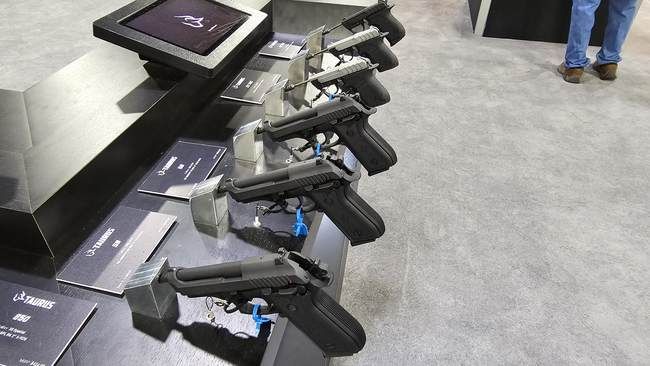
A federal judge has temporarily blocked Connecticut's ban on Glock-style handguns, finding that the plaintiffs challenging the restriction are likely to succeed on their Second Amendment claim. The restraining order freezes enforcement of the state's prohibition while litigation proceeds. The ruling marks the first major judicial rejection of Connecticut's attempt to criminalize one of America's most widely carried defensive firearms.
Key Details
The Court's Finding: The judge determined that plaintiffs demonstrated a likelihood of success on the merits of their constitutional challenge, the standard required to grant a temporary restraining order.
What's Blocked: Connecticut's ban on Glock handguns and substantially similar pistols remains unenforceable pending further court proceedings.
Next Steps: The case will proceed to the merits phase. The temporary order gives the court time to fully analyze whether the ban survives scrutiny under District of Columbia v. Heller and New York State Rifle & Pistol Association v. Bruen.
Why It Matters for Gun Owners
Connecticut residents who own or carry Glock pistols now have judicial protection against criminal prosecution while this case moves forward. The ruling directly impacts an estimated 100,000+ Glock owners in Connecticut who faced potential felony charges under the state's previous enforcement. For competitive shooters and those relying on Glock's reliability for self-defense, the restraining order restores legal access to these platforms. Gun owners nationwide should watch this case closely: courts in other states considering similar bans—including California, New York, and Massachusetts—will likely cite this decision. The temporary order buys time for organizations to mount additional constitutional challenges in other jurisdictions.
DownRange Analysis
This ruling reflects how Bruen's text-and-history standard continues to erode categorical gun bans. Connecticut couldn't demonstrate that Glocks fall outside the Second Amendment's scope based on founding-era principles. The judge's willingness to grant a temporary restraining order signals confidence in the plaintiffs' argument that modern defensive handguns are core protected arms. Gun owners should expect similar bans in other states to face legal challenges within months. The real test comes when the court issues a final ruling on the merits—but the temporary victory shows momentum in favor of common self-defense tools over state-level prohibition schemes.