Federal Judge Blocks Union Pacific's Challenge to Arkansas Gun Rights
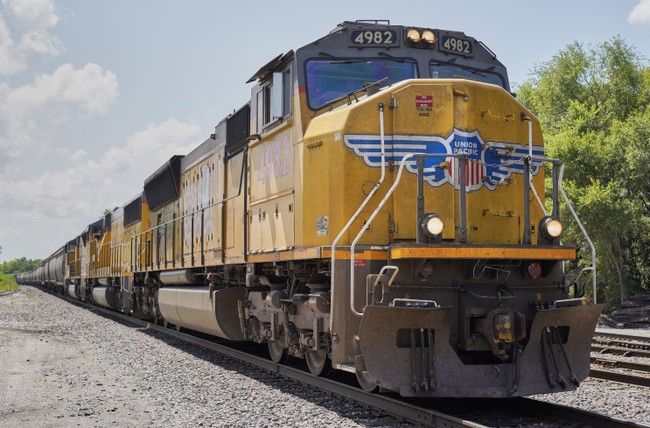
A federal judge shot down Union Pacific Railroad's attempt to use federal transportation law to override Arkansas's Second Amendment protections and strip employees of gun rights through union contracts. The railroad argued that Interstate Commerce Clause authority and collective bargaining agreements gave it power to nullify state constitutional protections for its workers. The court rejected both arguments outright.
Key Details
- Union Pacific challenged Arkansas's constitutional right-to-work law and broader Second Amendment protections in the state
- The railroad claimed federal railroad law superseded state gun rights and employee constitutional protections
- Federal judge ruled that neither Interstate Commerce Clause power nor union contracts can strip citizens of their Second Amendment rights
- Case establishes that collective bargaining does not override state constitutional protections
Why It Matters for Gun Owners
This ruling protects a specific vulnerability: employers and unions cannot use contracts or collective bargaining to eliminate your gun rights, even in states with strong Second Amendment laws. Gun owners working for transportation companies, defense contractors, and other federally regulated industries now have clearer legal protection against employer-imposed gun bans. Arkansas residents working anywhere in the state retain their constitutional rights regardless of employment agreements. The decision also signals that federal regulatory authority—even over interstate commerce—has limits when it collides with constitutional rights. If you carry in Arkansas or work for a federally regulated employer elsewhere, this establishes that your state's constitutional protections remain enforceable against contract language.
DownRange Analysis
This tracks hard with Bruen. The Supreme Court rejected balancing tests that pit government interests against individual rights; constitutional rights don't disappear based on employer preference or interstate commerce status. Union Pacific's argument essentially asked the court to create a carve-out where federal authority erased state constitutionalism—a theory the post-Bruen Court has repeatedly shut down. The judge correctly identified that collective bargaining can't contract away constitutional protections any more than a state legislature can. For gun owners, this closes a potential loophole employers might have exploited. Watch whether other rail carriers, airlines, or defense contractors test similar arguments. This precedent makes those challenges harder, but not impossible.