Federal Judge Strikes Down Suppressor and SBR Registration Mandate
U.S. District Judge Reed O'Connor ruled Tuesday that the National Firearms Act's registration requirement for suppressors and short-barreled rifles violates the Second Amendment. The decision, issued in Texas federal court, blocks the federal government from enforcing NFA registration on these items.
O'Connor found that requiring gun owners to register suppressors and SBRs infringes constitutional rights. The ruling states the NFA's registration scheme exceeds federal authority under the Second Amendment as interpreted by recent Supreme Court precedent. This marks a direct challenge to decades of federal firearms regulation.
Why It Matters for Gun Owners
This decision immediately affects millions of suppressor and SBR owners nationwide. Currently, anyone manufacturing, transferring, or possessing these items must register them with the ATF, pay a $200 tax stamp per item, and wait months for approval. O'Connor's ruling eliminates that requirement.
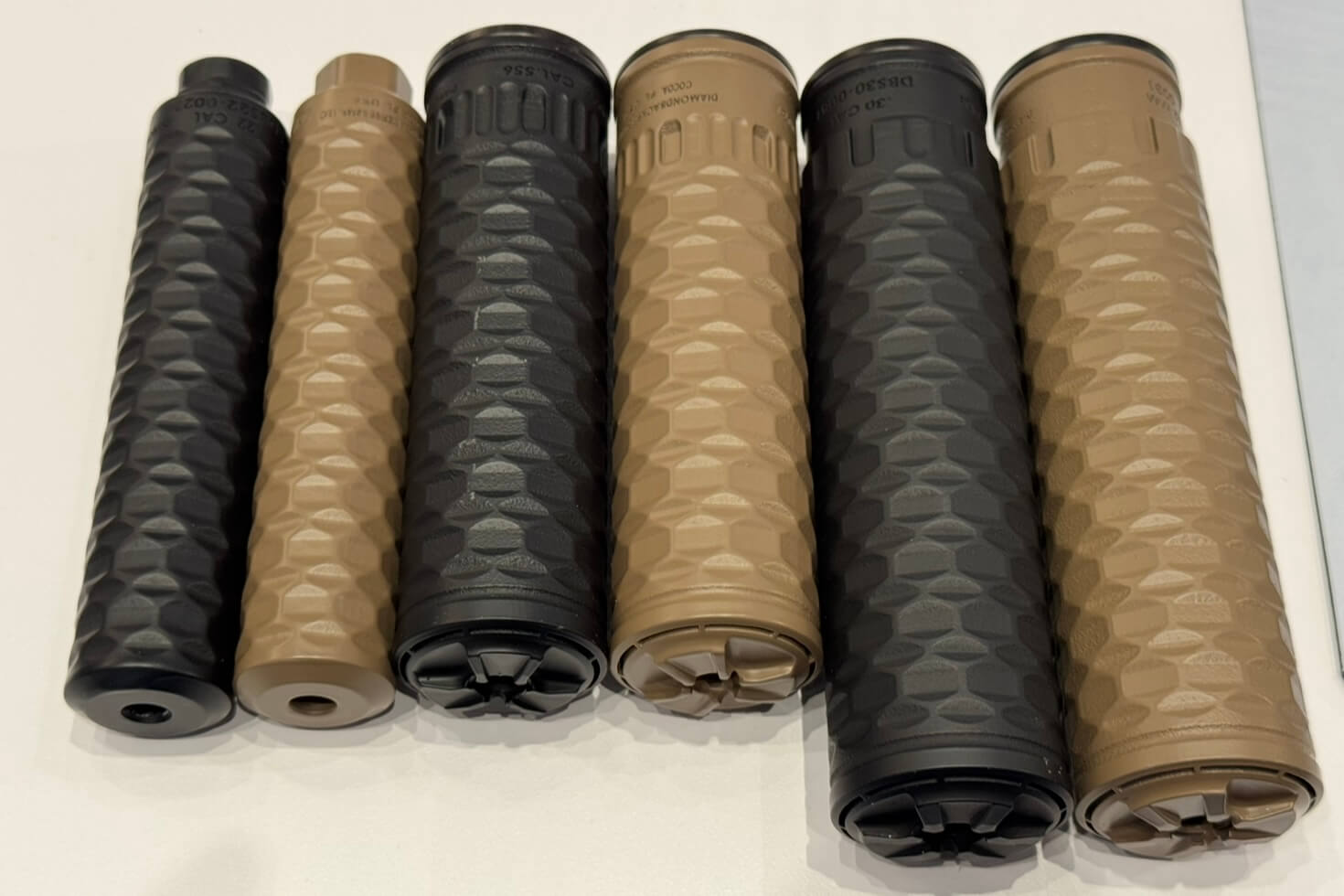
For daily carriers and tactical shooters, suppressors reduce hearing damage and muzzle flash without legal penalty. SBRs offer superior handling in confined spaces—vehicles, homes, duty weapons. The registration tax has artificially inflated suppressor prices to $400-800 retail. Legal barriers have discouraged adoption of hearing protection technology.
The decision creates immediate practical questions: Can gun owners now manufacture suppressors at home without registration? Can FFL dealers sell them without ATF paperwork? The ruling suggests yes, but enforcement uncertainty remains. Many manufacturers and dealers will likely pause operations until appellate courts clarify application.
This ruling aligns with the Supreme Court's 2022 Bruen decision, which struck down New York's concealed carry licensing scheme. The Bruen standard requires historical precedent for firearms regulations. O'Connor applied that test to NFA registration, finding no historical basis for suppressor or SBR registration predating the Second Amendment's ratification in 1791.
Background on NFA Registration
The National Firearms Act originated in 1934, targeting machine guns, short-barreled shotguns, and silencers during Prohibition. Congress imposed a $200 transfer tax (equivalent to $3,400 today) as a registration mechanism. The ATF maintains a national registry of all registered NFA items.
The suppressor component has particularly driven this case. Modern suppressors reduce gunshot noise by 20-35 decibels—hearing protection rather than assassination tools. Yet the 1934 NFA banned civilian ownership without registration and tax. Most European nations issue suppressors without restriction; hunters use them routinely.
Previous court challenges to NFA registration failed under older constitutional frameworks. O'Connor's ruling applies the Bruen test, comparing historical gun regulations at the Founding. Since suppressors didn't exist in 1791, registering them has no historical precedent.
The ATF will likely appeal to the Fifth Circuit Court of Appeals, which covers Texas and has shown Second Amendment sympathy in recent cases. The Supreme Court may ultimately decide this issue.
DownRange Bottom Line
This ruling represents the most direct attack on federal firearms registration since modern litigation strategies shifted toward historical analysis. If it survives appeal, suppressor and SBR ownership becomes dramatically more accessible and affordable.
Gun owners shouldn't rush to manufacture or purchase unregistered items until appellate courts clarify enforcement. The government will likely seek injunctions and expedited appeals. However, this decision signals that federal registration requirements face serious constitutional jeopardy under current jurisprudence.
For daily carriers prioritizing hearing protection and operational capability, this ruling opens a path to lawful access without federal registration barriers. The practical timeline for that access depends on appellate outcomes.