Federal Judge Strikes Down NFA Registration Requirements for Suppressors and SBRs
A federal judge ruled the National Firearms Act's registration scheme unconstitutional for suppressors and short-barreled rifles. The decision challenges a foundational pillar of federal firearms regulation that has stood for nearly a century. Judge found that requiring registration for items Congress no longer taxes violates the Second Amendment and exceeds statutory authority.
This ruling affects millions of gun owners currently navigating NFA compliance. Suppressors and SBRs represent two of the most heavily regulated firearm categories under federal law. The decision opens a legal pathway that could reshape how the ATF enforces registration mandates across the country.
Why It Matters for Gun Owners
Daily carriers and shooters understand the NFA's burden firsthand. A Form 4 application historically took months or years for approval. Applicants paid $200 tax stamps per item. The registration process created a permanent federal database of owners and serial numbers.
This ruling doesn't instantly eliminate the NFA tax stamp requirement. It challenges the underlying authority to mandate registration when no federal tax applies. For gun owners, it signals that courts are willing to examine whether the 1934 statute exceeds its original constitutional boundaries.
Suppressors remain the primary target for this legal argument. Most shooters view suppressors as hearing protection—not the exotic ordnance the NFA originally regulated. The average suppressor purchase cost runs $400-$800 before the $200 stamp. That $200 tax effectively doubles the effective cost of entry for many shooters.
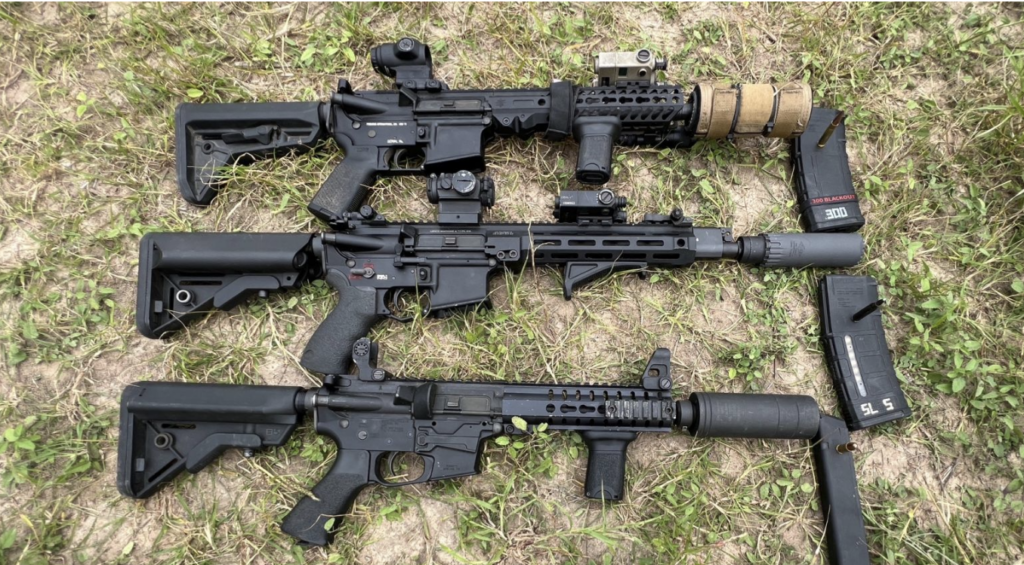
Short-barreled rifles face identical scrutiny. An AR-15 with a 10.5-inch barrel functions identically to any other rifle. The NFA restricts barrels under 16 inches (13 inches for shotguns). This arbitrary length restriction has frustrated shooters for decades.
Gun owners now have a federal court statement supporting their constitutional arguments. This decision provides legal ammunition for Second Amendment advocates challenging the registration apparatus.
Background
The National Firearms Act passed in 1934 during Prohibition. Congress designed it to tax and register machine guns, silencers, and other "gangster weapons." The statute imposed a $200 federal excise tax and required owners to register items with the federal government.
In 1968, Congress repealed the federal excise tax on suppressors and several other NFA items. Yet the registration requirement remained. Gun owners have argued this inconsistency for generations: why maintain registration for items Congress deemed unworthy of taxation?
The ATF treats suppressor ownership as a highly restricted category. Applicants provide fingerprints, photographs, and submit Form 4 applications. A chief law enforcement officer sign-off was historically required. Processing times routinely exceeded 6-12 months, though recent improvements have reduced this to 30-90 days in many jurisdictions.
This case represents a direct constitutional challenge to that registration authority. The judge examined whether Congress intended the NFA to apply to untaxed items. The court found statutory language and legislative history didn't support maintaining registration requirements without corresponding taxation.
DownRange Bottom Line
This ruling delivers a significant blow to federal firearms registration authority. Gun owners should monitor how the government appeals this decision. The case will likely reach the appellate level and potentially the Supreme Court.
Suppressors and SBRs represent the first dominoes in a larger registration debate. If this precedent holds, it could affect other NFA categories. Smart shooters will track this case's progression through the courts while maintaining current compliance with all federal and state regulations.
The ruling confirms what many Second Amendment advocates have argued: the NFA's foundation may be shakier than the ATF wants to admit.